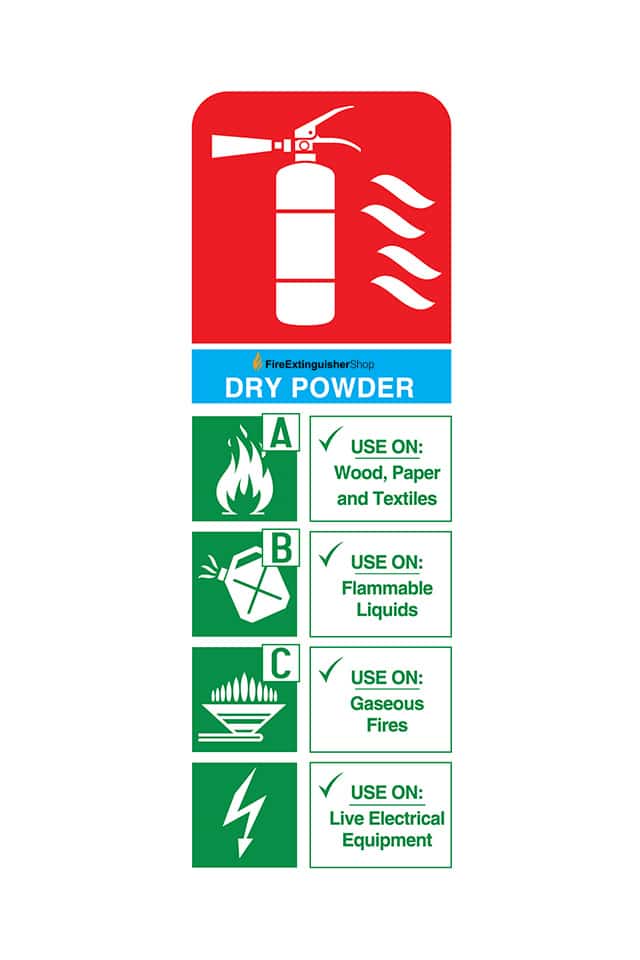
Dry Chemical Fire Extinguisher Class

Ever heard of a creative pursuit with a name so intriguing, it makes you do a double-take? Prepare to have your artistic sparks ignited (and then expertly contained!) by the surprisingly vibrant world of the Dry Chemical Fire Extinguisher Class! No, we're not talking about actual fire safety drills, but rather a wonderfully whimsical approach to art-making that champions dry, powdered mediums to "extinguish" creative blocks and "ignite" new ideas. It's a testament to how even the most unexpected names can hide a treasure trove of creative potential, inviting you to explore textures and colors in a truly unique way.
For artists, hobbyists, and casual learners alike, the "Dry Chemical Fire Extinguisher Class" offers a myriad of benefits. Firstly, it's often a surprisingly cleaner alternative to wet paints, making cleanup a breeze – a true paradox considering its name! You get immediate gratification with vibrant pigments and tactile textures. It's incredibly forgiving; mistakes can often be brushed away or covered with another layer of dry magic. This class encourages experimentation and a playful attitude, breaking down the intimidation factor often associated with traditional art forms. It's also remarkably accessible, often utilizing everyday materials you might already have around the house, turning the mundane into magnificent.
So, what kind of masterpieces can emerge from this fantastically named class? Imagine creating stunning powdered pigment landscapes, where soft hues blend seamlessly to depict rolling hills or dramatic sunsets. You could delve into abstract art, using various dry powders – from ground spices to colored sand – to build intricate, layered compositions that burst with energy. Think of detailed crushed pastel portraits, capturing delicate features with the subtle dust, or even whimsical collages where dried botanicals are adhered and then dusted with shimmery powders for an ethereal effect. The possibilities are as limitless as your imagination, allowing for everything from delicate realism to bold, experimental textures.
Must Read
Ready to try your hand at this captivating "dry chemical" art at home? It's easier than you think! Start by gathering simple materials: sturdy paper or cardstock as your base, a variety of powdered pigments (artist pastels or chalks ground into powder work wonderfully), and perhaps some inexpensive household items like fine sand, glitter, or even colorful spices like paprika or turmeric for interesting natural hues. You can apply these "chemicals" with soft brushes, cotton swabs, or even your fingers for a more tactile experience. Experiment with sprinkling, dusting, and layering. Remember to work in a well-ventilated area, and consider wearing a simple dust mask if working with very fine powders. Once your masterpiece is complete, a light spray of hairspray (from a distance!) can act as a simple fixative to keep your dry chemicals in place.
Ultimately, the joy of the "Dry Chemical Fire Extinguisher Class" lies in its ability to transform the ordinary into the extraordinary. It’s a delightful blend of playful experimentation and satisfying creation. There’s something incredibly therapeutic about working with these dry, tactile materials, watching as they transform a blank surface into something rich with color and texture. It's an invitation to embrace curiosity, get a little messy, and discover the sheer fun of extinguishing your creative inhibitions with a burst of dry, dazzling inspiration. Enjoy the unexpected!

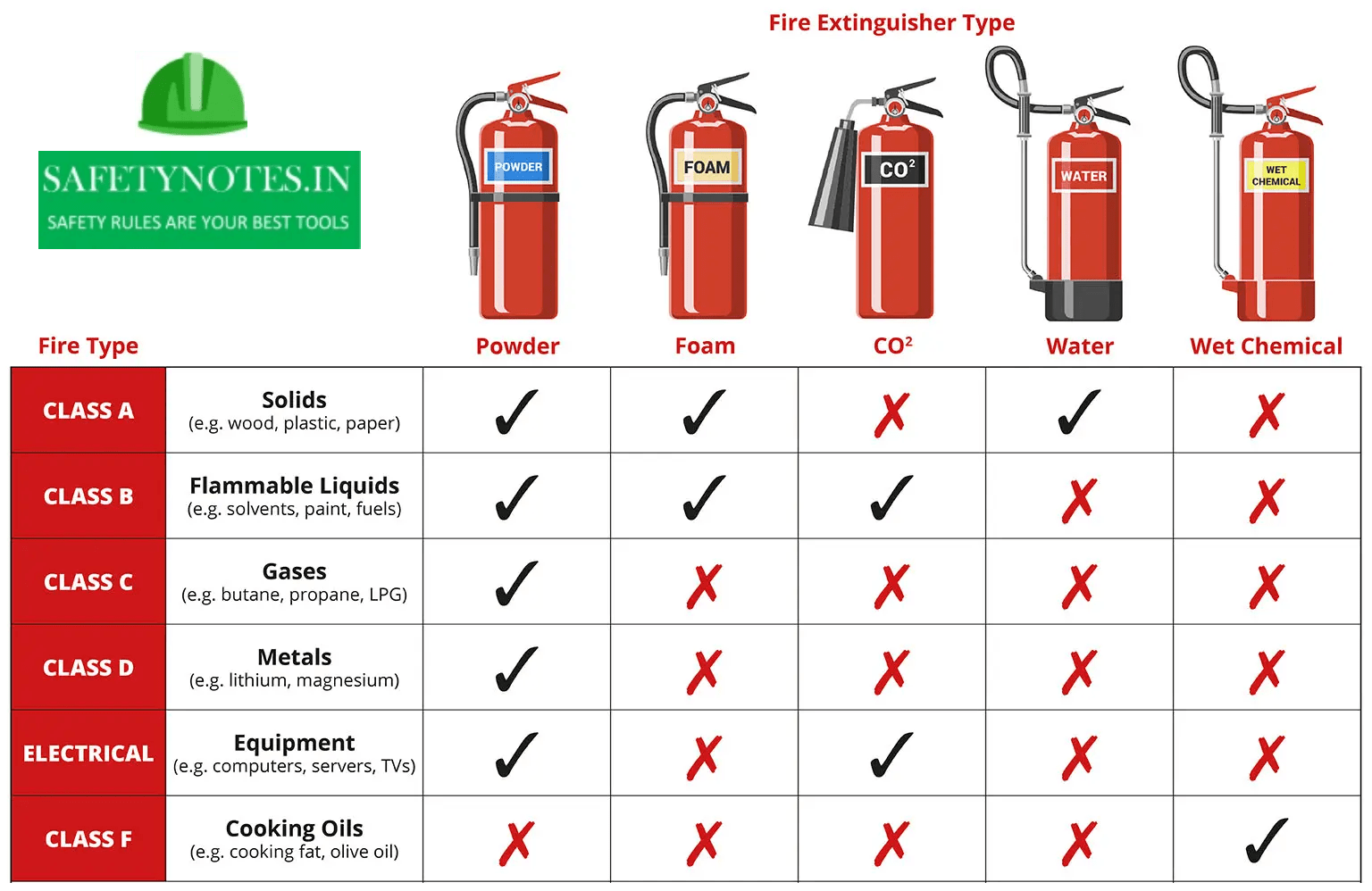
![Classes of Fire Extinguishers & Types of Fires [Guide]](https://rainbowrestores.com/us/en-us/rainbow-restoration/_assets/images/Blog/types-of-fire-extinguishers.webp)