
Doorbell Transformer Inside Chime Box

Ding-dong! That familiar sound is a daily part of our lives, isn't it? Someone's at the door, delivering a package, or just stopping by for a chat. We hear it, we respond to it, but how often do we really stop to think about the little electrical symphony happening behind the scenes?
Most of us know, vaguely, that doorbells run on electricity. And if you've ever delved a little deeper into home projects, you might have heard of a special component called a doorbell transformer.
Typically, this transformer is a small, unassuming metal box, often found tucked away in a basement, a utility closet, or near your electrical panel. Its job is super important: to take the powerful 120 volts of electricity from your home's main wiring and "step it down" to a much safer, doorbell-friendly 16 or 24 volts. Think of it as the bouncer for your doorbell, making sure the energy doesn't get too rowdy!
Must Read
But here's where things get a little spicy, a little bit intriguing, and frankly, quite cool. What if that doorbell transformer isn't hiding in some forgotten corner of your house? What if it's not a separate, standalone component at all?
The Unexpected Guest: Transformer Inside the Chime Box!
Imagine this: you've got a doorbell issue, or maybe you're just a curious soul (like us!). You decide to open up your doorbell's chime box – that decorative cover on your wall that makes the actual "ding-dong" sound. You expect to see some wires, maybe some plungers, and springs, right? The usual suspects.
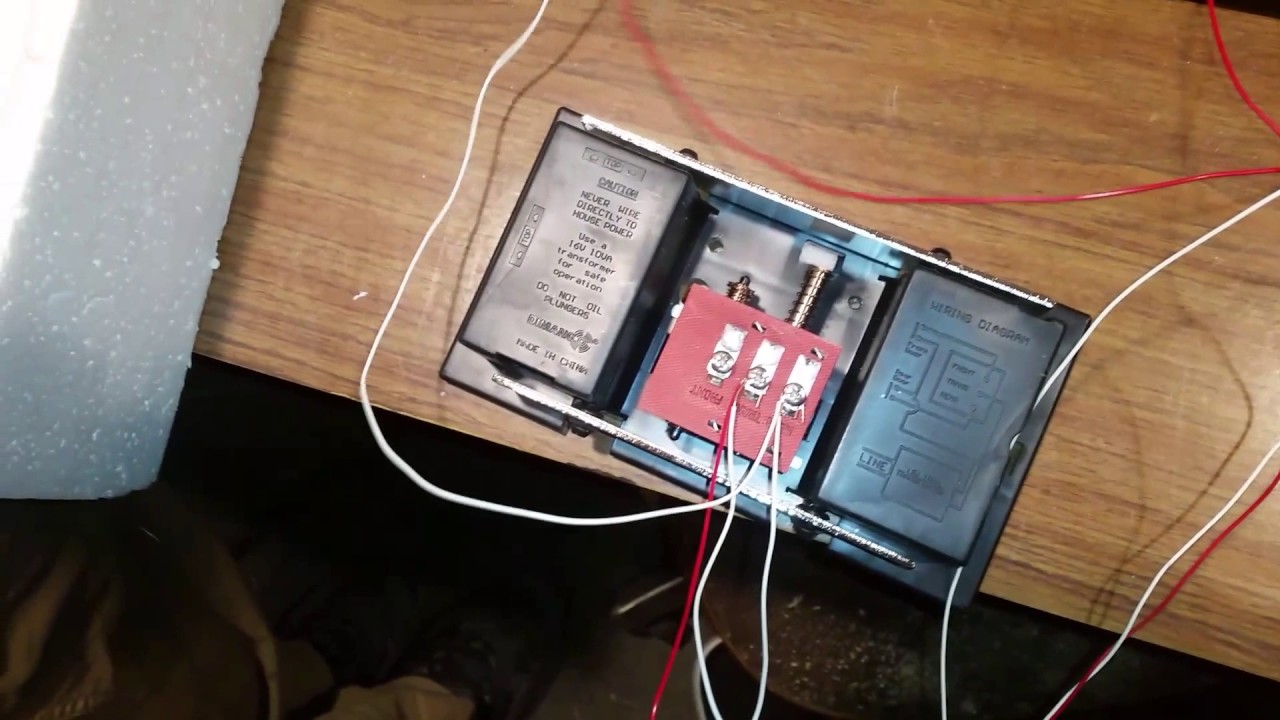
But then, you might just find something rather unexpected staring back at you. Nestled right there, within the very enclosure of the chime box, is the doorbell transformer itself! Mind blown, right? It's like finding a tiny, secret engine tucked away inside your car's glove compartment.

Why is This So Fascinating?
This isn't just a quirky design choice; it's actually pretty clever! It speaks to a certain elegance in engineering, a desire for integration and simplicity. Let's break down why discovering a transformer living inside your chime box is such a neat little revelation.
1. Space-Saving Superpowers
Think about it: no need to find an extra spot in your already crowded basement or garage. No hunting around for a transformer that might be obscured by insulation or forgotten behind a shelf. Everything you need for your doorbell's operation is consolidated into one tidy package. It's the ultimate example of a "two-in-one" solution, streamlining the installation process and freeing up valuable real estate elsewhere in your home.
It’s like packing a perfectly organized suitcase where every item has its designated spot, rather than having clothes spilling out all over the place. Neat, efficient, and surprisingly satisfying!
2. The Modern Touch
While traditional doorbell transformers have their place, finding one integrated into the chime box often points to a more modern or integrated doorbell system. These are often found in newer homes, or with upgraded, smarter doorbell setups that might include features like wireless connectivity or different chime melodies. It suggests a design philosophy that prioritizes sleekness and ease of installation.
It's like comparing an old-school desktop computer with separate tower, monitor, and speakers to a sleek all-in-one iMac. All the core functions are there, but they're packaged much more elegantly.
3. A Little Mystery Solved
For many, the doorbell transformer is one of those elusive components that you know exists but you might never actually see. It's the hidden wizard behind the curtain. When it's inside the chime box, it's like the wizard suddenly decided to peek out from behind the curtain and say hello!
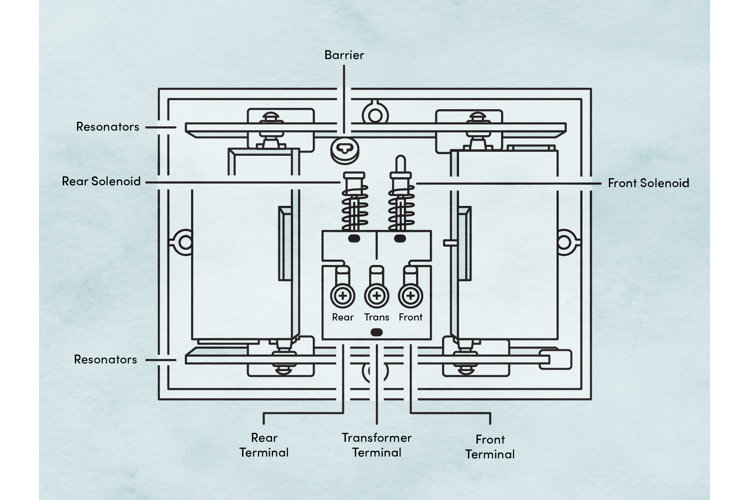
It provides an instant "aha!" moment, an immediate understanding of how that satisfying "ding-dong" actually happens. There's something wonderfully satisfying about lifting a cover and seeing the whole system laid out right in front of you. It turns something potentially abstract into something very tangible and understandable.
How Does This Little Dynamo Work? (Simplified!)
So, if it's inside, does it work differently? Not really! The fundamental principle remains the same. Your home's main power lines bring 120 volts of alternating current (AC) into the chime box. The transformer, acting like a tiny electrical magician, then converts that high voltage into a much lower, safer voltage (usually 16V or 24V AC).
This lower voltage is perfect for powering the delicate mechanisms of your chime and the small LED in your doorbell button without causing a short circuit or overheating. It's all about precision and safety, wrapped up in a compact design.

Think of it as your home's main water pipe being a powerful firehose, and the transformer is the nozzle that turns that mighty blast into a gentle, controlled stream perfect for watering your prize-winning petunias. Efficient, effective, and perfectly proportioned!
A Peek Into Everyday Engineering Wonders
The next time you hear your doorbell ring, take a moment to appreciate the humble yet ingenious technology at play. And if you're ever feeling curious, and safe to do so (always turn off power at the breaker first!), perhaps take a peek behind your chime cover. You might just discover one of these cleverly integrated transformers, a testament to the fact that even the most mundane household items can hold fascinating little secrets of engineering.
It’s a reminder that our homes are full of these small, elegant solutions, often hidden in plain sight, making our lives just a little bit smoother. Who knew a doorbell could be so endlessly interesting?