
Does Water Softening Salt Melt Ice
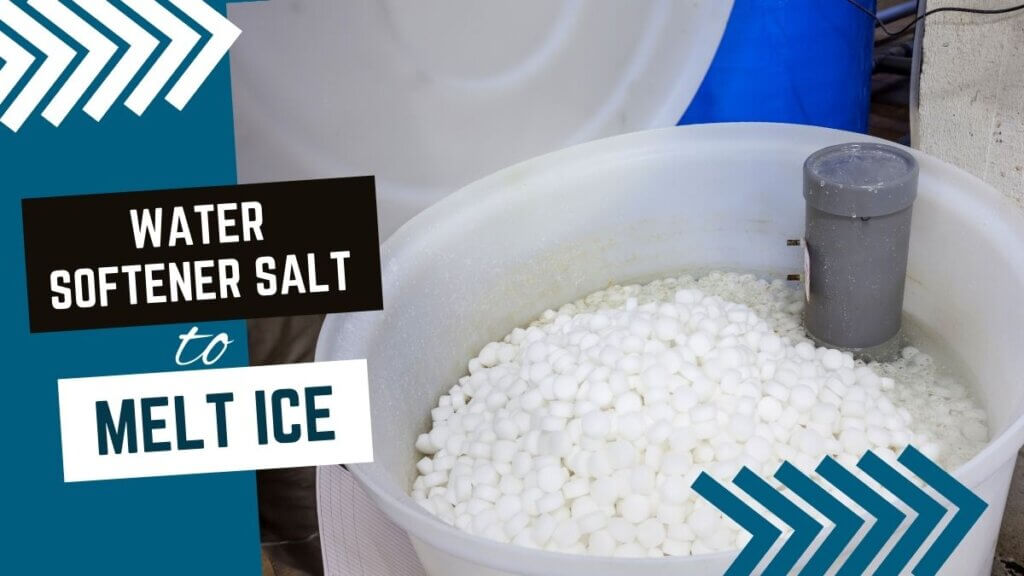
Hey there, curious minds! Ever wondered if that big bag of water softening salt sitting in your garage could double as an ice-melting superhero? I mean, salt is salt, right? Well, not quite! Let’s dive into this fascinating question and see what's what.
So, the big question: Can water softening salt melt ice? The short answer is... kind of. But there’s more to the story, as always. Think of it like comparing a chihuahua to a Great Dane. Both are dogs, both can bark, but they have vastly different approaches to, well, everything!
What's the Salt Story?
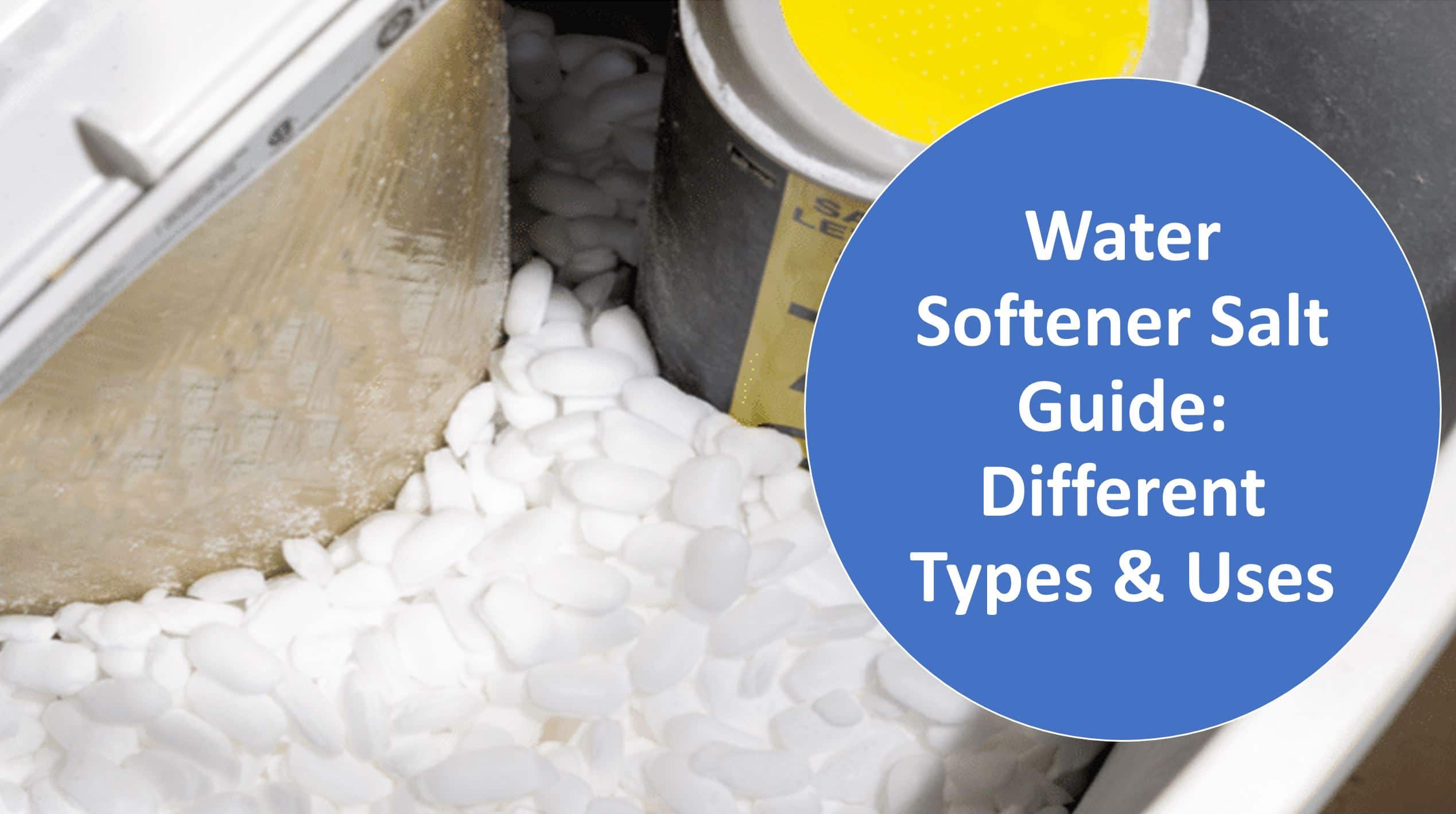
Let's break down what we're dealing with. Water softening salt, most commonly, is made up of sodium chloride (NaCl). Sound familiar? That's because table salt is also sodium chloride! However, water softening salt often comes in larger crystals, like pebbles, and might contain additives to prevent clumping in your water softener. These additives generally don't play a huge role in melting ice.
Must Read
Now, "ice melt," the stuff specifically designed to de-ice your driveway, also often contains sodium chloride. So where’s the difference? That's a fantastic question! Ice melt products frequently mix in other chemicals, like calcium chloride (CaCl2) or magnesium chloride (MgCl2). These other compounds are like the ice-melting Olympic athletes, while sodium chloride is more like a…well, a dedicated but slightly less efficient enthusiast.
Think of it this way: Sodium chloride is your average runner. It can finish the marathon, but it might take a while. Calcium chloride and magnesium chloride are like sprinters – they’re much faster and can power through tough conditions. They can also melt ice at lower temperatures than sodium chloride, which is a huge plus when the mercury really dips.

The Melting Magic
Okay, so how does salt actually melt ice anyway? It's all about a process called freezing point depression. Basically, when you dissolve salt in water (or in the thin layer of water on top of ice), it lowers the temperature at which the water freezes. This means the ice starts to melt even if the air temperature is below freezing.
Imagine you're throwing a party. Adding more salt to the ice is like inviting more guests. The more guests you have, the more energy they create, and the harder it is for the party to, well, freeze (metaphorically speaking, of course!).
But here's the catch: sodium chloride, the main ingredient in water softening salt, isn’t as effective at depressing the freezing point as some of the other salts found in dedicated ice melt products.
Here's the deal: NaCl (sodium chloride) is only effective down to about 15°F (-9°C). Anything colder than that, and it's basically just hanging out on your driveway, not really doing much. Calcium chloride and magnesium chloride, on the other hand, can keep on melting even when it’s way colder.
Water Softening Salt vs. Ice Melt: Head to Head
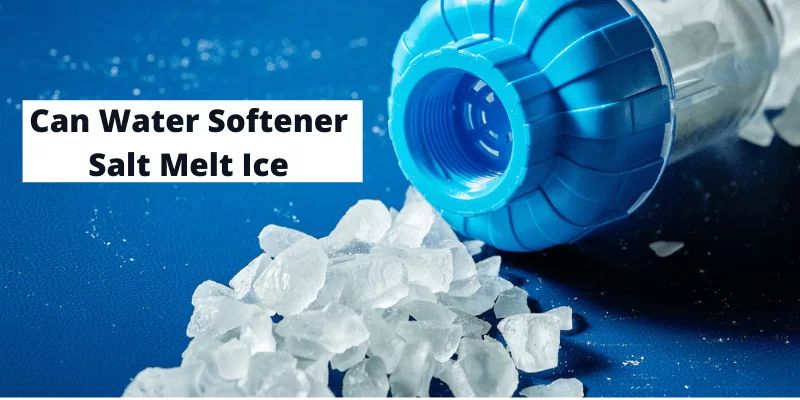
So, if you're in a pinch and have nothing else, can you use water softening salt to melt ice? Sure, you can. It will work, to some degree, especially if the temperature isn’t too low. But it's not the most efficient or effective solution. You'll likely need to use more of it, and it might take longer to work. Plus, those larger crystals in water softening salt may not spread as evenly as the finer granules of dedicated ice melt.
Think of it like this: Could you use a butter knife to cut a steak? Absolutely! But a steak knife will give you a much cleaner, easier cut. Same principle applies here.

Another thing to consider is potential environmental impact. While sodium chloride is generally considered less harmful than some other de-icing agents, using excessive amounts of any salt can damage plants, corrode metal, and contaminate groundwater. Always use de-icing products sparingly and follow recommended application guidelines.
The Takeaway?
Water softening salt can melt ice, but it's not the champion ice melter. Dedicated ice melt products containing calcium chloride or magnesium chloride are generally more effective, especially in colder temperatures. So, if you're serious about keeping your sidewalks and driveways ice-free, it's best to keep a bag of dedicated ice melt on hand. But in a pinch, that bag of water softening salt might just save the day (or at least make it a little less slippery!).
So, next time you see that bag of water softening salt, you can think of it as the reliable, if slightly less glamorous, cousin of the ice-melting superstars! And remember, a little knowledge goes a long way – especially when it comes to battling icy winter conditions.