
Does Water Softener Qualify For Energy Credit
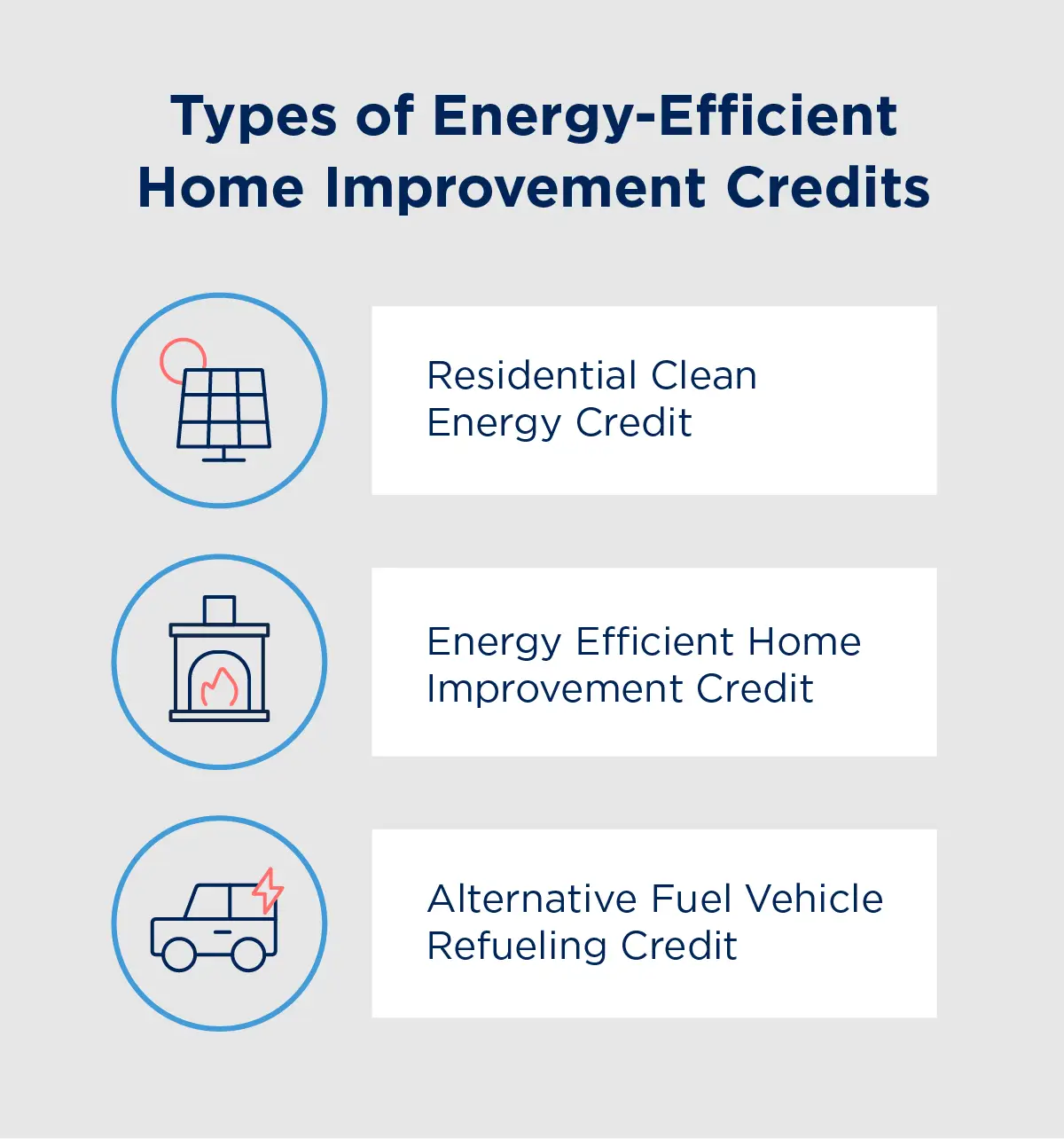
We all love a good deal. Especially when it comes to saving energy. Government energy credits make us feel like eco-champions. You know, for things like new windows or a super-efficient furnace. But what about the quiet hero in your basement? The unsung warrior battling mineral invaders? We're talking about your water softener.
Hold on a minute, you might say. A water softener? For an energy credit? Is this guy serious? Oh, I am absolutely serious. And maybe a little playful about it. Because I truly believe this household workhorse deserves a nod. Perhaps even a tax break for its tireless efforts.
The Silent Energy Saver
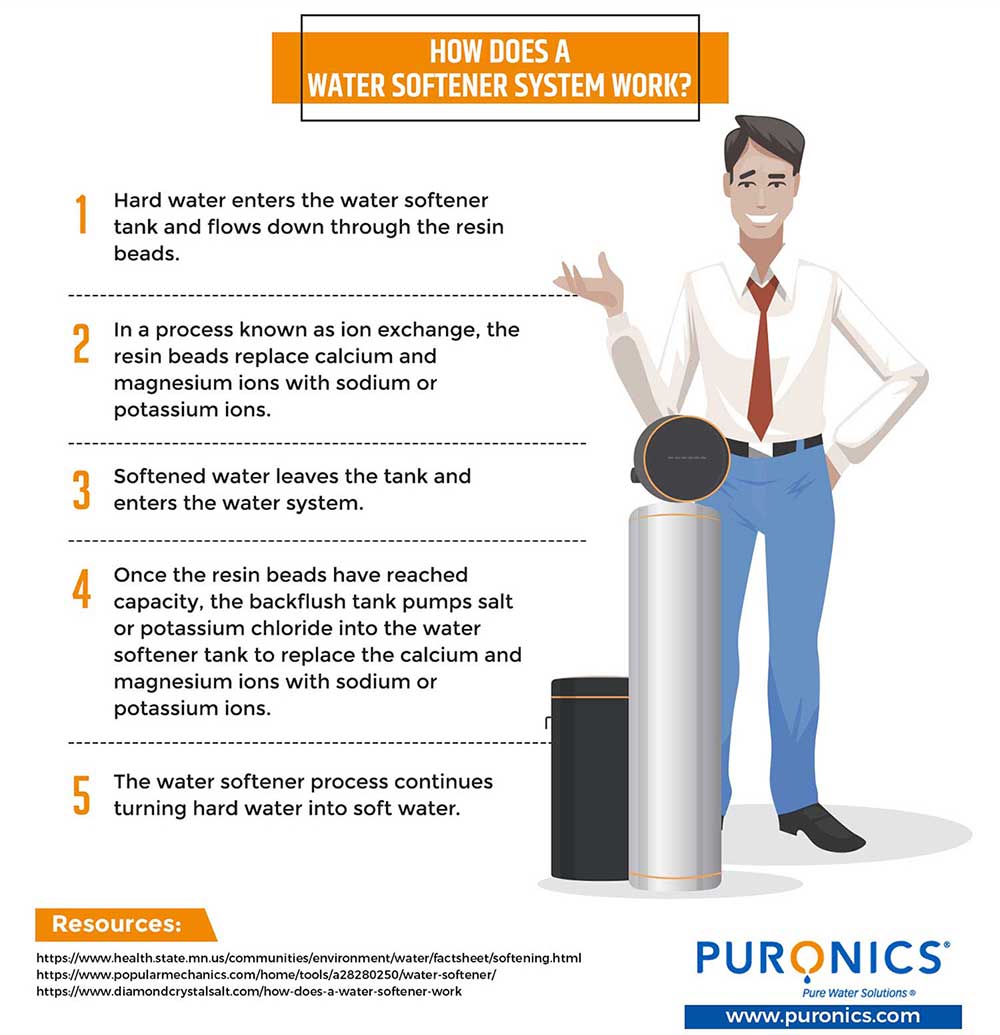
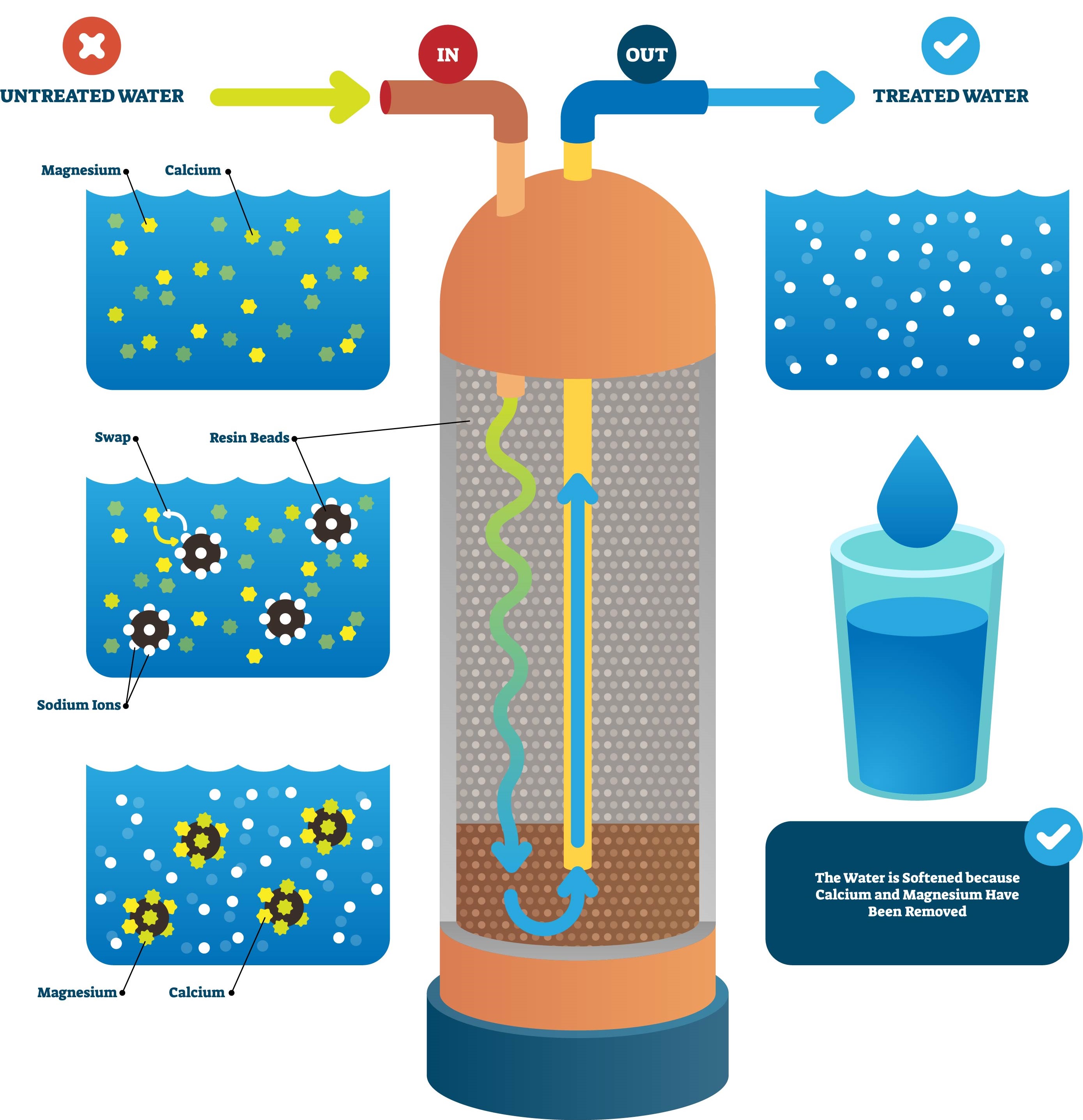
Think about your home's appliances. Your trusty water heater, for instance. It works hard every day. It heats water for your showers, your dishes, your laundry. Now, imagine it fighting a tiny, invisible war. A war against hard water minerals. These minerals – like calcium and magnesium – build up over time. They form a crusty layer. We call this limescale. It’s a villain, really.
Must Read
This limescale coats the inside of your water heater. It acts like a blanket. A very bad, insulating blanket. The heater has to work much harder. It needs more energy. Just to get your water hot. It's like trying to run a race wearing heavy boots. Your poor water heater is constantly in heavy boots. A water softener removes these minerals. It frees your heater. It lets it work smarter, not harder.
"Picture your water heater breathing a huge sigh of relief. That's the power of soft water."
And it's not just the water heater. Think about your dishwasher. Hard water leaves spots and film. It means you often run it longer. Or use extra rinses. All that extra effort means extra electricity. A water softener helps your dishwasher sparkle. It cleans better with less work. Less energy. Everyone wins.
Your washing machine suffers too. Hard water can make clothes feel stiff. Detergents don't work as well. You might need more soap. Or hotter water. Or even extra wash cycles. Again, more energy. Soft water makes your laundry routine smoother. Clothes come out cleaner. They feel softer. And your machine uses less energy.
Sudsy Savings and Longer Lives
Speaking of soap, here's another indirect, but very real, energy saving. With soft water, you need less of everything. Less laundry detergent. Less dish soap. Less shampoo and conditioner. Manufacturing these products takes energy. Transporting them takes energy. If we all use less, that's a collective energy saving. It's a ripple effect. A good one.
"Imagine a world where your soap lasts ages. That's the soft water dream!"
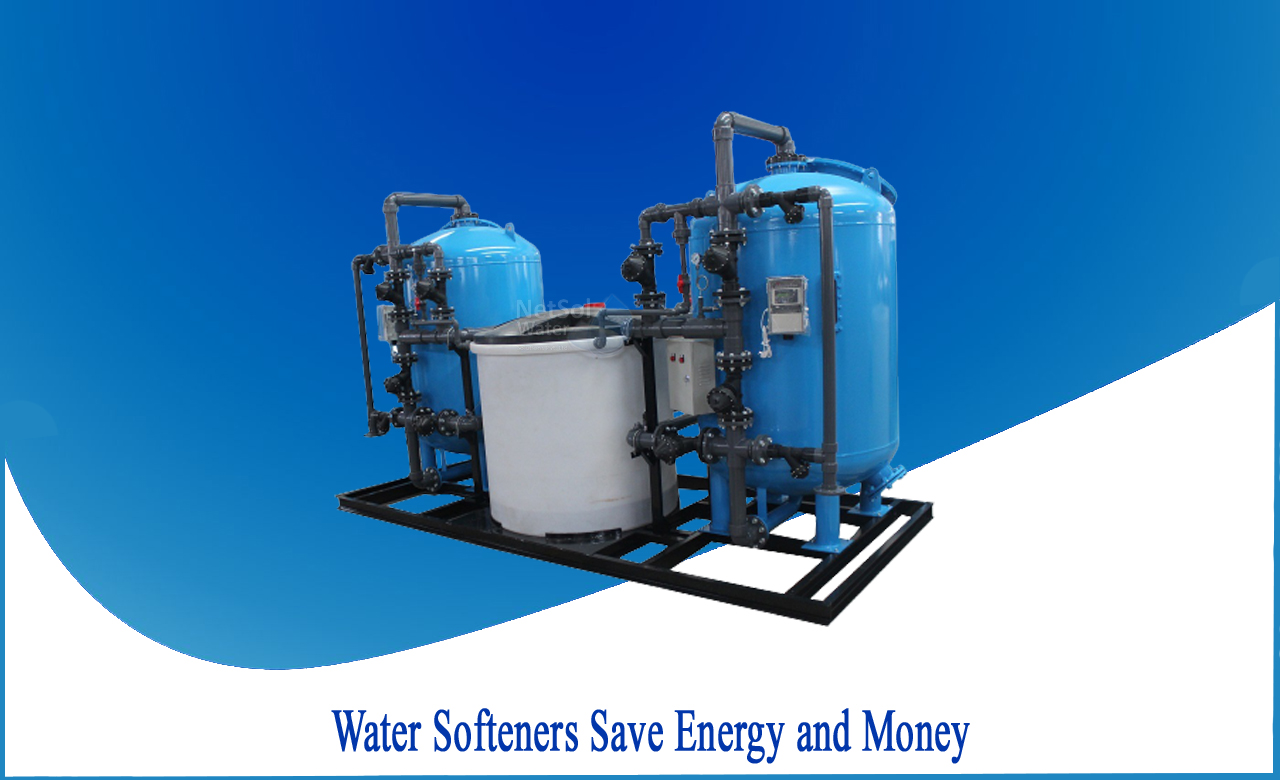
Then there's the lifespan of your appliances. Hard water is tough on them. It causes wear and tear. They break down faster. You replace them more often. Manufacturing new appliances takes a lot of energy. Think about all the raw materials. The factories. The shipping. If your appliances last longer, that's a huge energy saving overall. A water softener extends the life of your expensive appliances. It's a small investment for long-term gains. Both for your wallet and the planet.
Why the Snub?
So, we have a device. It actively reduces the energy consumption of your biggest energy-hog appliances. It prevents costly repairs. It saves you money on cleaning supplies. It even helps the environment by reducing appliance waste. Yet, it sits silently in the corner. Undocumented. Uncredited. Unsung.
Is it because it's not directly producing energy? Or conserving it in a super obvious, flashy way? It's more subtle. It's an enabler. It allows other things to be more efficient. Like a really good assistant. An assistant that should totally get a bonus.
So, next time you're thinking about energy credits, spare a thought for your water softener. It's doing more for your energy bill than you might realize. Maybe it's time we start a petition. Or at least give it a pat on the side. It deserves some recognition. It truly does.
"Let's give the humble water softener the energy credit it so richly earns!"
![What Appliances Qualify for Energy Tax Credit? [2024 Guide]](https://www.aireserv.com/us/en-us/aire-serv/_assets/images/three-steps-to-claim-tax-credit-for-energy-efficient-appliances.webp)