Does Washer And Dryer Use A Lot Of Electricity
Ever looked at your electricity bill and thought, "Ouch! Where did all this power go?" Chances are, a good chunk of it is thanks to our trusty household appliances. And right up there with the fridge and the AC, are our beloved washer and dryer. But do they really use a lot of electricity? Let's dive in and find out, without getting too technical or boring, promise!
The Washer: Not as Guilty as You Think?
First, the washing machine. Compared to its spinning, heated sibling, the dryer, the washer is actually relatively energy-efficient. Think of it this way: your washing machine mostly uses electricity to run the motor that spins the drum and pump water in and out. Modern, high-efficiency washers are especially good at this. They use less water and spin clothes more thoroughly, which means less work for the dryer later on. Hooray for teamwork!
Imagine filling up a bathtub. A standard top-load washer is like using half the tub, while a high-efficiency front-loader might only use a third! That's a significant difference in water and the energy needed to heat it (if you're using warm or hot water, of course).
Must Read
Bottom line: Your washing machine probably isn't the biggest energy hog in your house, but it's still worth considering how you use it. Washing full loads and using cold water whenever possible can make a noticeable difference over time. Think of it as a small change with a big impact – kind of like switching from sugary soda to sparkling water (okay, maybe not that drastic!).
The Dryer: The Real Energy Vampire?
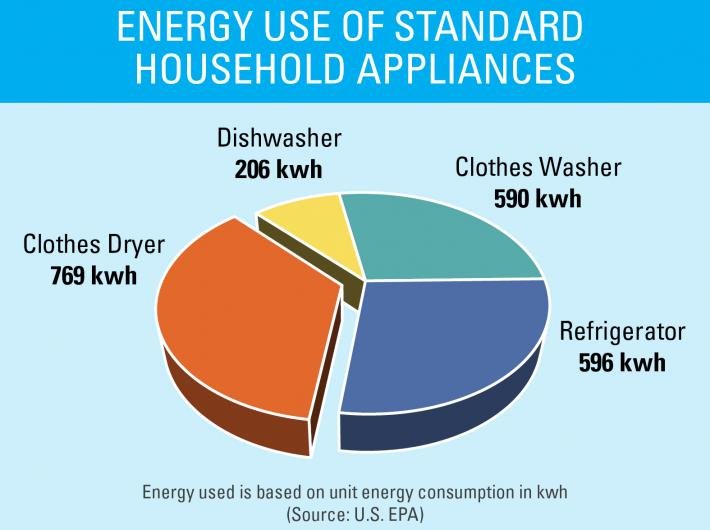
Now, let's talk about the dryer. This is where things get a little more... intense. Dryers use a lot of electricity to generate heat, which is why they're often the culprit behind higher energy bills. It's basically like having a small oven working overtime to dry your clothes. Consider this: an average dryer can use as much electricity in one cycle as your refrigerator uses in an entire day!
Think of it this way: Pretend you're baking cookies. You preheat the oven (uses energy), bake the cookies (uses energy), and then let the oven cool down (still uses a bit of energy). Your dryer is similar. It heats up, tumbles your clothes, and then slowly cools down – all while drawing power. And unlike your refrigerator, which runs intermittently to maintain a consistent temperature, your dryer is almost always running at full blast during a cycle.
So, why does the dryer suck up so much juice? It's all about the heat. Heating air to dry clothes requires a significant amount of energy. And older dryers, or those that aren't properly maintained, can be even less efficient. A clogged lint trap, for example, forces the dryer to work harder and longer, using even more electricity. Keep that lint trap clean!
Why Should You Care? (Beyond the Bill Shock)
Okay, so your washer and dryer use electricity. Big deal, right? Well, actually, it is a big deal! Here's why you should care:
- Your Wallet: The most obvious reason! Lowering your energy consumption means a smaller electricity bill each month. That's extra money for fun stuff, like pizza night, a new book, or maybe even a mini-vacation.
- The Environment: Electricity generation often involves burning fossil fuels, which contributes to air pollution and climate change. By using less electricity, you're reducing your carbon footprint and helping to protect the planet. Think of it as giving Mother Earth a little hug!
- Appliance Lifespan: Overworking your appliances can shorten their lifespan. By using them efficiently, you're helping them last longer, saving you money on replacements in the long run.
Easy Ways to Save Energy (and Money!)
So, what can you do to minimize your washer and dryer's energy consumption? Here are a few simple tips:
- Wash Full Loads: Avoid running small loads whenever possible. Wait until you have a full load to maximize efficiency.
- Use Cold Water: Most detergents work just as well in cold water, and you'll save a significant amount of energy by not heating the water.
- Clean the Lint Trap: This is crucial! A clogged lint trap restricts airflow and forces the dryer to work harder. Clean it after every load.
- Air Dry When Possible: On sunny days, hang your clothes outside or use a drying rack. Your clothes will smell fresher, and you'll save energy.
- Shorten Drying Time: Consider using dryer balls to help separate clothes and improve airflow. They can reduce drying time and soften fabrics naturally.
- Upgrade to Energy-Efficient Models: When it's time to replace your washer and dryer, look for Energy Star-certified models. They're designed to use less energy and water.
In conclusion, while your washing machine isn't a huge energy guzzler, your dryer definitely has the potential to run up your electricity bill. But by making a few small changes in your laundry routine, you can significantly reduce your energy consumption and save money while doing your part for the environment. Now go forth and conquer that laundry pile... responsibly!