
Does The Washing Machine Use A Lot Of Electricity
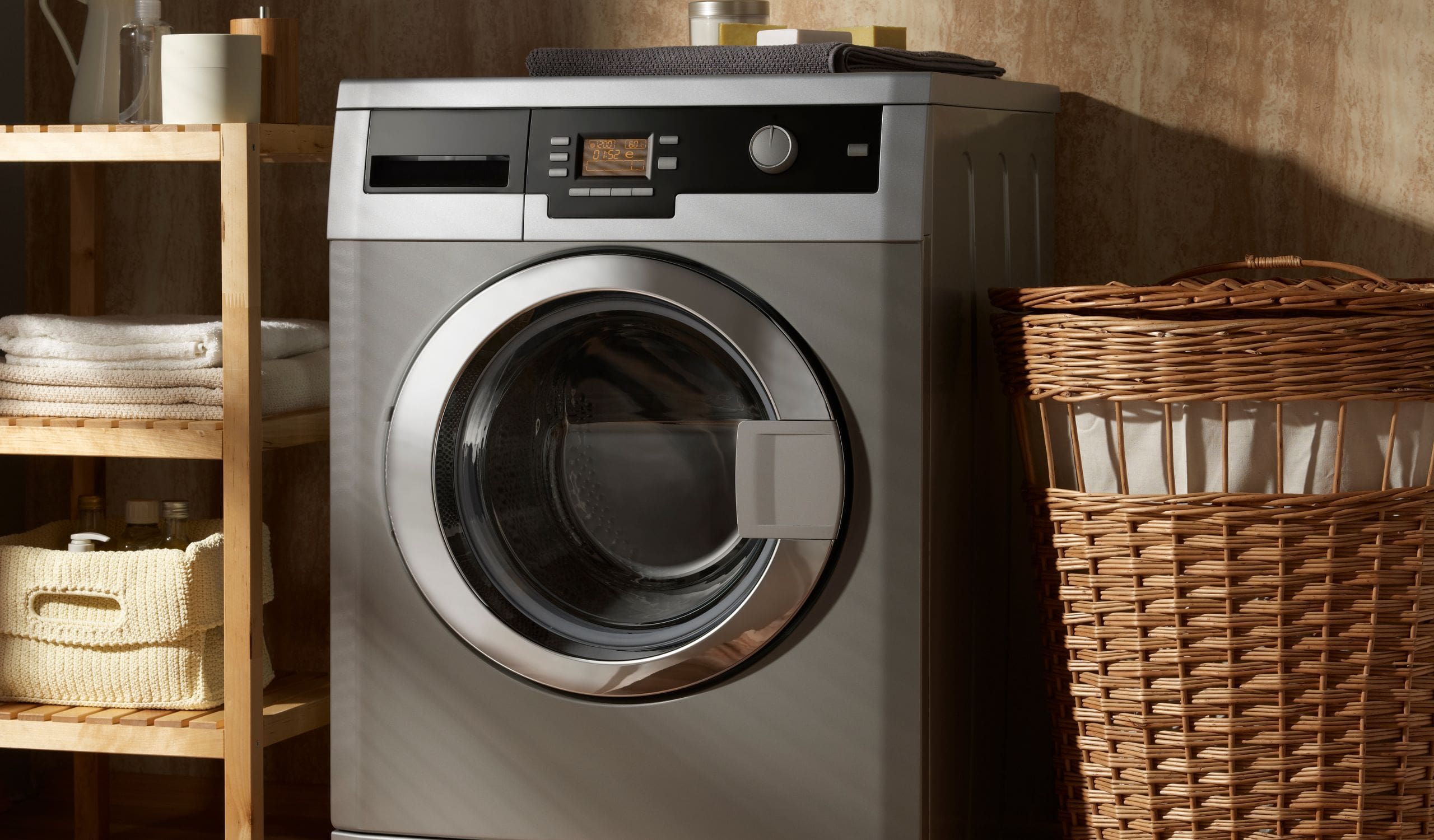
Hey there, laundry enthusiast! Ever stare at your washing machine, mid-cycle, and wonder, "Is this thing secretly plotting against my electricity bill?" You're not alone! It's a question that plagues us all, right up there with "Where do all the socks really go?"
The Watt's Up With Washing Machines
So, does the washing machine suck down electricity like a thirsty vampire? The short answer is: it depends. (Isn't that the answer to everything in life?)
Think of your washing machine like a car. A tiny electric car sips electricity, while a gas-guzzling Hummer... well, you get the idea. Newer, energy-efficient washing machines are designed to be much kinder to your wallet and the planet than older models. Plus, there's the type of wash you're doing. Cold water washes tend to use less electricity as the machine doesn't have to heat the water up.
Must Read
Older models? They can be a bit more electricity-hungry, especially if they're top-loaders. Those agitators require a bit more power to do their spinning magic. But hey, at least they're getting the job done (hopefully!).
Decoding the Energy Label: Your New Best Friend
Alright, ready to turn detective? Look for the energy label on your washing machine (it's usually a sticker). It'll tell you the estimated energy consumption per year. This is your secret weapon! Compare the energy labels of different models to see which one is the most energy-efficient. It’s like online dating, but for appliances and your electricity bill.
Think of it as your washing machine's dating profile: is it eco-conscious and frugal, or a high-maintenance energy hog? (Okay, maybe that's taking the analogy a bit too far.)
Hot vs. Cold: The Great Wash-Off
Temperature matters! Heating water is a major energy drain. Most of the washing machine's electricity usage is in heating the water. So, unless you're battling a biohazard (or your kid has been playing in mud puddles again), consider using cold water. Most modern detergents are designed to work brilliantly in cold water, anyway. You'll save money, and your clothes will thank you (especially those vibrant colors!).
Consider this your permission slip to embrace the chill. Go cold, save some gold (and maybe even save the world a little bit!).
Frequency: Wash Wisely, My Friend
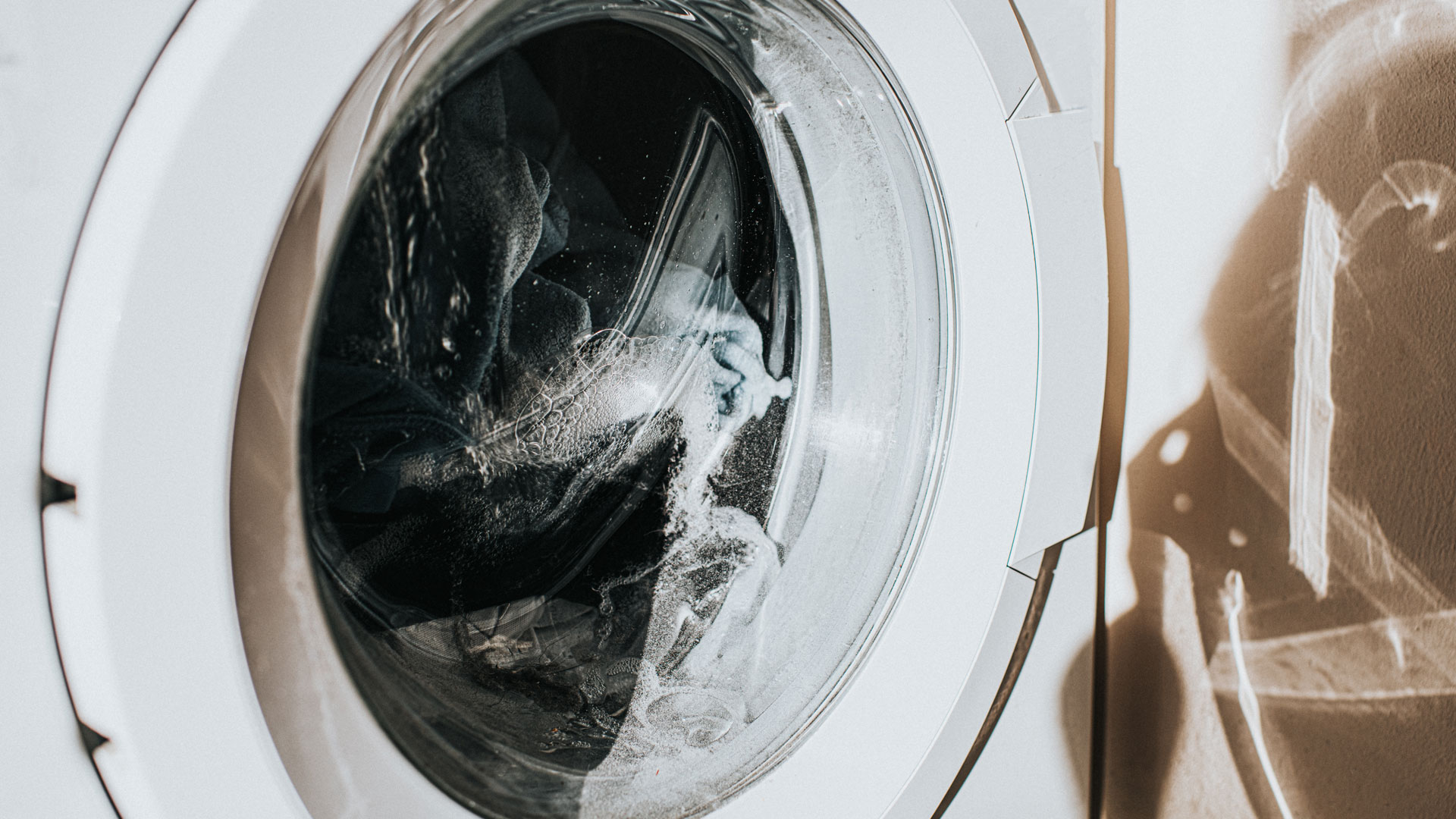
How often you wash also plays a role. A washing machine uses more energy when the water is cold at the start of the cycle. If you only wash one load a week, your washing machine is going to have to work harder than if you were to do one load a day.
Tips and Tricks to Tame the Energy Beast
Okay, here are some super-easy tips to keep your washing machine from turning into a power-guzzling monster:
- Wash full loads: Don't run the machine for just a few socks. Wait until you have a full load (but don't overstuff it, or it won't clean properly).
- Use cold water: Seriously, it's a game-changer.
- Choose the right cycle: Shorter, less intensive cycles use less energy.
- Clean the lint filter: A clogged filter makes the machine work harder. (Plus, it's just good hygiene!)
- Upgrade your machine: If your washing machine is older than your grandma's favorite rocking chair, it might be time for an upgrade.
Don't Sweat It (Too Much!)
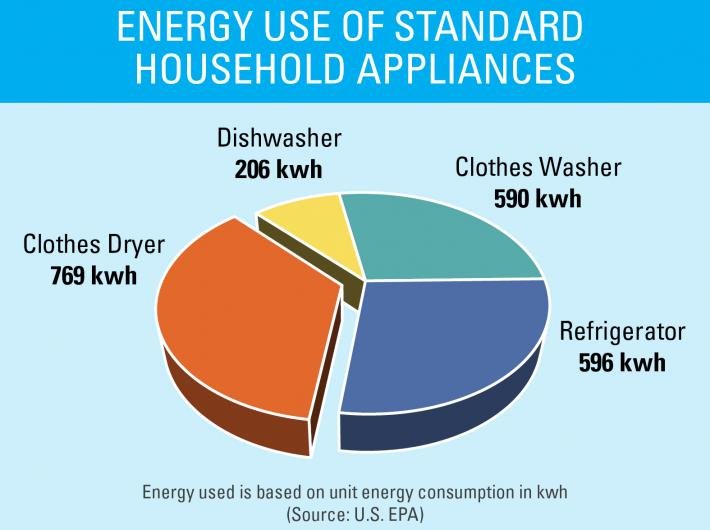
Ultimately, while your washing machine does use electricity, it's probably not the biggest energy hog in your house (that honor might belong to your air conditioner or refrigerator). By making a few small changes to your washing habits, you can significantly reduce its energy consumption without sacrificing clean clothes.
And honestly? Don't stress too much. A little laundry shouldn't ruin your day. Just be mindful, make smart choices, and remember to occasionally treat yourself to a clean-laundry-smelling hug. You deserve it!
So, go forth and conquer that laundry pile! And remember, even if your washing machine is a little bit thirsty, you've got the power to keep it under control. You’re a laundry ninja!
