Does The Dishwasher Use A Lot Of Electricity
Okay, let's be honest. We all secretly suspect our dishwasher is a tiny, hungry gremlin, silently devouring electricity while we're binge-watching the latest season of, well, you know. It sits there, humming its little tune, and we can’t help but wonder: is this metallic monster running up the electric bill faster than a teenager at a buffet?
The Dishwasher Confession: It’s Not THAT Bad!
The truth might surprise you. Your dishwasher, that magnificent metal box of cleanliness, isn't actually the energy hog you might think it is. Sure, it uses electricity, just like your fridge, your TV, and your toaster oven, but compared to some other appliances, it's relatively tame. Think of it more like a slightly mischievous kitten than a ravenous, energy-guzzling beast.
Think about it: how often do you actually run it? Maybe once a day? A few times a week? Contrast that with your refrigerator, which is working 24/7 to keep your leftovers from staging a bacterial revolt. Or your TV, which might be on for hours while you catch up on the news (or, let's be real, re-watch The Office for the tenth time).
Must Read
A typical dishwasher uses somewhere between 1.2 and 1.5 kWh per cycle. Now, I know what you’re thinking: “kWh? What in the world is a kWh?” Don’t worry about getting bogged down in the techy stuff. Just think of it as a unit of energy, like a calorie for your appliances. To put that in perspective, running your dishwasher costs about the same as running your window AC for a couple of hours. Not earth-shattering, right?
But Wait! There's More to the Story!
Here’s where it gets interesting. Remember those sitcom scenes where a character is arguing with another about whether to load the dishwasher "properly?" Turns out, how you use your dishwasher can make a huge difference. A half-empty dishwasher is basically a wasted opportunity, and a waste of electricity. Think of it as sending a bus on a route with only two passengers. Efficient? Nope.

So, fill it up! Play a little "dishwasher Tetris" and arrange those plates, bowls, and cups with care. Make sure everything is strategically placed so the water can reach every surface. You’ll be surprised how much you can fit in there. This not only saves energy but also means you have to wash dishes less often, freeing up time for more important things, like perfecting your TikTok dance moves or finally finishing that book you started three years ago.
The Pre-Rinse Debate: A Divisive Issue
Ah, the pre-rinse. Some people swear by it, convinced that it's the only way to ensure sparkling clean dishes. Others scoff, claiming it's a complete waste of time, water, and energy. The truth? Modern dishwashers are designed to handle a bit of food residue. Scraping off the big chunks is a good idea, but obsessively rinsing every plate until it's practically gleaming? Probably overkill. Give your dishwasher some credit; it's tougher than you think.
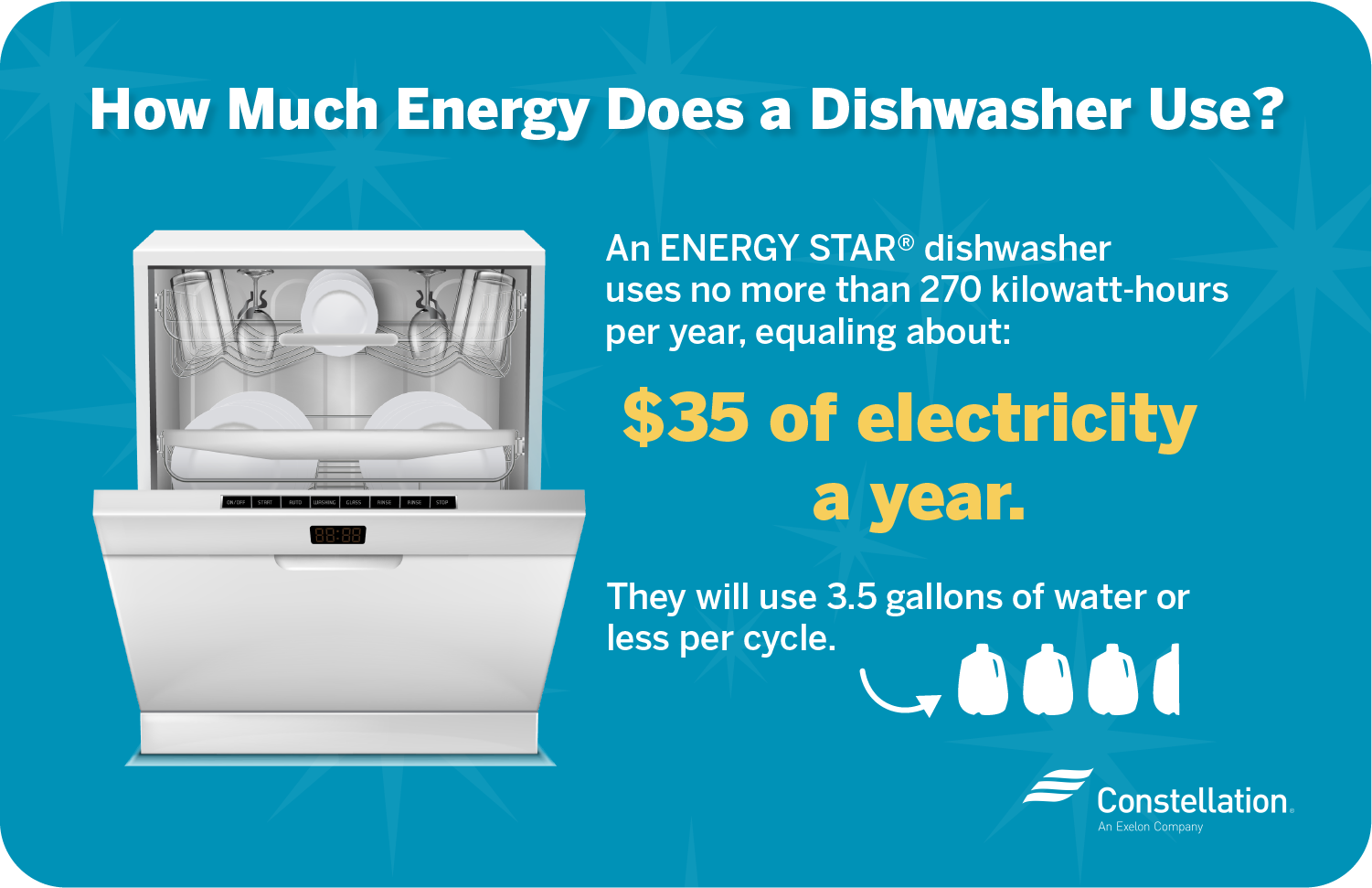
The Energy Star label is your friend. Look for dishwashers with this label; they're designed to be more efficient. They use less water and electricity, saving you money and reducing your environmental impact. It’s like choosing the hybrid car over the gas-guzzling SUV. You’re being kind to your wallet and the planet.
A Final Thought: The Joy of Clean Dishes
In the grand scheme of things, your dishwasher isn't a major energy villain. It's a hardworking helper that saves you time and effort. And let's face it, there's something incredibly satisfying about unloading a dishwasher full of sparkling clean dishes. It's like a small victory in the daily battle against chaos and grime. So, load it up, press start, and enjoy the feeling of knowing you're one step closer to a clean and organized kitchen. And maybe, just maybe, reward yourself with a small piece of chocolate. You deserve it!
Plus, think of all the hot water you save compared to hand-washing! That's a win!