Does Stranded Or Solid Wire Carry More Current
Ever wonder about the intricate network of wires powering our lives? From the simplest lamp to the most complex electronic device, electricity flows through these silent pathways, often unnoticed until something goes wrong. We rely on these systems for everything – light, communication, entertainment, and even keeping our food cold! Understanding the basics of electrical wiring, even at a superficial level, can empower you to make informed decisions and appreciate the technology that surrounds us.
One fundamental question that often pops up is: which type of wire, stranded or solid, can carry more current? The answer, surprisingly, isn't as straightforward as you might think. While many assume stranded wire, due to its flexibility and common use in extension cords and internal wiring of devices, automatically handles more amperage, the reality is more nuanced. It all comes down to the material, gauge (thickness), and operating conditions.
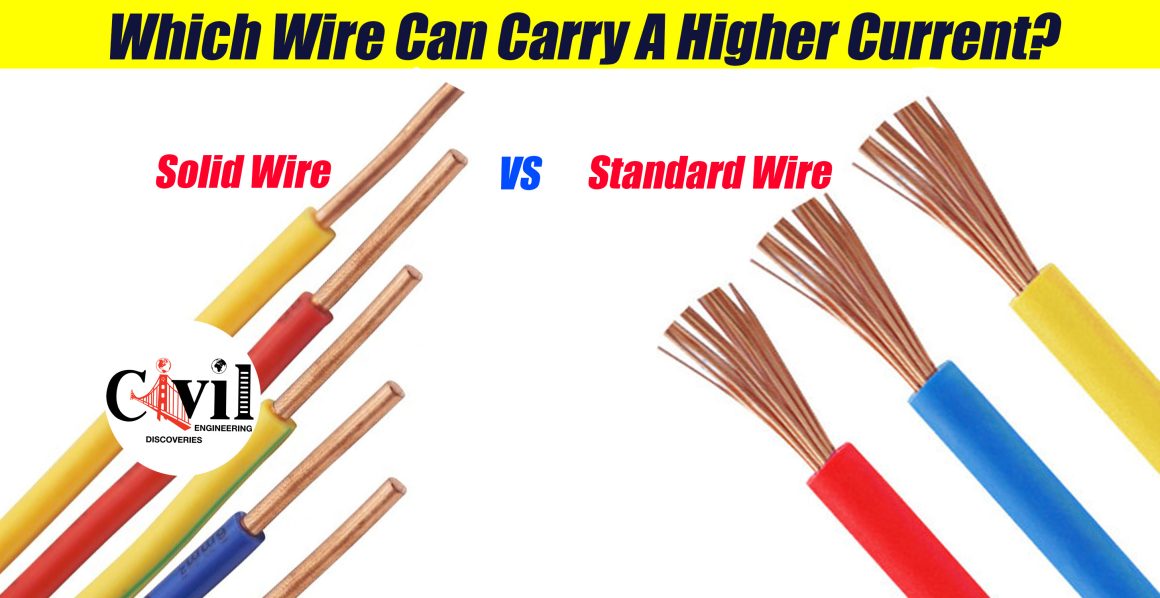
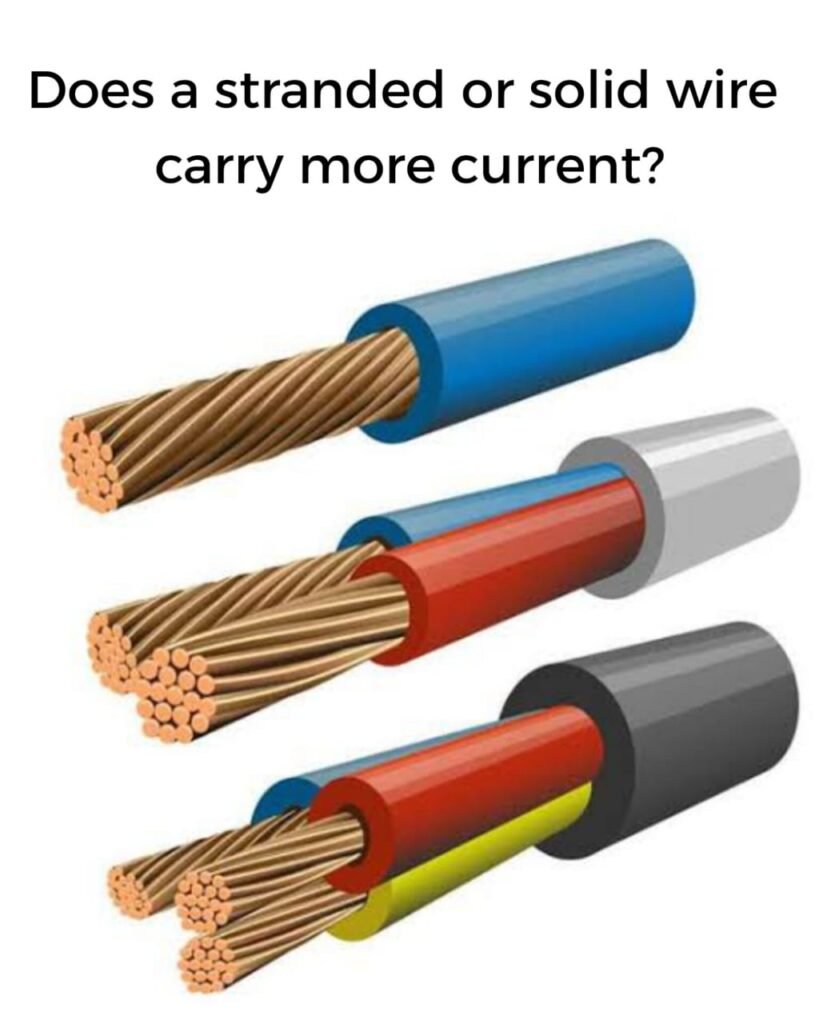
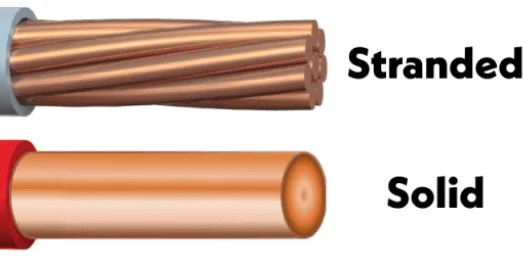
Let's break it down. Solid wire, typically made of a single, solid piece of copper or aluminum, is often found in residential wiring inside walls. Its rigidity makes it ideal for fixed installations where it won't be subjected to constant bending. Think of the wiring behind your light switches and outlets. Stranded wire, on the other hand, consists of multiple thin strands bundled together. This construction gives it superior flexibility, making it perfect for applications where frequent movement is expected, such as extension cords, appliance power cords, and automotive wiring.
Must Read
The current-carrying capacity of a wire, or its ampacity, is primarily determined by its gauge. A thicker wire (lower gauge number) can carry more current than a thinner wire (higher gauge number), regardless of whether it's solid or stranded. This is because a thicker wire has less resistance, allowing electrons to flow more freely. So, a 12-gauge solid wire and a 12-gauge stranded wire made of the same material will generally have very similar ampacity ratings under the same conditions. The slight difference usually goes to the stranded wire, but it is negligible.
However, stranded wire can have a slight advantage in some situations. The increased surface area of the individual strands allows for potentially better heat dissipation, especially with a phenomenon called "skin effect" at higher frequencies. This effect causes current to flow primarily near the surface of the conductor. However, in most household applications running on alternating current (AC) at 60 Hz, this difference is practically negligible. The key takeaway is that the gauge is the primary factor determining ampacity.
To enjoy electrical systems more effectively, prioritize safety. Always consult with a qualified electrician for any electrical work beyond simple tasks like replacing a light bulb. When choosing extension cords or wiring for projects, select the correct gauge wire for the intended load. Overloading circuits is a serious fire hazard. Regularly inspect cords and outlets for damage and replace them promptly. Understanding the basics of wire types and ampacity can empower you to create a safer and more efficient electrical environment at home.
So, next time you plug in your phone or flip a light switch, take a moment to appreciate the intricate network of wires that makes it all possible. And remember, whether it's solid or stranded, the right wire for the job is the one with the appropriate gauge and ampacity for the intended application.