
Does Running Water Keep Pipes From Freezing
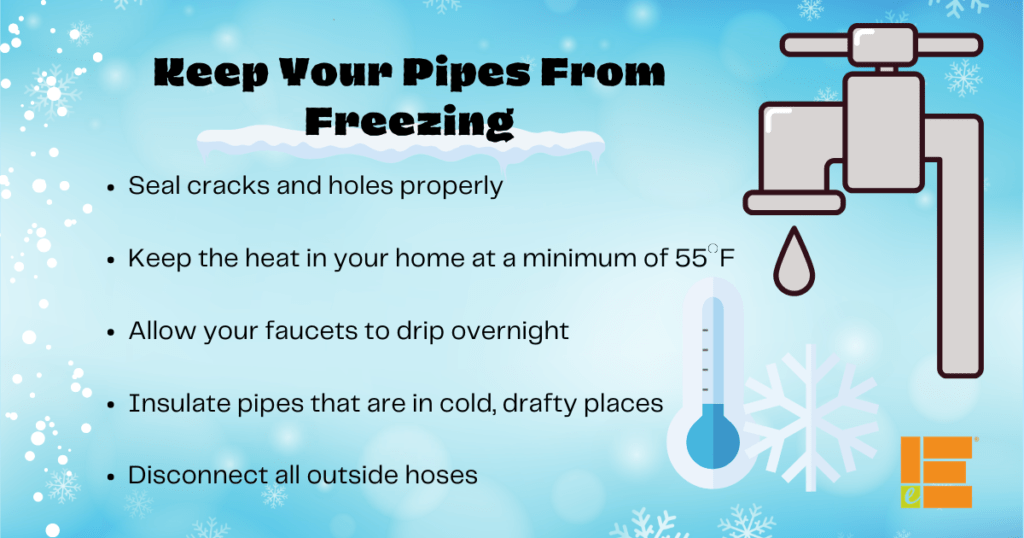
There's something inherently soothing about the sound of running water, isn't there? Whether it's the gentle trickle of a garden fountain, the rhythmic rush of a mountain stream, or the dependable gurgle from your kitchen faucet, water in motion just feels...right. But beyond the aesthetic appeal, the simple act of letting your tap run during a cold snap is a surprisingly practical trick. The question is: does running water actually keep pipes from freezing?
The answer, thankfully, is generally yes! The benefit here is preventing potentially catastrophic and expensive damage to your plumbing. Frozen pipes can expand, and that expansion often leads to bursting. A burst pipe can unleash a torrent of water into your home, causing significant flooding and structural damage. Think ruined floors, warped walls, and a whole lot of stress. By keeping the water moving, you're essentially preventing it from reaching the point where it can freeze solid and cause such havoc.
The application of this "trick" is common in regions that experience frigid winter temperatures. It's particularly useful for pipes located in unheated areas of your home, such as basements, crawl spaces, or exterior walls. You might see neighbors letting a faucet drip, or hear about people opening cabinets under their sinks to allow warmer air to circulate around the pipes. These are all variations on the same theme: preventing frozen pipes through the magic of moving water.
Must Read
But how can you make this trick more effective? Here are a few practical tips to ensure your pipes stay safe and sound this winter:
First, don't go overboard. You don't need a full-blown waterfall gushing from your faucet! A slow, steady drip is usually sufficient. The key is to maintain a constant flow, however minimal. Avoid a stop-start drip.
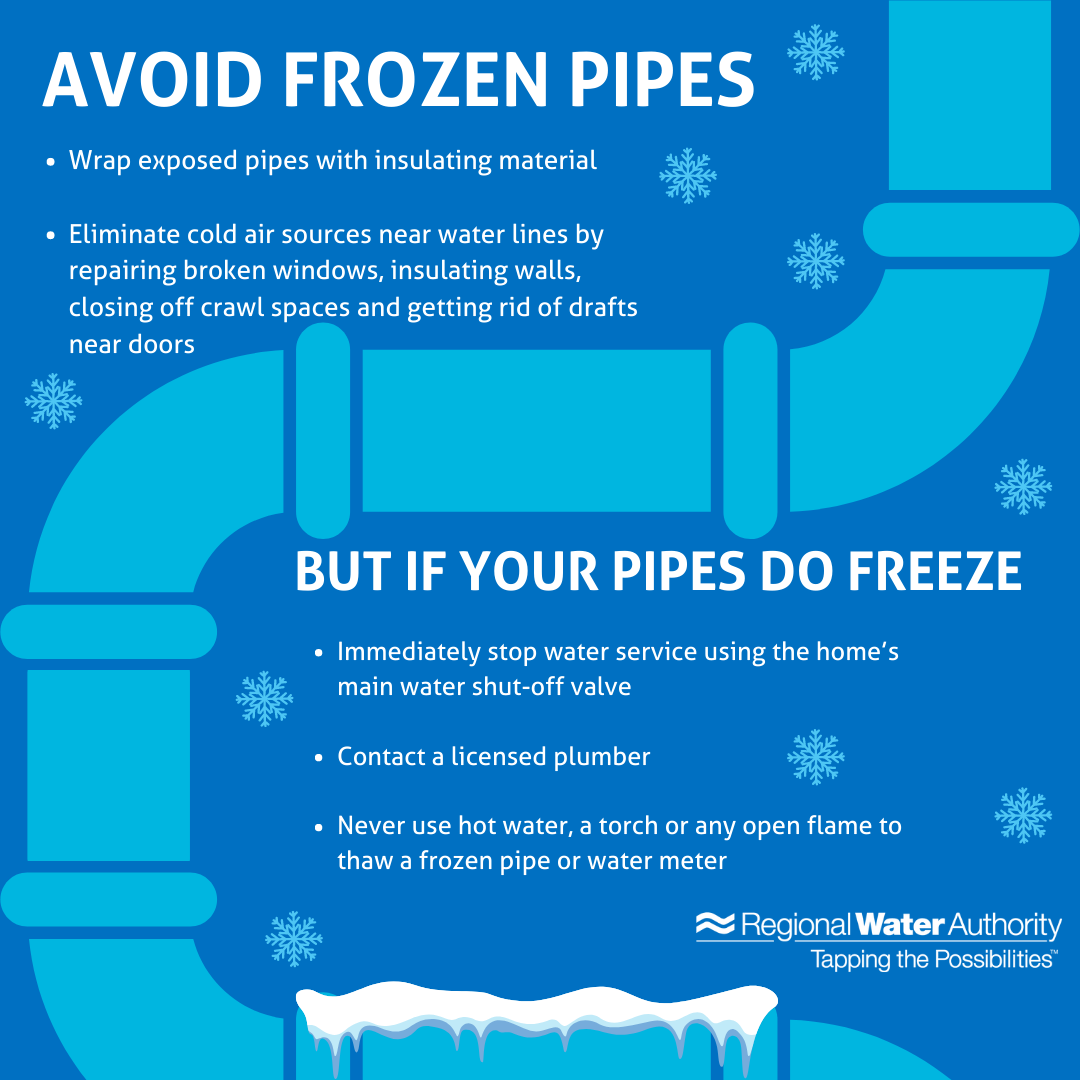
Second, focus on the most vulnerable pipes. If you know you have a pipe that's prone to freezing (perhaps it's on an exterior wall with minimal insulation), that's the one to target. Consider insulating exposed pipes with pipe insulation sleeves, which are readily available at most hardware stores. Insulation is a powerful preventative measure.
Third, open cabinet doors under sinks, especially in kitchens and bathrooms on exterior walls. This allows warmer air to circulate around the pipes, further reducing the risk of freezing.
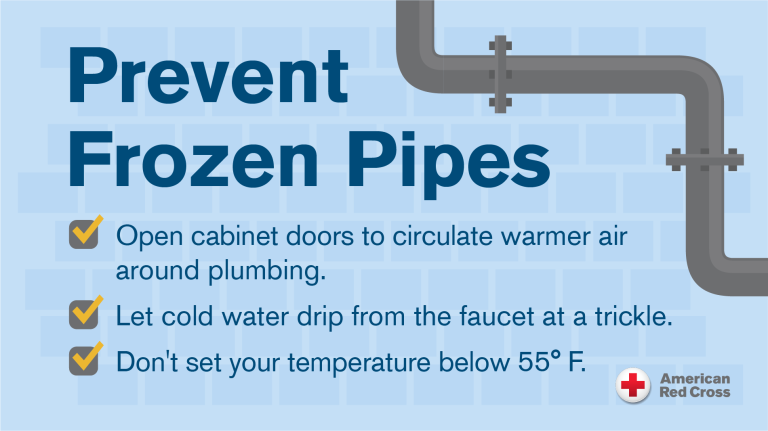
Fourth, in especially cold weather, consider leaving more than one faucet dripping, especially if your home is older and has less efficient insulation.
Finally, don't forget about your outdoor faucets! Turn off the water supply to them and drain the pipes completely. Frost-free faucets are designed to prevent freezing, but even they can fail under extreme conditions. A little extra precaution goes a long way.
So, the next time you hear a weather forecast predicting freezing temperatures, remember the power of the drip. It's a simple, cost-effective way to protect your home from the potentially devastating effects of frozen pipes. Stay warm, and keep those pipes flowing!

