
Does Running Ac In Car Use Gas
Okay, let’s set the scene. It’s a sweltering summer day, right? The kind where your shirt starts sticking to you the moment you step outside. You finally make it to your car, which, let’s be honest, has become a personal sauna on wheels. What’s the first thing you do? Yep, you blast that AC. Full throttle. Maximum chill. Absolute heaven, right?
That glorious gust of arctic air hits you, and for a blissful moment, all is well in the world. But then, a little thought creeps in. A tiny, nagging whisper in the back of your mind. You start to wonder, as you watch that fuel gauge ever-so-slowly inch downwards, “Is this icy comfort costing me more than just a good mood?”
The Big Question (Spoiler Alert: Yes)
So, let’s just cut to the chase, shall we? You’re sitting there, probably sipping your actual coffee, wondering if that sweet, sweet AC is a gas guzzler. And the short, unvarnished answer is: yes, it absolutely does use gas. There, I said it! No beating around the bush. It’s not magic cool air, alas.
Must Read
Now, before you panic and decide to just sweat it out from now on (please don’t, for everyone’s sake), let’s unpack why and how much. Because it’s not quite as simple as "AC on = empty tank." It’s more nuanced, like deciding if you want an extra shot in your latte. Sometimes you do, sometimes you don’t, but it always adds a little something to the cost, right?
But How Does It Sip That Sweet Nectar?
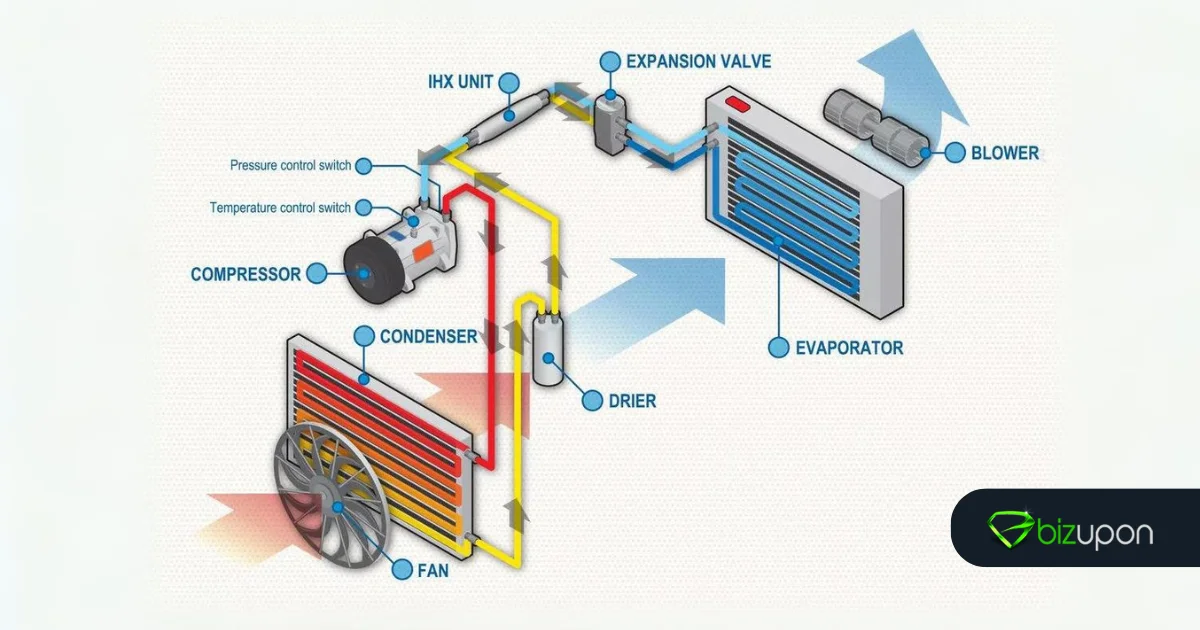
Think about it like this: your car’s engine is the main powerhouse, the heart of the operation. It’s what makes everything go – the wheels, the radio, those fancy power windows. And yes, it also powers your air conditioning system. Specifically, there’s a component called the AC compressor.
This compressor is the real workhorse of your AC. It’s driven by a belt connected to the engine. When you switch on your AC, the engine has to work a little bit harder to turn that compressor. The compressor then takes a refrigerant (a special chemical stuff) and… well, it compresses it! This whole process is what creates the cold air you love so much.
And because the engine has to work harder to spin that compressor and do all that compressing, it needs more fuel. More specifically, more gasoline. It’s like asking your friend to help you move a sofa. They’re still moving, but they’re exerting more energy and probably want a bigger snack afterwards. Your car engine is that friend, and gas is its snack.
So, How Much Are We Talking Here, Really?
This is where it gets a bit "it depends." It’s not a fixed amount, unfortunately. Factors like your car’s size, how efficient its engine is, the outside temperature, and even how well-maintained your AC system is, all play a role. A small, modern car with a super-efficient engine will barely notice the difference compared to, say, an older, larger SUV with a less-than-stellar system trying to cool down in a desert heatwave.
Generally speaking, running your AC can reduce your fuel economy by anywhere from 5% to 20%. That’s a pretty wide range, I know! But it really highlights how different scenarios can affect it. If you’re just cruising on the highway, the impact might be less noticeable because the engine is already working at a consistent, efficient RPM. But in stop-and-go city traffic, where the engine is constantly revving up and down, that compressor demand can really make a dent.
And those moments when you first hop in a scorching car and hit “Max AC”? Yeah, that’s when the compressor is really pulling its weight, demanding a lot from your engine. It’s like sprinting instead of jogging. More effort, more fuel burned.

Windows Down vs. AC On: The Great Debate!
Ah, the age-old question! Is it better to just roll down the windows and save gas? Well, it’s not always a clear win for the windows. At lower speeds (think city driving, under 40 mph), rolling down your windows can be more fuel-efficient than blasting the AC. The drag created by open windows isn't as significant at these speeds.
However, once you hit higher speeds (say, over 45-50 mph) on the highway, those open windows become a real drag – literally! The aerodynamic drag created by them forces your engine to work harder to push through the air. At these speeds, believe it or not, running your AC with the windows up can actually be more fuel-efficient than driving with them down. Science! Who knew?
Smart AC Habits (Because We're Savvy, Right?)
So, you want to stay cool and be mindful of your gas tank? Here are a few friendly tips:

- Ventilate First: When you first get into a super-hot car, roll down the windows for a minute or two to let the really hot air escape. Then, roll them up and turn on the AC. This helps your AC get to work on cooler air, making it more efficient from the start.
- Use "Recirculate": Once the car is cool, switch your AC to the recirculate setting. This means your AC is cooling the air inside the car, rather than constantly trying to cool down hot outside air. Big energy saver!
- Don't Max Out Always: You probably don't need "Max AC" all the time. Find a comfortable setting that doesn't push the system to its limits constantly. Your wallet will thank you.
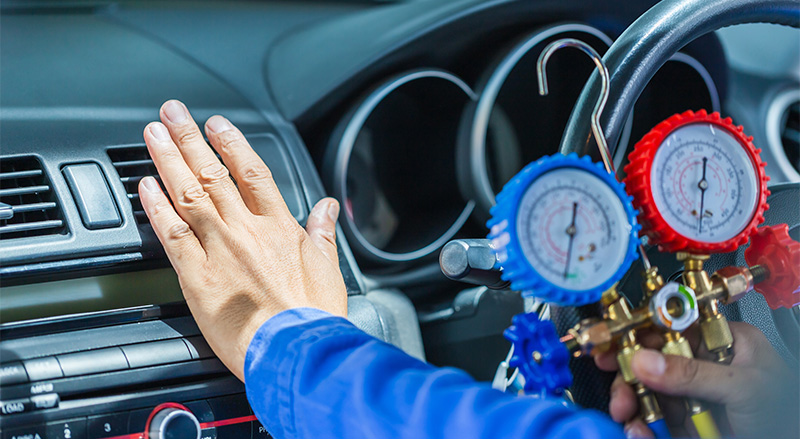
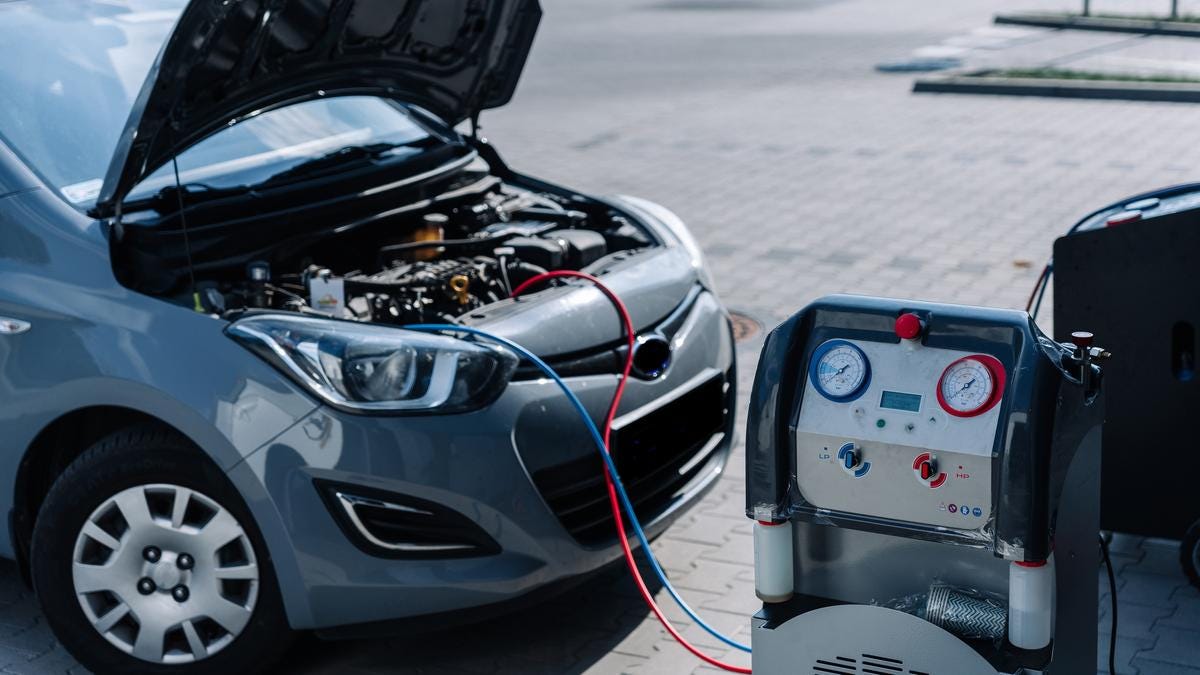
- Regular Maintenance: Make sure your AC system is well-maintained. Low refrigerant levels or a clogged filter can make your system work harder than it needs to, which means more gas used.
The Bottom Line (And Permission to Chill)
Yes, your car’s AC does use gas. It’s a necessary power draw from your engine to keep you from melting into a puddle on your seat. But it’s generally not a massive, bank-breaking amount for most everyday driving. It’s a trade-off: comfort versus a slight increase in fuel consumption.
In the grand scheme of things, the safety and comfort of staying cool and alert in your car (especially on long drives) often outweigh the minor hit to your fuel economy. So, next time you crank up that AC, you can do so with the knowledge that you’re not imagining things – it is using a bit more gas. But you also know why and how to be a little smarter about it. Now go forth and be cool, my friend!