Does Radiant Barrier Qualify For Tax Credit

Ah, the joys of home improvement! We all crave that sweet feeling of a more comfortable, energy-efficient living space. Maybe you're tired of battling soaring energy bills or just want to make your home a little greener. Whatever the reason, you've likely stumbled upon the wondrous world of radiant barrier. But before you dive headfirst into a DIY project, a crucial question arises: does this shimmering savior qualify for a tax credit?
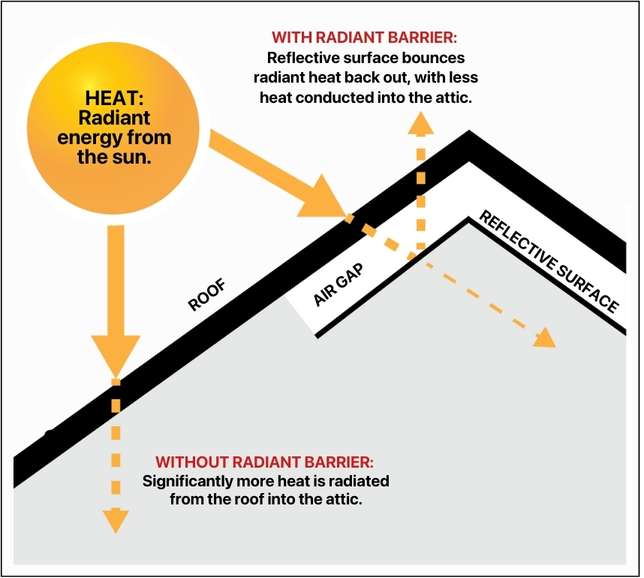
Let's back up a bit. What exactly is radiant barrier? Imagine your attic as a pizza oven on a hot summer day. The sun beats down, baking everything inside. Radiant barrier, typically a reflective material like aluminum foil laminated to cardboard or plastic film, acts like a superhero, reflecting that radiant heat away from your home. Instead of soaking into your attic insulation and radiating down into your living space, the heat is bounced back, keeping your house cooler and your AC unit from working overtime. This translates to lower energy bills and a more comfortable indoor environment, especially in warmer climates.
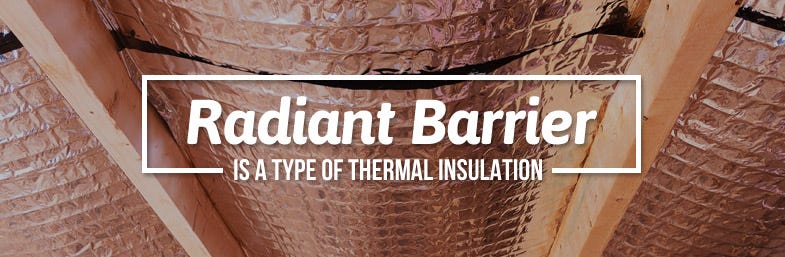
You'll often find radiant barrier installed in attics, either draped over rafters, stapled to the underside of the roof, or even integrated into some types of insulation. Another common application is in crawl spaces, where it helps to reduce heat gain and improve energy efficiency in the flooring above. It's like giving your home a high-tech, sun-blocking umbrella!
Must Read
So, the million-dollar question: can you snag a tax credit for installing radiant barrier? The answer, unfortunately, isn't a straightforward yes or no. It depends on several factors, primarily the specific tax laws and regulations in place at the time of installation. In the past, certain federal tax credits did exist for energy-efficient home improvements, including some types of insulation and energy-saving products. However, these credits often have expiration dates and specific requirements regarding the product's energy efficiency and installation standards.

Here's the practical advice:
- Consult a tax professional: This is the most important step. They can provide tailored advice based on your specific circumstances and the latest tax laws.
- Check the IRS website: The IRS website is the official source for information on federal tax credits and deductions. Look for publications related to energy efficiency and home improvements.
- Explore state and local incentives: Many states and local governments offer their own rebates and tax credits for energy-efficient upgrades. Check with your state energy office or local utility company.
- Keep detailed records: If you believe you qualify for a tax credit, keep thorough records of your purchase and installation, including receipts, product specifications, and any certifications.
Even if you don't qualify for a tax credit, radiant barrier can still be a worthwhile investment. To maximize its effectiveness, ensure proper installation. Gaps and tears can significantly reduce its performance. Consider combining radiant barrier with other energy-saving measures, such as improved insulation and air sealing, for optimal results. Think of it as part of a holistic approach to home energy efficiency. And remember, a cooler home and lower energy bills are rewards in themselves, tax credit or not!