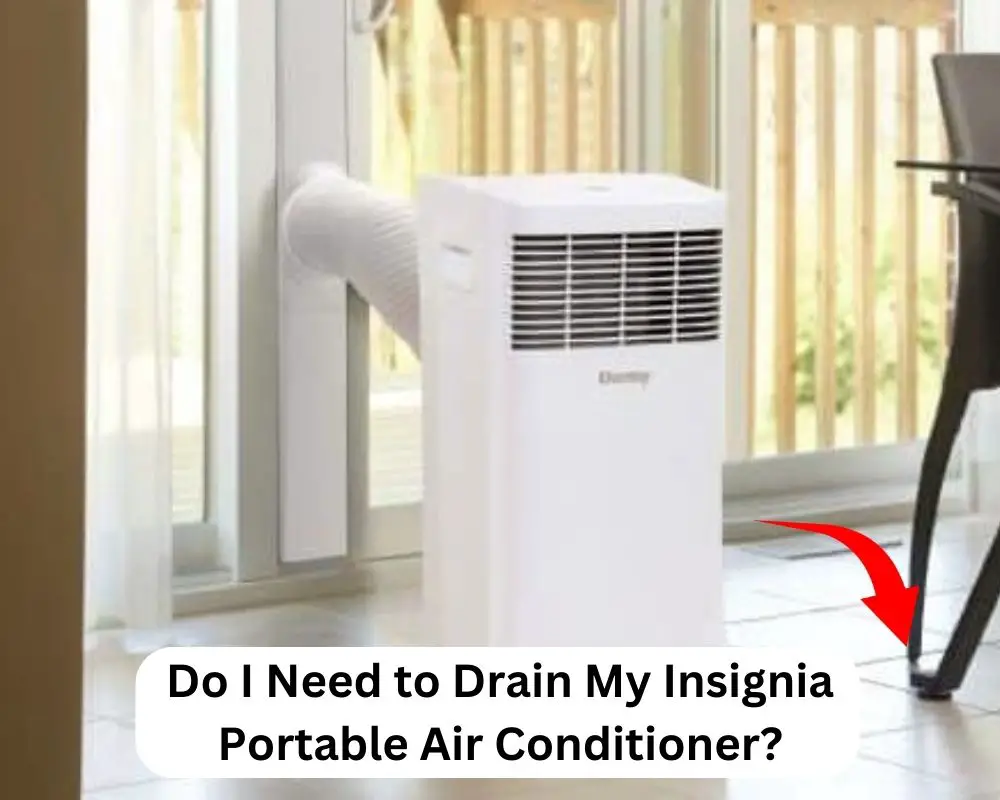
Does Portable Air Conditioner Need To Be Drained
Okay, so you've got yourself a portable air conditioner. Awesome! Freedom from the summer swelter is within your grasp. But then... a question pops into your head, a question that haunts your dreams: "Do I need to drain this thing?" Let's tackle that, shall we? Think of me as your friendly neighborhood guide to portable AC-dom.
The short answer? Yes, most likely. But before you start picturing yourself lugging buckets of water around, let’s break it down.
Why the Drainage Drama?
Imagine your portable AC as a tiny, frosty superhero fighting the humidity villain. When it's battling the bad guy (that sticky, heavy air), it pulls moisture out of the air. This moisture, my friends, is condensation – water! And like a super-efficient superhero, your AC creates a lot of it.
Must Read
Now, where does all that water go? Well, that depends on the type of portable AC you have. There are generally two types to consider: self-evaporative (sometimes called "no-drain") and the more traditional ones that definitely require draining. Think of it like this: some cars need regular oil changes, while others can go much longer. Same concept!
The Self-Evaporative "No-Drain" Myth (Mostly)
Okay, let’s talk about these so-called "no-drain" units. They sound amazing, right? Like the self-cleaning oven of the AC world! In theory, they evaporate most of the collected moisture and vent it out the exhaust hose. The keyword here is "most."

Even self-evaporative models often still require some draining, especially in super humid environments. Think of a muggy day after a summer rain. It's like trying to dry yourself with a tissue after jumping in a pool – the little tissue can only do so much! If you live in a particularly humid climate (hello, Florida!), or if your AC is running constantly, you'll probably still need to drain it. Don't let the "no-drain" label fool you completely.
The Drain-Required Reality
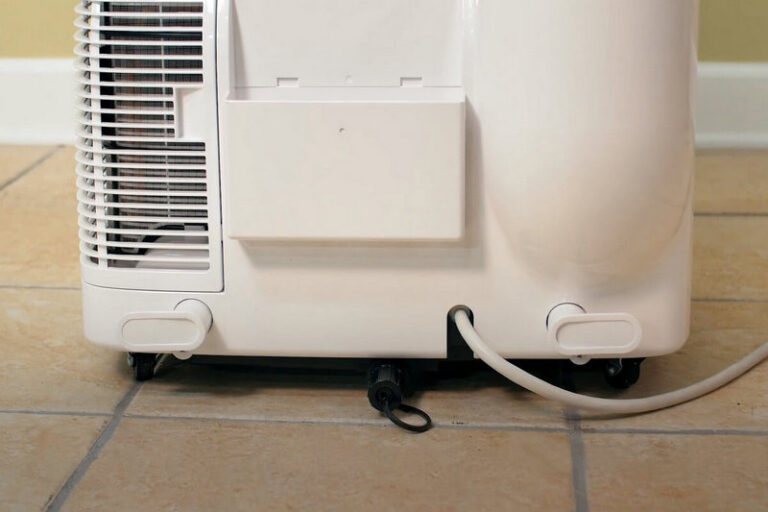
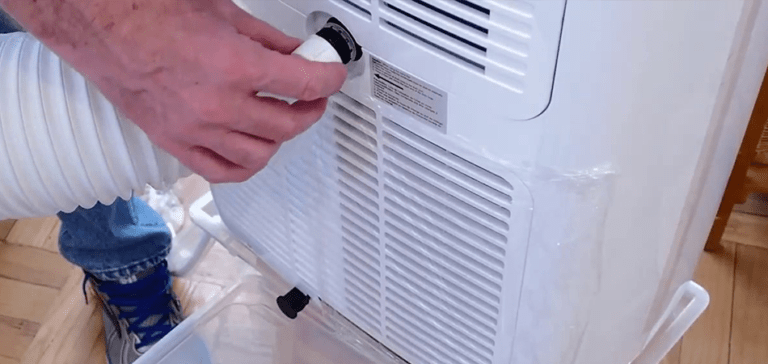
For most portable ACs, draining is a necessary evil. But it's not as scary as it sounds. Most units have a drain plug at the bottom, and some even come with a little hose. The draining process involves finding a suitable container (a bucket, a shallow pan, even a large Tupperware container in a pinch!), placing it under the drain plug, and letting the water flow out.
Think of it like emptying the drip tray on your coffee maker. A little inconvenient, sure, but not exactly rocket science. The frequency depends on the humidity and how often you're using your AC. Some people need to drain theirs daily, while others can go a few days between drainings.
How to Tell if You Need to Drain (and What Happens If You Don't)
So, how do you know when it's time to drain? Here are a few telltale signs:
- The dreaded flashing light: Many portable ACs have a "full" indicator light that will come on when the water reservoir is full. Consider this your AC's polite (or not-so-polite) way of saying, "Hey, I'm thirsty... for an empty tank!"
- Reduced cooling efficiency: If your AC isn't cooling as well as it used to, a full water tank could be the culprit. It's like trying to run a marathon with weights tied to your ankles – your AC is working harder but not getting the same results.
- Water leaks: This is the least subtle sign. If you see water puddling around your AC, it's definitely time to drain it.
- The gurgling sound: A full tank might cause a gurgling or sloshing sound from the unit while it runs.
What happens if you don't drain your portable AC? Well, at best, it will stop cooling efficiently. At worst, it could damage the unit or even cause a leak that could damage your floors. Trust me, a little draining is much easier (and cheaper!) than dealing with water damage.

Pro-Tips for Drainage Domination
Here are a few tips to make the drainage process a breeze:
- Elevate your AC: If possible, place your AC on a small stand or platform. This will make it easier to drain into a container.
- Use a hose: If your AC came with a hose, use it! It will make draining much easier and less messy.
- Consider continuous drainage: Some portable ACs allow for continuous drainage by attaching a hose and running it to a drain or sink. This is a great option if you live in a very humid climate.
- Regularly check the tank: Get into the habit of checking the water tank regularly, even if you have a self-evaporative model.
So, there you have it! Draining your portable AC might seem like a chore, but it's a necessary part of keeping your unit running efficiently and preventing damage. Think of it as a small act of love for your cooling companion, and it will reward you with years of blissful, sweat-free summers. Happy cooling!
Remember, always refer to your portable AC's manual for specific instructions on drainage and maintenance. Every model is different, and the manufacturer knows best!