
Does Nuclear Energy Produce Greenhouse Gases
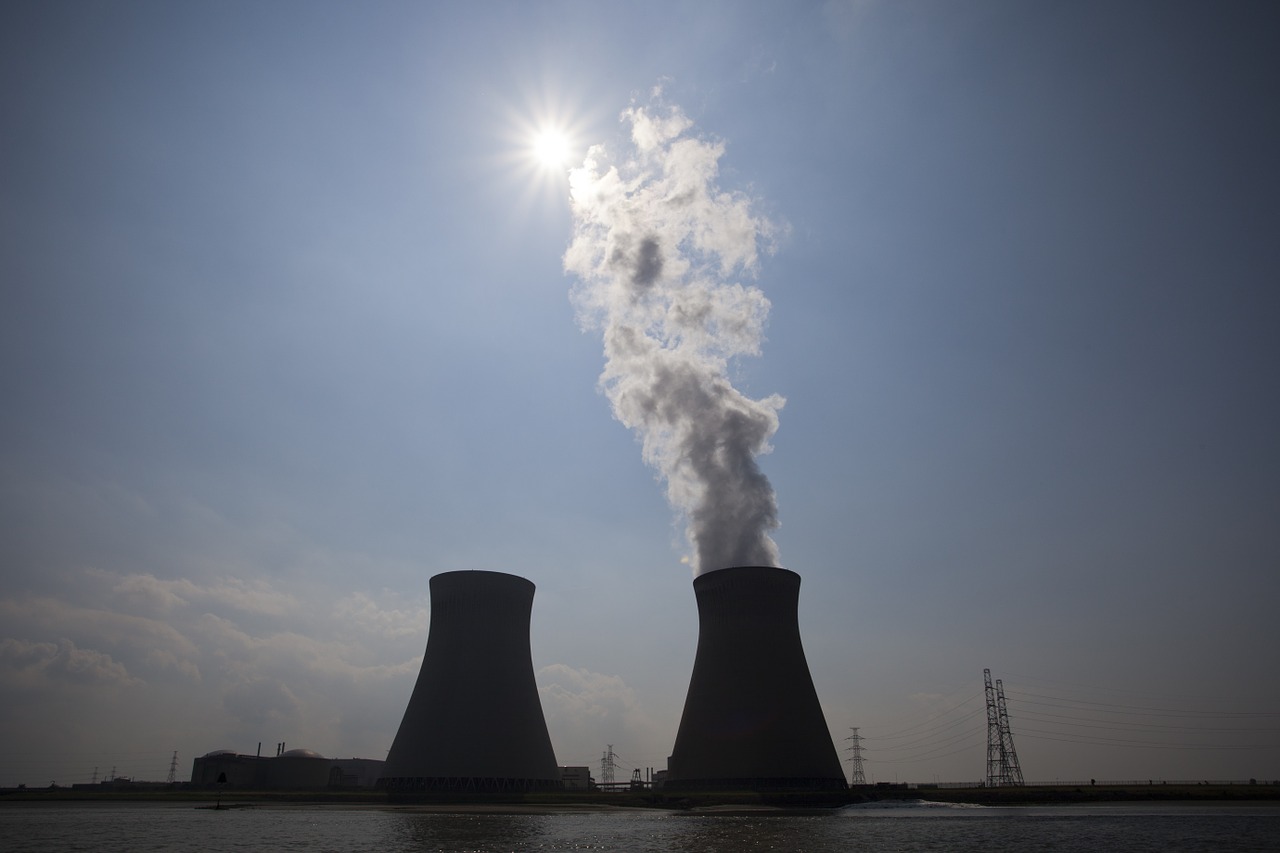
Let's talk nuclear energy! Does it puff out greenhouse gases like a grumpy dragon? It's a question that sparks a lot of fiery debate. Stick around, because the answer might surprise you, and hey, who doesn't love a good surprise?
The Big Question: Greenhouse Gas Galore or Green Energy Dream?
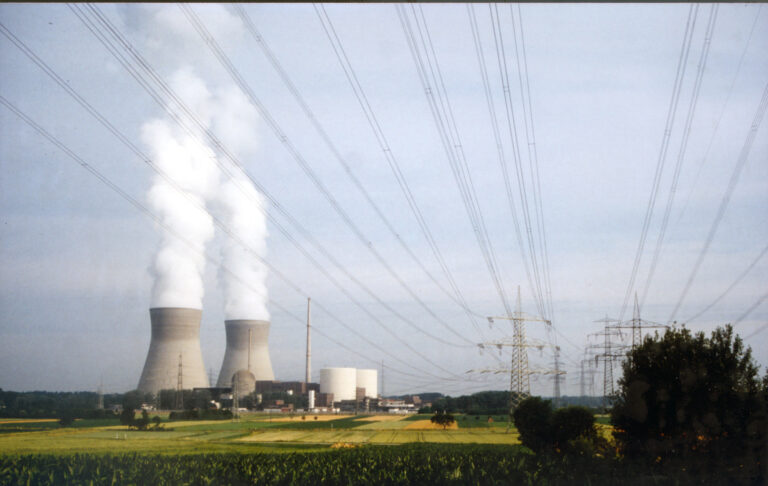
Okay, so the short answer is this: nuclear power plants themselves? They release almost no greenhouse gases while they're actually making electricity. Think of it like this: a windmill spinning on a breezy day. The windmill makes power, but it doesn't cough up pollution, right? Nuclear plants are similar, but instead of wind, they use the power of atoms splitting (fission, if you wanna get science-y!).
But wait! There's always a "but," isn't there? It's not quite a fairytale ending. To build a nuclear power plant, you need materials. And to get those materials, you need to mine and transport stuff. That mining, milling, and construction? Those activities do release some greenhouse gases.
Must Read
Think of it like baking a cake. The cake itself (the electricity) might be low in sugar (greenhouse gases), but getting the ingredients (building the plant) involves a little bit of sweetness (emissions) along the way.
Life Cycle Lowdown: A Greenhouse Gas Detective Story
To really understand the greenhouse gas impact, we have to look at the whole "life cycle" of nuclear energy. That means everything from digging uranium out of the ground to safely storing the used fuel (which is a whole other story for another day!).
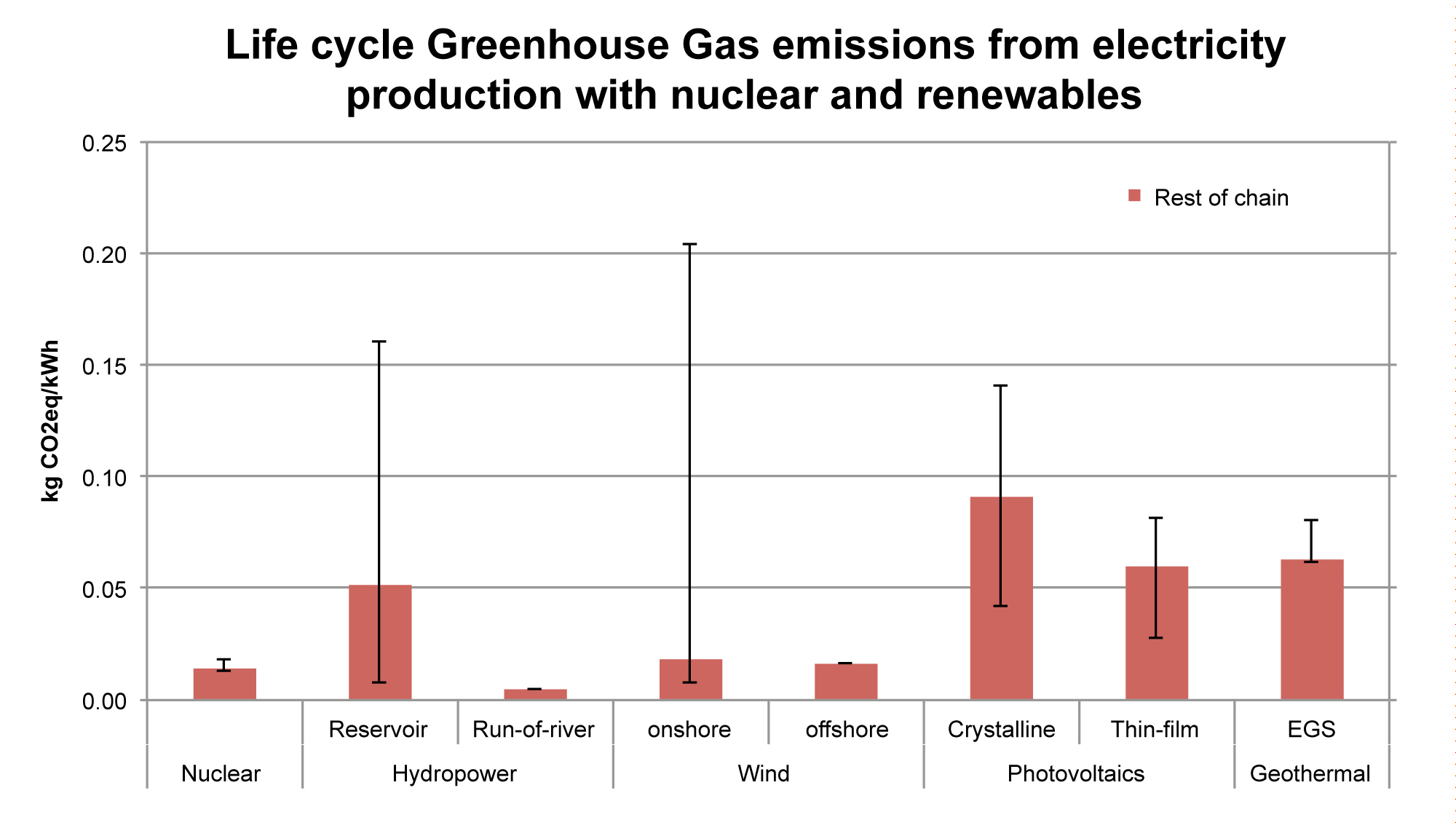
When you add it all up, nuclear energy looks pretty good! Studies show that the total greenhouse gas emissions from nuclear power are comparable to renewable energy sources like wind and solar. Yep, you read that right! They're much, much lower than fossil fuels like coal and natural gas.
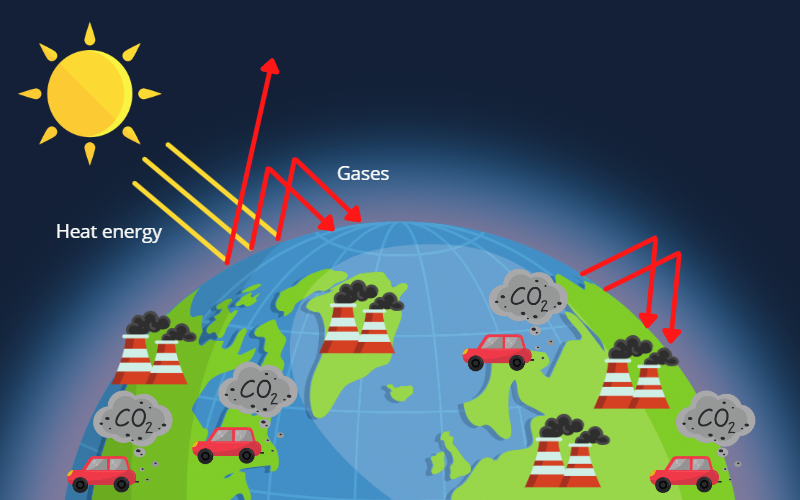
Imagine you're driving a car. Coal is like a gas-guzzling monster truck. Nuclear and renewables are like a sleek, fuel-efficient hybrid. Both hybrids need some gas, but not nearly as much as the monster truck!
The Nuclear Advantage: A Superpower in Disguise
So, what makes nuclear so special? It's all about power! Nuclear plants can generate a huge amount of electricity from a relatively small amount of fuel. Plus, they can run 24/7, rain or shine, wind or no wind. That reliability is a big deal when you're trying to keep the lights on for everyone.
Think of it as having a superpower that can always be used. Solar and wind are fantastic, but they depend on the sun shining and the wind blowing. Nuclear can step in and save the day when those renewable resources are taking a nap.
Digging Deeper: What You Can Explore Next
Want to become a nuclear ninja? Here are a few things to investigate:
- New Nuclear Technologies: Scientists are working on even better, safer, and more efficient nuclear reactors. Some of these designs could even use existing nuclear waste as fuel! Talk about turning trash into treasure!
- The Nuclear Fuel Cycle: Learn about the process of mining, enriching, using, and storing nuclear fuel. It's more fascinating (and complex) than you might think!
- Global Nuclear Policies: Different countries have different approaches to nuclear energy. What are the pros and cons of each approach?
Nuclear energy is a complex topic, but it's also a crucial part of the global energy mix. By understanding the facts, we can have a more informed and productive conversation about the future of energy and how we can build a cleaner, more sustainable world. So go forth and explore the fascinating world of atoms! Who knows? You might just discover your own inner nuclear physicist!
Remember to always check out multiple sources and listen to different perspectives. It's the best way to learn and form your own opinion. And hey, learning is always an adventure, right?
