Does Niacin Change Drug Test Results
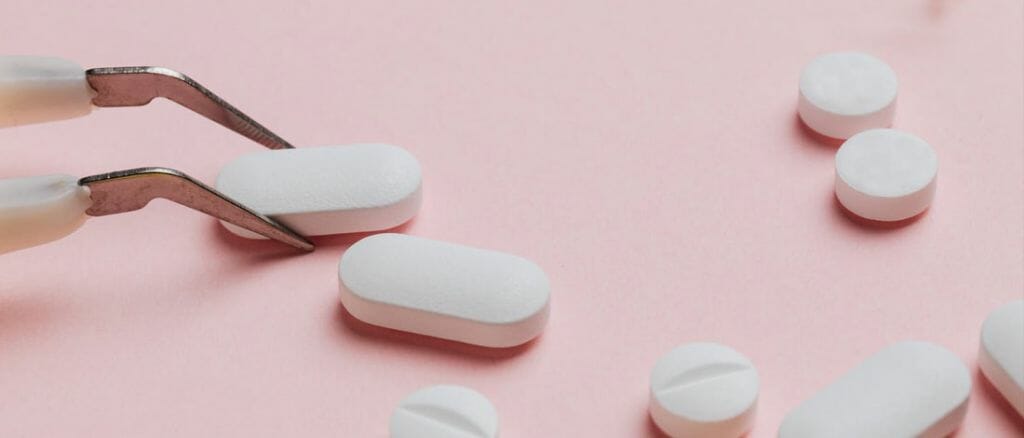
Hey there, friend! Ever found yourself staring into the abyss of an upcoming drug test and thinking, "Is there a magical vitamin that can save me?" (We've all been there, no judgment!). Today, we're tackling a question that pops up more often than free pizza at a college dorm: Does niacin change drug test results?
Niacin: The Superhero Vitamin (or is it?)
Niacin, also known as Vitamin B3, is a pretty essential nutrient. It's like the little engine that could for your metabolism, helping turn food into energy. It's also good for your skin and nerves. Basically, it’s a wellness wonder… but can it work miracles in the realm of drug testing? Let's dig in.
Some people believe that taking large doses of niacin can flush out your system, helping you pass a drug test. The idea is that it speeds up your metabolism, which helps you get rid of the bad stuff quicker. Think of it as a turbo boost for your bodily functions! Sounds great, right?
Must Read
The Truth About Niacin and Drug Tests: Reality Check!
Alright, buckle up, because here's where we separate fact from fiction. While niacin does affect your metabolism, there's very little scientific evidence to support the idea that it can reliably alter drug test results. In fact, relying on niacin alone is a huge gamble. Like, betting your last slice of pizza on a coin flip kind of gamble.
So, what can happen if you down a bunch of niacin before a drug test? Well, first off, you might experience some unpleasant side effects. We’re talking skin flushing (hence the name, probably!), itching, nausea, vomiting, and even liver problems in extreme cases. Trust me, explaining why you look like a lobster to the drug testing administrator isn’t going to improve your chances.

Here’s the kicker: Many drug tests are designed to detect attempts at masking or diluting samples. Overdoing it on niacin can actually raise a red flag, making you look even more suspicious. And let's be honest, you don't want to add "potential cheater" to your resume of worries.
Why the Niacin Myth Persists
If niacin isn't a magic bullet, why does the myth keep circulating? Well, sometimes people who take niacin also drink a lot of water to try and further “flush” their system. Drinking excessive amounts of water can temporarily dilute your urine, potentially lowering drug concentrations. However, this is a temporary fix and can also be detected by the test as dilution. Labs check for specific gravity and creatinine levels to ensure a sample hasn't been tampered with. It’s a cat-and-mouse game you’re unlikely to win.
Think of it like trying to hide a mountain with a beach towel. You might cover up a tiny portion, but everyone can still see the gigantic mountain. (Okay, maybe that analogy isn’t perfect, but you get the idea!)

What Actually Works (Hint: Honesty is the Best Policy!)
So, if you’re facing a drug test, what should you do? Well, the best approach is always going to be honesty and transparency. If you're taking prescribed medications, be sure to disclose them. If you have questions or concerns, talk to your doctor or employer. Open communication is always better than trying to pull off a vitamin-fueled magic trick.
Of course, the most effective way to pass a drug test is to abstain from drug use. I know, groundbreaking advice, right? But seriously, it's the only foolproof method. Plus, it's good for your overall health and well-being. Double win!

The Uplifting Conclusion!
Listen, navigating life's challenges can be tricky, and we all make mistakes. The good news is that most employers and organizations are understanding and prioritize open communication. Don't rely on risky and unproven methods like mega-doses of niacin. Focus on making healthy choices, being honest, and addressing any underlying issues that might be contributing to your situation.
Remember, you're awesome, capable, and deserving of a positive outcome. So, take a deep breath, face your challenges head-on, and ditch the niacin-induced stress! You've got this!
Disclaimer: I am an AI Chatbot and not a medical professional. This is not medical advice. Always consult with a qualified healthcare provider for any health concerns or before making any decisions related to your health or treatment.