
Does Natural Gas Rise Or Fall

Alright, let's dive into a question that might seem a little... well, gaseous! But trust me, it’s going to be a fun little adventure into the physics of everyday life. Have you ever paused to wonder about natural gas? You know, the stuff that warms our homes and cooks our meals? We interact with it all the time, but do we truly understand its nature?
Here’s the million-dollar question, folks: Does natural gas rise or fall?
It’s not just a trivial brain-teaser! Knowing the answer can actually make you a bit savvier, a touch safer, and honestly, a lot more appreciative of the hidden wonders around us. So, put on your thinking caps, but keep them tilted a little sideways for maximum fun!
Must Read
The Big Reveal: Up, Up, and Away!
Let's not keep you in suspense any longer, dear reader. The answer is: Natural gas rises!
Yep, that’s right. It doesn't sink to the lowest points in a room like a grumpy, dense liquid. Instead, it aspires to the heavens, floating upwards. Think of it like a tiny, invisible hot air balloon, always wanting to reach the ceiling.
But Why Does It Rise?
Ah, now we get to the good stuff! The secret lies in something called density. Imagine a feather and a rock. The feather is less dense than the rock, right? It floats down gently, or even drifts on the breeze. Natural gas works on a similar principle when compared to the air around it.
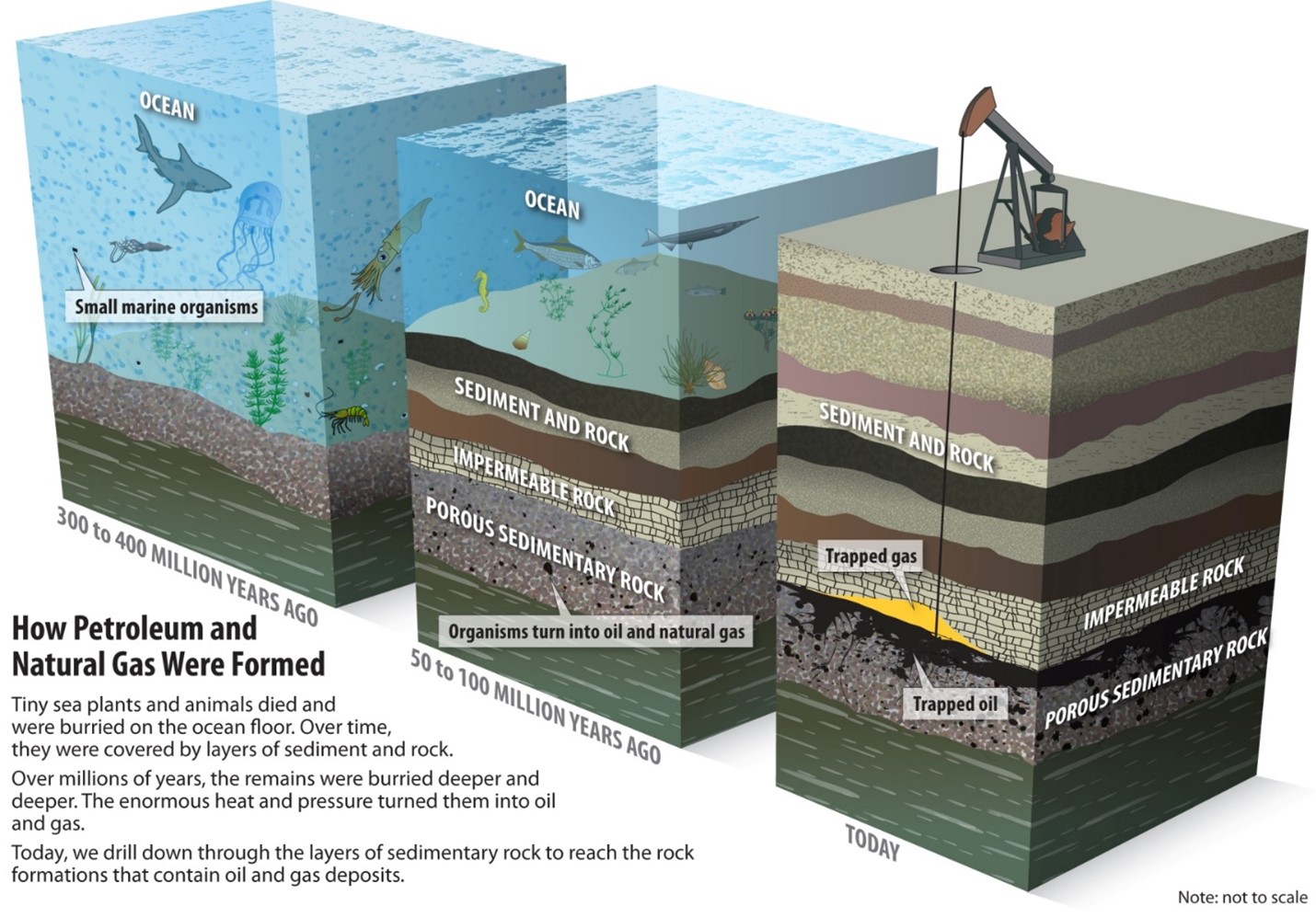
Natural gas is primarily made up of methane (CH₄). And methane, my curious friend, is lighter than air. Our everyday air is a mix of gases, mostly nitrogen and oxygen, which are heavier than methane molecules. So, when natural gas escapes, it doesn’t hang around at ankle level. Oh no, it gracefully ascends!
Isn’t that neat? It's a simple fact, but it has some pretty profound implications, don't you think?
Making Life a Little Safer (and More Fun!)
Understanding that natural gas rises isn't just for impressing your friends at a dinner party (though it totally will!). It’s also incredibly practical. For instance, if you have a natural gas detector in your home, where do you think it should be placed?

If you guessed high up on the wall or near the ceiling, give yourself a gold star! Because natural gas rises, that’s where it would accumulate first in the event of a leak. Knowing this isn't just academic; it could be life-saving knowledge.
Suddenly, a seemingly simple question about gas turns into a mini-lesson in home safety and basic physics. How cool is that?
A Quick Detour: Not All Gases Are Created Equal!
Now, just for a moment, let's explore a fascinating contrast. While natural gas rises, other common gases behave differently. Take propane, for example (the kind often used in BBQ grills). Propane is heavier than air. So, if you had a propane leak, where would that gas collect?

At the lowest points! See? It's like a scientific treasure hunt where every gas has its own unique personality and behavior. And what about carbon dioxide (CO₂)? That’s also heavier than air, which is why it's often used in fire extinguishers to "smother" flames by displacing oxygen at ground level.
The world is full of these tiny, incredible details, just waiting for us to uncover them. Each little piece of knowledge is like a superpower, giving you a deeper understanding of how everything works around you.
The Joy of Learning: A Never-Ending Ascent
So, we started with a simple question: Does natural gas rise or fall? And we ended up exploring density, home safety, and even touched on other gases! Isn't it wonderful how one small query can lead to a cascade of fascinating insights?

This isn't just about natural gas, dear reader. This is about the sheer joy of curiosity. It's about taking a moment to ponder the seemingly mundane and discovering the extraordinary hidden within.
Every "aha!" moment, no matter how small, adds another layer to our understanding of the universe. It makes us more engaged, more appreciative, and frankly, a whole lot more interesting to ourselves and others.
So, I encourage you, keep asking questions! Keep wondering why things are the way they are. The world is an amazing place, packed with scientific wonders just waiting to be discovered. Let your curiosity be your guide, always rising to meet new challenges and seeking new knowledge.
Go on, embrace your inner scientist! You never know what incredible (and perhaps even life-saving) facts you might uncover next. The journey of learning is, after all, a constant and beautiful ascent!