
Does Natural Gas Make You Sick

Ever had that tiny thought flit through your mind while cooking dinner or stepping into a lovely warm shower? You know, the one that whispers, "Is this invisible stuff secretly trying to make me feel icky?"
We're talking about natural gas, the silent, efficient powerhouse behind so much of our daily comfort. It's a fantastic, hardworking friend in our homes.
But does it have a secret villainous plot to make you sick? Hold onto your hats, folks, because we’re here to bust that myth wide open with a resounding, enthusiastic "Nope!"
Must Read
Your Invisible Helper: What is Natural Gas Anyway?
Imagine Earth's own ancient energy drink, bubbling up from deep underground. That's pretty much what natural gas is!
It’s a naturally occurring fossil fuel, primarily made of something called methane. It's a simple, elegant molecule just doing its thing.
And here's the kicker: in its pure form, natural gas is completely odorless and non-toxic. It doesn't have a hidden agenda to give you a tummy ache or a headache.
That Funky Smell: Your Friendly Warning System!
"Wait a minute!" you might exclaim, "I've definitely smelled gas before, and it wasn't exactly a bouquet of roses!" And you would be absolutely right!
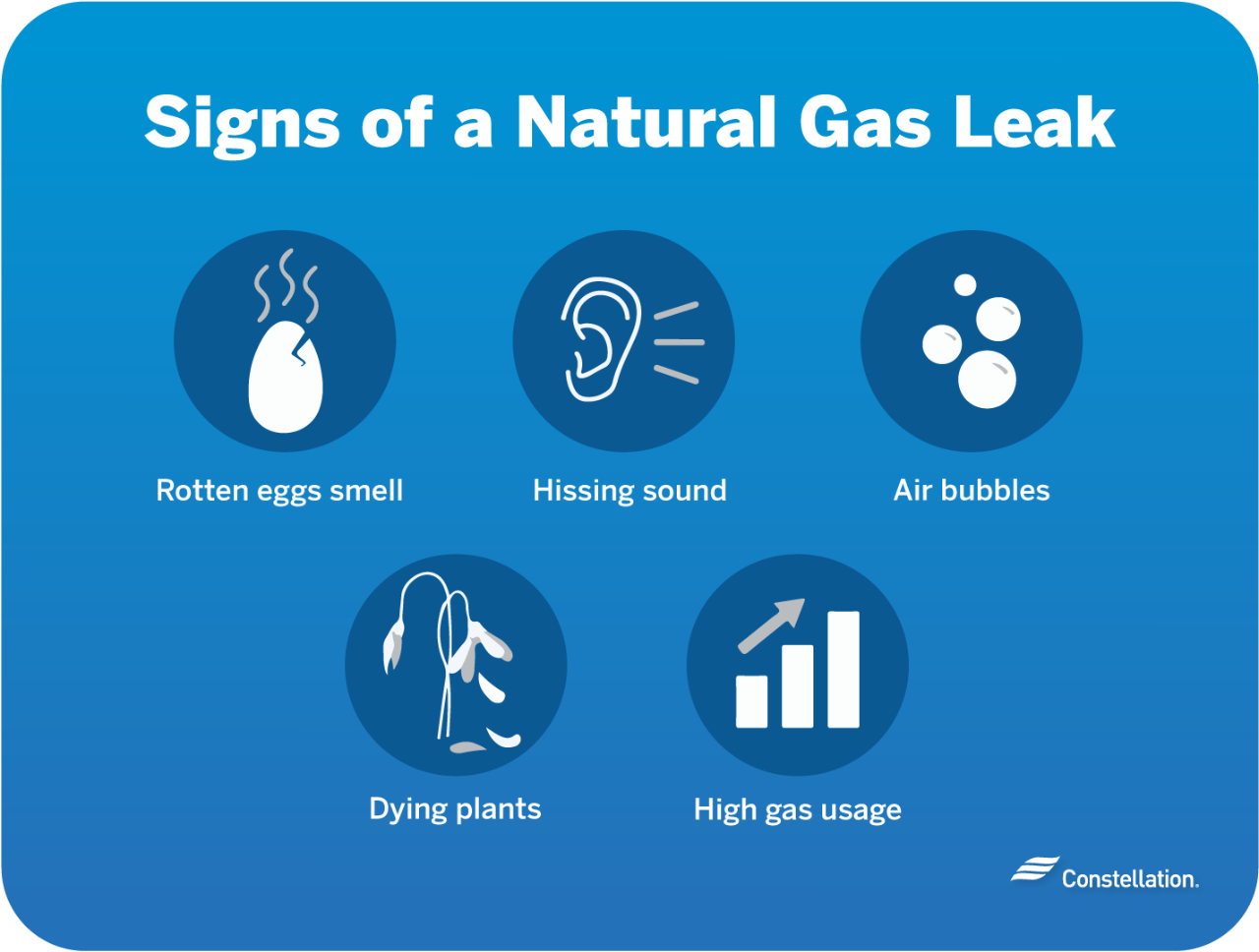
That distinctive, unforgettable whiff—often compared to rotten eggs or sulfur—isn't the natural gas itself. It's a clever, added ingredient!
This superstar additive is called mercaptan, and it's basically the gas's personal, super-loud alarm clock. It's there to make a stink, literally!
Think of mercaptan as the ultimate party pooper for potential leaks. Because natural gas is invisible and odorless, nobody would know if it decided to escape its pipes without it.

So, utility companies add this powerful scent to natural gas. It ensures that if even a tiny bit of gas gets loose, you'll know about it instantly.
"That rotten-egg smell isn't gas being bad; it's gas sending you a friendly, albeit stinky, text message!"
It's your first, best line of defense, a truly genius safety feature designed to keep you and your home safe. So, when you smell it, give a silent nod of thanks to that marvelous mercaptan!
The Real Deal: Understanding the (Very Rare) Dangers
Since natural gas itself isn't toxic, you might wonder what all the fuss is about. Well, there are two main scenarios, both rare and preventable, that get confused with natural gas making you "sick."
Scenario 1: Oxygen Displacement (The "Big Leak" Party Crasher)
Imagine a room so packed with people that you can barely breathe. Now, swap the people for a massive amount of natural gas from a large, unaddressed leak.
If an enormous quantity of natural gas fills an enclosed space, it can push out the breathable oxygen. It literally displaces the air we need.
Feeling lightheaded or dizzy in such a situation isn't because the gas is poisoning you. It's because your body isn't getting enough oxygen to function properly.
Again, this is where mercaptan becomes your superhero. Its powerful smell gives you plenty of warning to leave the area long before oxygen displacement becomes an issue.
Plus, the biggest danger with a large, uncontained leak isn't sickness, but the risk of fire or explosion. Which is another huge reason why that smell is so incredibly vital!

Scenario 2: The Sneaky Villain - Carbon Monoxide (CO)
Now, let's introduce the true mischief-maker that often gets unfairly lumped in with natural gas: carbon monoxide, or CO. This gas is a completely different character!
CO is a byproduct of incomplete combustion of any fuel, not just natural gas. It can come from gas furnaces, water heaters, stoves, fireplaces, cars, or even charcoal grills.
If your gas appliances aren't properly maintained or vented, they can produce carbon monoxide. This is when things get serious, because CO is toxic.
Unlike our stinky mercaptan, carbon monoxide is truly invisible and odorless. It silently replaces oxygen in your blood, making you feel very sick, sometimes even fatally so.
So, to be clear: natural gas itself doesn't make you sick. The danger comes from carbon monoxide, a sneaky villain produced by poorly functioning appliances that use any fuel source, including natural gas.
"Natural gas is not the villain; poor ventilation and maintenance are the real culprits when it comes to carbon monoxide!"
Embrace Your Invisible Home Helper!
Now that we've cleared up the confusion, let's get back to celebrating our natural gas friend! It truly is an amazing, efficient energy source that brightens our lives every day.
Think about the cozy warmth blanketing your home on a chilly morning. That’s natural gas working its quiet magic!
Or the perfectly cooked dinner, sizzling on your stovetop with immediate, precise heat. Thank you, natural gas!
And that glorious, steamy hot shower after a long day? Yep, natural gas is often the unsung hero making sure your relaxation is piping hot.
From fluffy laundry to perfectly baked cookies, natural gas contributes to countless moments of comfort and joy in our homes. It truly is a reliable, steadfast helper.
Simple Steps for Happy, Healthy Gas Use
Living harmoniously with your natural gas supply is super easy and just requires a few simple, common-sense habits. No need for complicated spells or ancient rituals!
Listen to Your Nose!
If you ever catch that distinct rotten egg smell of mercaptan, your nose is telling you something important. It's not a drill!
Don't hesitate, and don't investigate! Immediately leave your house, taking any pets with you.
Once you're safely outside and away from the building, call your gas utility's emergency number. They are the experts, and they will fix everything quickly and safely!
Install Those Super-Smart Detectors!
For that sneaky carbon monoxide, make sure you have working carbon monoxide detectors on every level of your home.
These little gadgets are like invisible bodyguards, constantly sniffing out threats you can't see or smell. They are absolute must-haves for every home!
Check their batteries regularly and test them according to the manufacturer's instructions. They are truly life-savers.
Give Your Appliances Some Love!
Finally, keep your gas appliances in tip-top shape. Schedule regular professional maintenance for your furnace, water heater, and other gas-powered devices.
A well-maintained appliance burns fuel efficiently and safely, minimizing any risk of CO production. It's like giving your home's vital organs a refreshing spa day!
The Grand Conclusion: Feel Good About Gas!
So, let's banish those worried thoughts once and for all. Does natural gas make you sick?
Absolutely not! Natural gas itself is a harmless, non-toxic wonder. It’s been wrongly accused, much like a friendly dragon mistaken for a fire-breathing foe.
With a tiny bit of vigilance and the help of its stinky sidekick mercaptan and vigilant CO detectors, natural gas is perfectly safe.
It's an incredible resource that brings warmth, convenience, and joy into our lives every single day. So, go ahead, enjoy that hot shower, cook that delicious meal, and feel good about your invisible home helper!