Does Jb Weld Work On Cast Iron
Ever found yourself staring down a beloved but broken piece of cast iron? Maybe it’s an antique garden ornament, a sturdy old tool, or even a classic car part. Cast iron, with its incredible durability and rustic charm, can last for generations, but it’s not indestructible. When it cracks or breaks, the thought of replacing it can be daunting, and professional welding can be pricey. This is where a curious question often pops up in the minds of DIY enthusiasts and thrifty problem-solvers: Does JB Weld work on cast iron? It’s a fun little mystery to unravel, offering a potential lifeline to cherished items and a fascinating look into the world of home repairs.
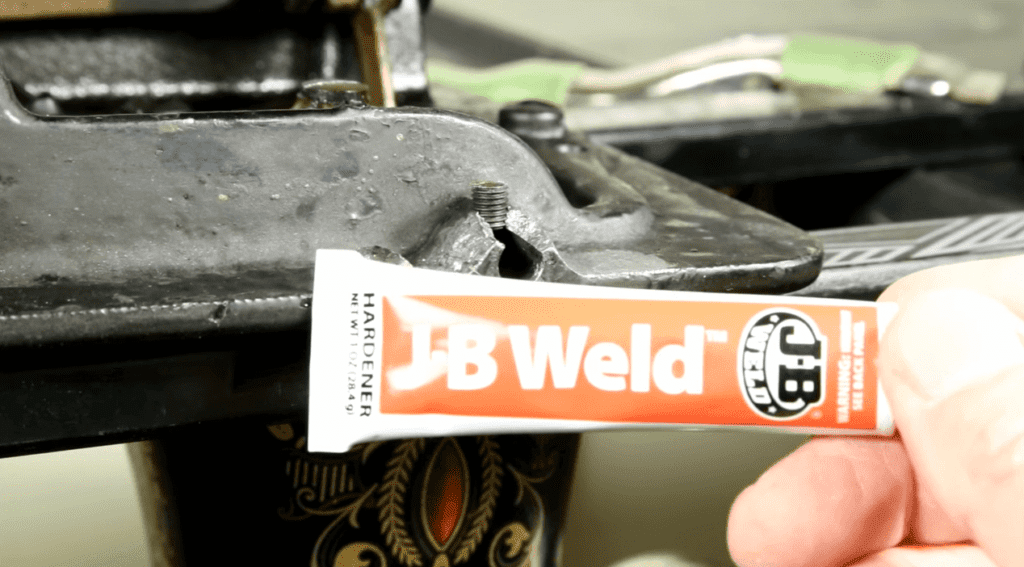
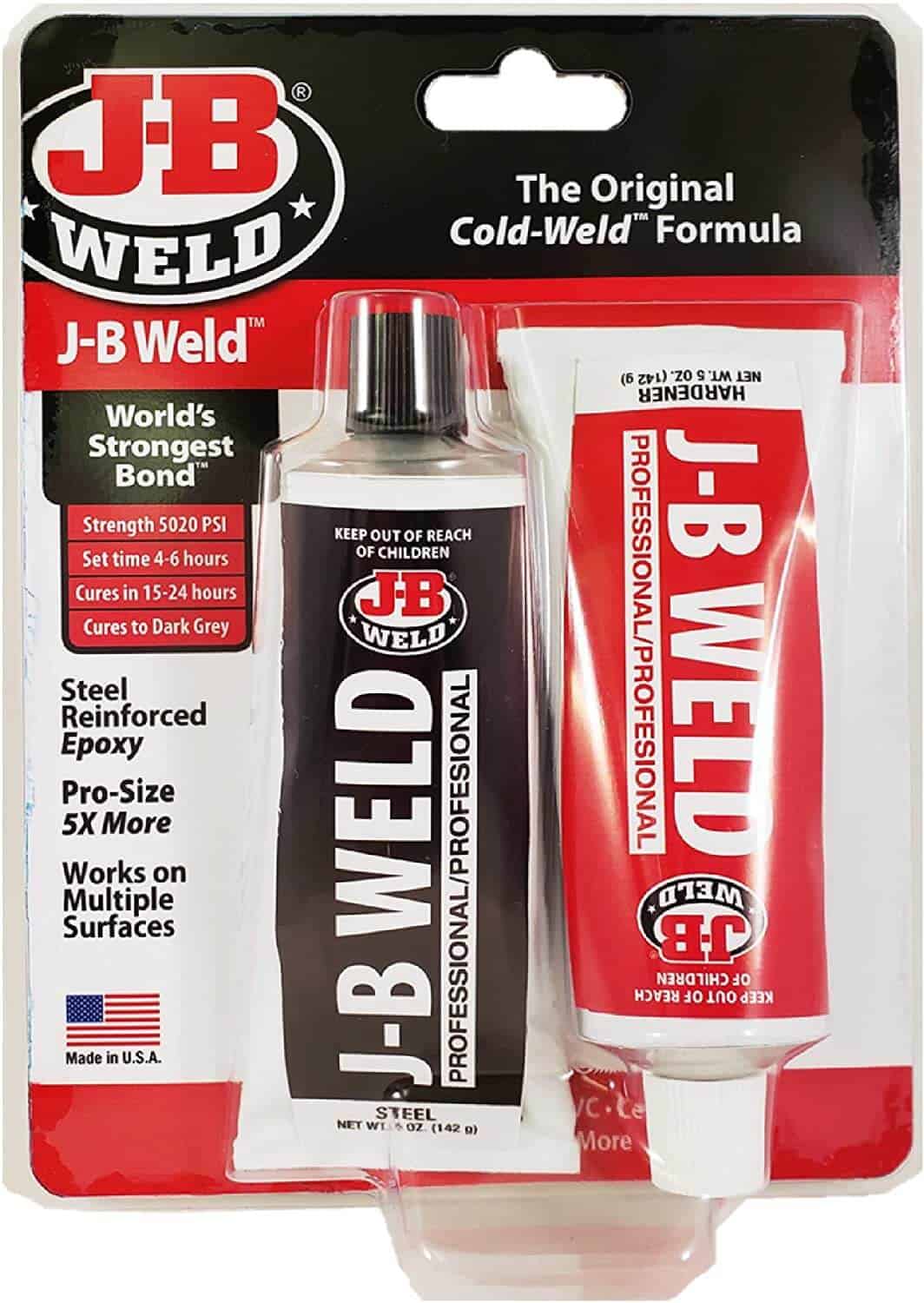
So, what exactly are we talking about here? JB Weld isn't just any old super glue. It's actually a family of incredibly strong, two-part epoxy systems often called "cold weld" compounds. You mix a resin with a hardener, and a chemical reaction creates an incredibly tough, durable bond. The original JB Weld, often referred to as "the strongest bond in the world," cures to a rock-hard, dark grey finish, much like steel. Its biggest benefits for cast iron? It’s affordable, easily accessible at almost any hardware store, and requires no specialized equipment like a welding torch. Plus, once cured, it's known for its incredible strength, heat resistance, and ability to withstand water, chemicals, and oil. For a material as robust and rigid as cast iron, a rigid, strong fix is precisely what’s needed, making JB Weld a promising candidate.
You might wonder where this magic goo could come in handy in daily life. Imagine a small crack in a cast iron exhaust manifold – a common issue that could lead to costly repairs. A careful application of JB Weld could seal that crack, extending the life of the part without a full replacement. Or perhaps a leg on a heavy cast iron stove or an ornate garden bench has snapped off; JB Weld can often mend such breaks, restoring functionality and aesthetics. While it’s generally not recommended for items that will come into direct contact with food (like a skillet), it’s excellent for non-food-contact repairs, from mending an antique fireplace grate to fixing a chipped piece of machinery in a workshop. It’s a practical skill to understand, allowing you to give new life to items that might otherwise be discarded, turning potential waste into a triumph of resourcefulness.
Must Read
If you're intrigued and want to explore this further, here are some practical tips. First and foremost, preparation is paramount. For JB Weld to truly work its magic on cast iron, the surface must be immaculately clean, dry, and free of grease, rust, or paint. A thorough cleaning with a degreaser, followed by roughening the surface with sandpaper or a wire brush, will give the epoxy something to really grip onto. When mixing, always follow the instructions precisely – usually a 1:1 ratio – and mix thoroughly until you achieve a uniform color. Apply a thin, even coat, and if possible, use clamps to hold the pieces together during the curing process. Patience is also a virtue; while it may set quickly, always allow for the full cure time (often 15-24 hours) for maximum strength. Start with a less critical repair, perhaps on a scrap piece, to get a feel for the process. While JB Weld is incredibly strong, remember it's not meant to replace structural welding on critical components under extreme dynamic stress. However, for countless everyday breaks and cracks in cast iron, this humble epoxy can indeed be a fantastic, reliable solution, proving that sometimes, the simplest fixes are the most effective.