
Does Insurance Cover Medical Alert Systems
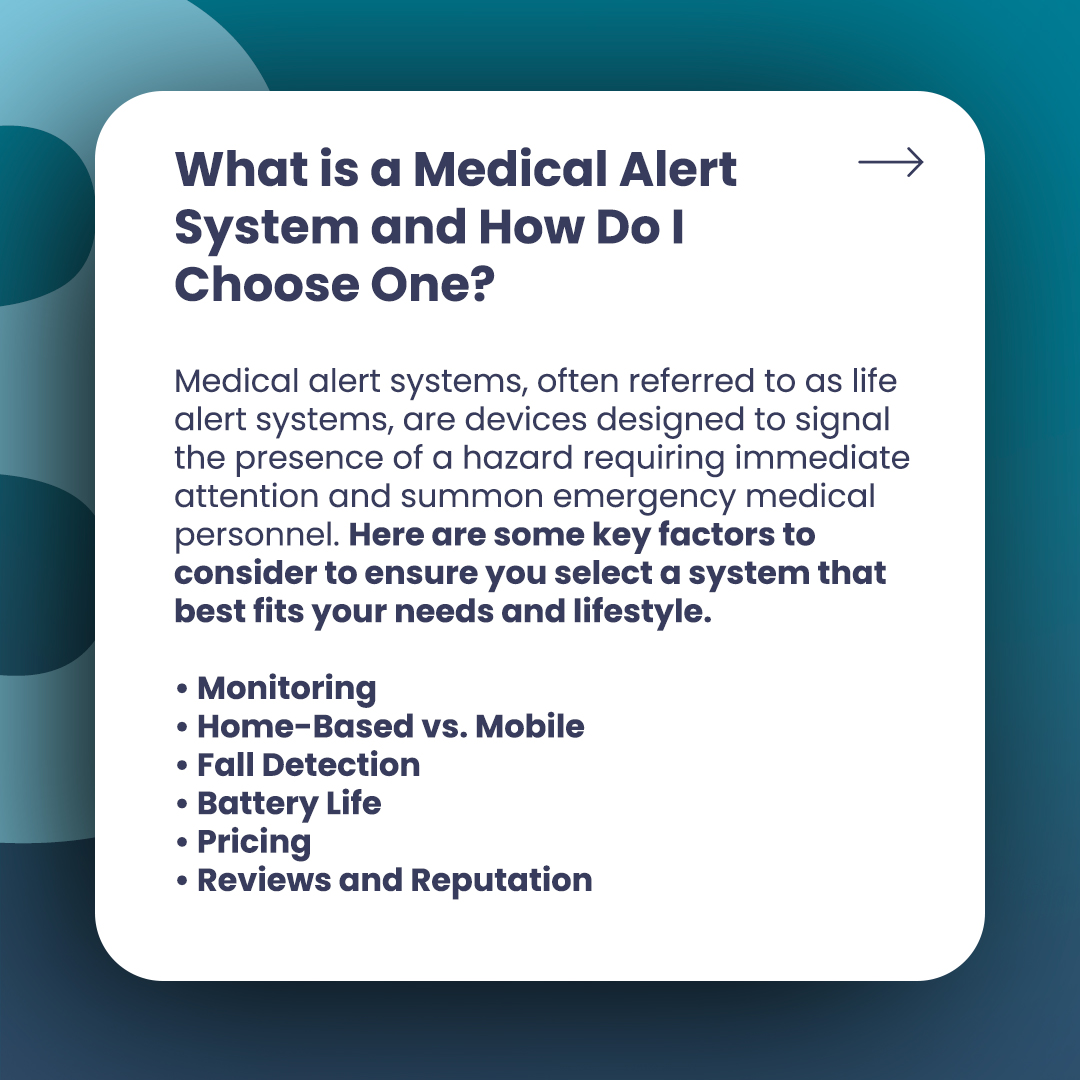
Alright, let's talk about something truly wonderful, something that feels like having a tiny, invisible superhero sidekick whispering, "I've got your back!" We're talking about medical alert systems. You know, those clever gadgets that let you press a button and instantly connect you to help, whether you've tripped over the cat (again!) or just need a friendly voice in an emergency. It’s like having your own personal Bat-Signal, but for everyday life!
Now, here’s the million-dollar question that often pops up like a surprise pop quiz: “Does insurance actually cover these amazing little safety nets?” And honestly, it’s a question that makes sense! We want peace of mind, and we want to know if our trusty insurance buddy will chip in for it. So, let’s dive into this glorious quest for coverage, shall we?
The Grand Unveiling: The "Maybe" and the "YES!"
First things first, let’s be real. Insurance can sometimes feel like a mysterious treasure map written in a language only ancient wizards understand. But fear not! We’re here to translate the runes. The short answer to whether insurance covers medical alert systems is… it depends! (Ah, the classic insurance answer, right?)
Must Read
But don't let that dampen your spirits! Because within that "it depends" lies a shimmering beacon of hope, especially for a certain type of plan. Let's break it down like a delicious, easy-to-digest pie.
Let's Chat About Medicare
If you're rocking the world of Medicare, listen up! This is where things get interesting.
-
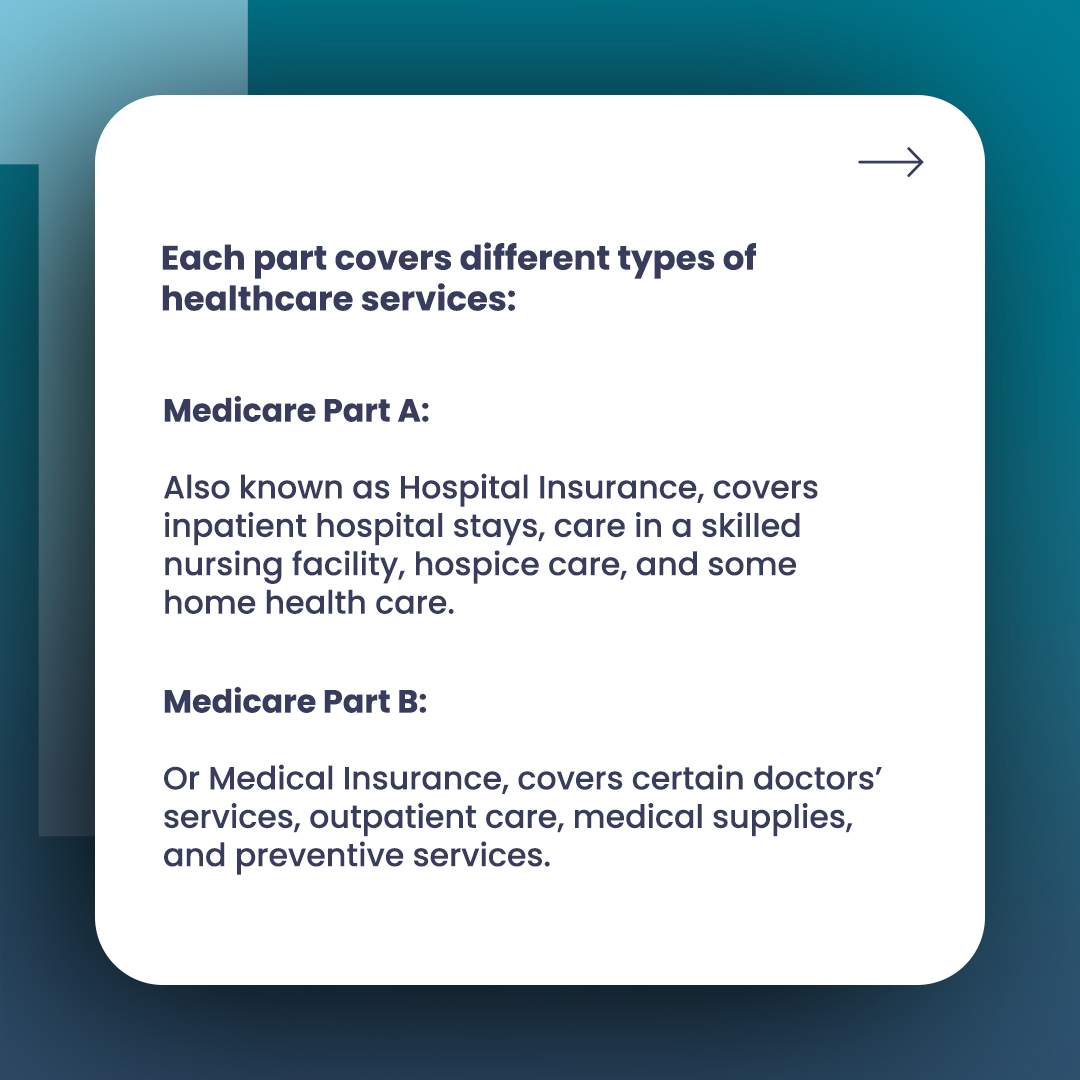
Original Medicare (Parts A & B): Now, our dear Original Medicare is a fantastic foundation, but when it comes to medical alert systems, it's a bit of a tough sell. Generally, it doesn't cover the monthly service fees or the equipment itself. They usually classify these as "convenience items" rather than "medically necessary durable equipment." Think of it this way: Original Medicare is great for hospital stays and doctor visits, but less so for your personal emergency button. It's a bummer, we know, but hold on! The story isn't over!
-
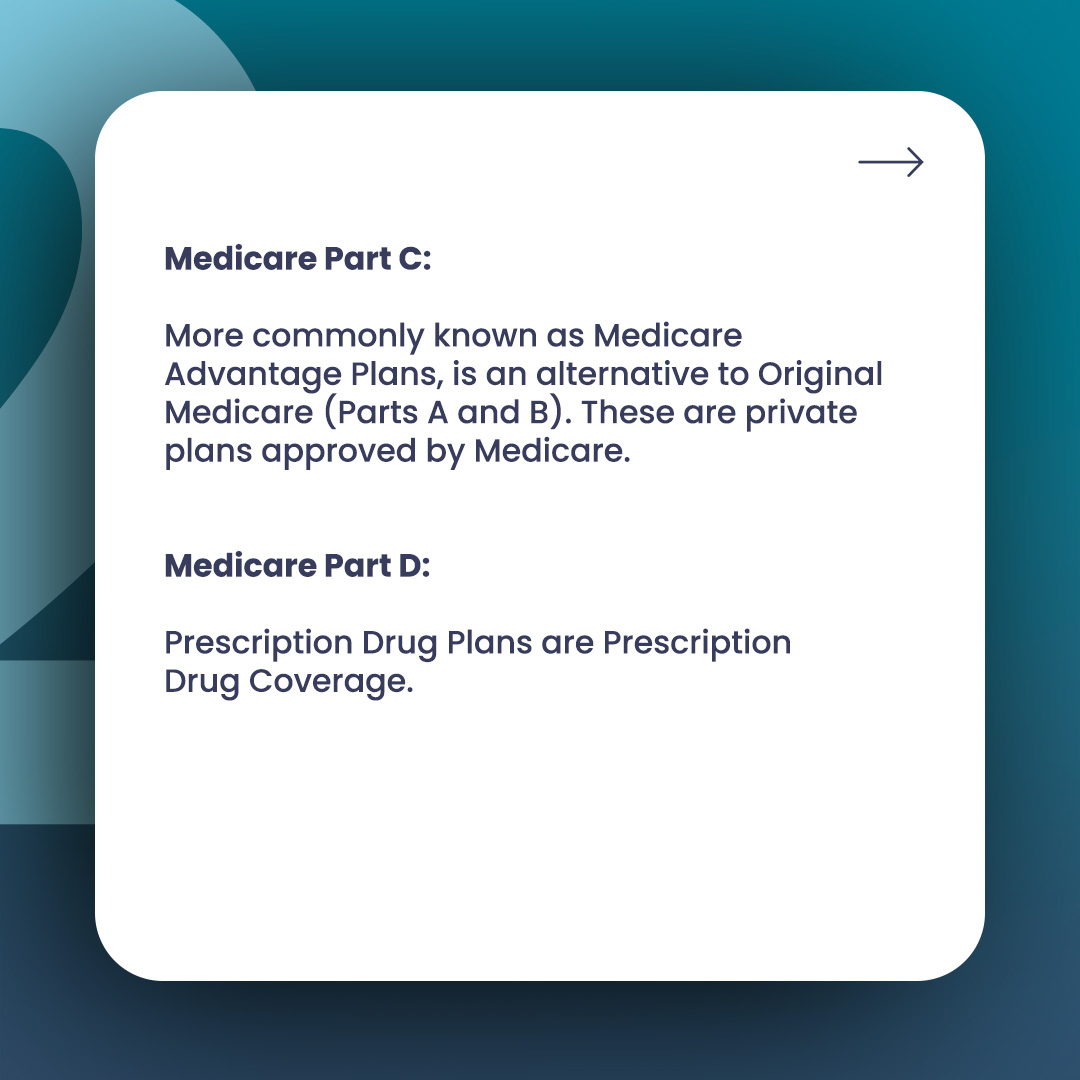
Medicare Advantage Plans (Part C): Ah, now we're talking! Cue the celebratory confetti! This is where the magic often happens. Many, and we mean MANY, Medicare Advantage plans DO cover medical alert systems! These plans are offered by private companies approved by Medicare, and they often throw in fantastic extra benefits that Original Medicare doesn't. They understand that staying safe and independent at home is a huge part of your health. So, if you have a Medicare Advantage plan, crack open your benefits guide or give them a cheerful call. You might just find that your superhero sidekick is fully funded!
"Check your Medicare Advantage plan! This is where the coverage party often begins!"
What About Other Insurance Superheroes?
Beyond Medicare, there are other heroes in the insurance landscape:
-
Medicaid: Good news here too! Many state Medicaid programs, particularly through their "Home and Community-Based Services" or "waiver programs," often do cover medical alert systems. These programs are designed to help people live independently in their homes, and guess what's a huge part of that? Yep, safety and quick access to help! Check with your state's Medicaid office to see what's available in your neck of the woods.
-
Private Insurance (Employer-Sponsored or Individual Plans): This category is like a box of chocolates – you never know what you're gonna get! Some private insurance plans might cover medical alert systems, especially if your doctor deems it medically necessary and writes a prescription for it. It's less common than with Medicare Advantage or Medicaid, but it's always worth a quick phone call to your provider. Don't be shy!
-
Veterans Benefits: If you or a loved one are a veteran, salute! The Department of Veterans Affairs (VA) often provides coverage for medical alert devices and services as part of their comprehensive care for veterans. This is a fantastic resource and definitely something to explore if you’re eligible.
Medicare for Medical Alert Systems {Most Affordable Plans 2024}
Your Mission, Should You Choose to Accept It...
So, what’s your next step in this thrilling adventure for coverage? It’s simple, really:
-
Grab the Phone: Call the customer service number on your insurance card! Ask them directly about coverage for medical alert systems or Personal Emergency Response Systems (PERS). Be persistent but polite – they're there to help!
-
Dive into Your Documents: Sometimes, the answers are hidden in plain sight within your plan's Summary of Benefits or Evidence of Coverage. Look for terms like "durable medical equipment," "home health benefits," or "extra benefits."
Medicare for Medical Alert Systems {Most Affordable Plans 2024} -
Talk to Your Doc: Your doctor can be an amazing advocate! If they believe a medical alert system is crucial for your safety and well-being, ask them to write a "prescription" or a letter of medical necessity. This can sometimes tip the scales in your favor, especially with private insurance.
Even if, by some twist of fate, your insurance doesn’t cover it, remember that the cost of a medical alert system is often surprisingly affordable, especially when weighed against the priceless value of peace of mind and instant access to help. It’s a small investment for a gigantic return in safety and confidence!
So go forth, intrepid explorer! Arm yourself with information, make those calls, and discover if your insurance will help you snag that personal superhero button. Because everyone deserves to feel safe, secure, and ready to tackle whatever life throws their way – even if it’s just the cat!