Does Homeowner Insurance Cover Theft

Alright, let's chat about something no one ever wants to think about: the moment you realize something precious (or even just really convenient) has pulled a disappearing act from your home. Maybe it’s your fancy new espresso machine, your grandmother’s slightly-creepy-but-sentimental porcelain doll collection, or that brand-new TV you just mounted, only for it to be, well, un-mounted by someone else. Your heart sinks faster than a brick in a swimming pool, and then the big question pops into your head: “Does my homeowner’s insurance even cover theft?”
Good news, buttercup! For most of us, the answer is a resounding, “Yes, absolutely!” Phew, right? Homeowner’s insurance isn't just there for a rogue tree falling on your roof or a pipe deciding to impersonate a geyser. It's also designed to cover the sting of having your belongings snatched away.
Your Stuff, Your Sanctuary, Your Coverage
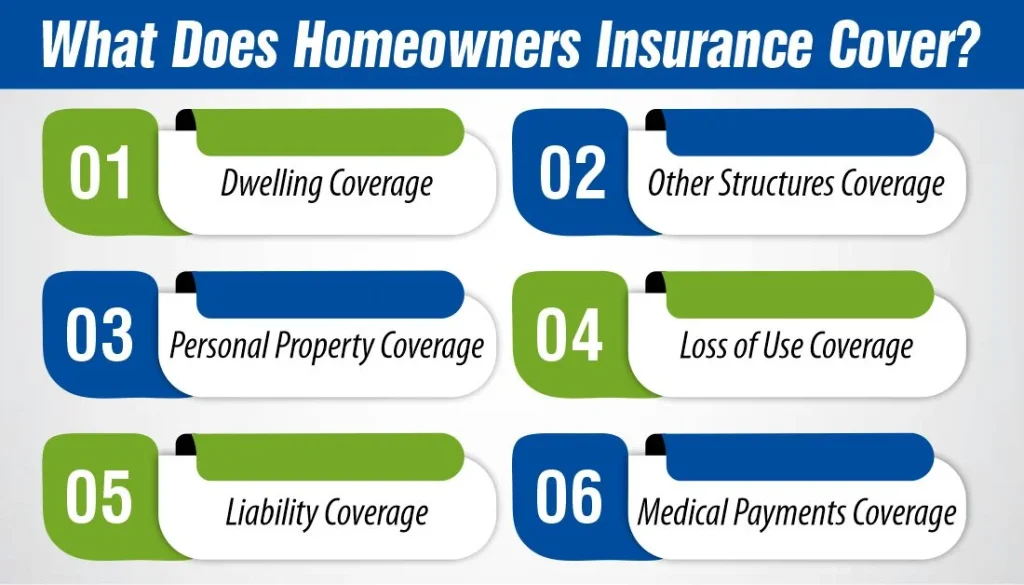
Think of your home insurance policy as a big, warm, slightly bureaucratic hug for your personal possessions. The part of your policy that swoops in like a superhero for theft is usually called “Personal Property Coverage.” This basically covers all the goodies inside your house – from your comfy couch to your ridiculously large collection of novelty mugs. It’s for the things that make your house a home, not just the four walls and a roof.
Must Read
Now, there are usually two main ways your stuff is valued: Actual Cash Value (ACV) or Replacement Cost Value (RCV). ACV is like getting paid for your old, used toaster – what it was worth right before it went missing. RCV, on the other hand, is like getting enough cash to buy a brand-new, shiny toaster just like the one that vanished. Most folks opt for RCV because, let’s be real, who wants to downgrade their toast experience?
Beyond the Walls: When Your Stuff Goes Walkabout
Here's a cool little secret many people don't realize: your personal property coverage isn't just for things stolen from inside your actual house! Let's say you're on vacation, and your luggage decides to go on its own unannounced trip from the airport carousel. Or maybe your laptop vanishes from your car while you're grabbing a latte (the horror!). Or even your trusty bicycle gets swiped from the bike rack at the park.
The good news? Your homeowner’s policy often extends coverage to your belongings even when they're not on your property. It’s like a magical protective bubble that follows your stuff around, albeit usually up to a certain percentage of your main personal property limit. This is a game-changer and definitely worth a little happy dance.
The Not-So-Funny Bits: Deductibles and Deep Dives
Okay, let’s get to the slightly less fun but super important details. Just like when you visit the doctor, there's usually a deductible you have to pay first before your insurance kicks in. So, if your favorite garden gnome goes missing and your deductible is $500, and the gnome was only worth $50, well, you might just be buying a new gnome out of pocket. It’s a cost-benefit analysis, gnome-style.

Also, certain high-value items – think really expensive jewelry, rare art, or that signed baseball collection – might have special limits. If you've got something super valuable, you might need to add a specific endorsement or "rider" to your policy. Otherwise, your insurer might only pay out a fraction of its true value. It's like trying to insure a pet unicorn with a standard dog policy – doesn't quite fit!
And then there’s the whole proof thing. If something's stolen, you'll need to report it to the police (get that police report number!) and show some evidence of ownership. Receipts, photos, even a video tour of your house showing your belongings can be super helpful. So, next time you're spring cleaning, maybe snap a few pics!

So, What's the Takeaway?
The short, sweet, and comforting answer is: yes, homeowner’s insurance typically covers theft, both from your home and often when your items are off-premises. But like anything good in life, there are always a few caveats and details lurking in the fine print.
The absolute best thing you can do? Take five minutes, find your policy (it's probably buried under a pile of junk mail, let's be real), and give it a quick once-over. Or, even easier, call your insurance agent! They're there to help explain the nitty-gritty without making your eyes glaze over. Knowing you're covered, even if something rotten happens, is a pretty great feeling. It’s like a big, secure hug for your peace of mind.