Does Heat In The Car Use Gas

Ever found yourself shivering in your car, debating whether to crank up the heat or suffer in silence to save a few precious drops of fuel? You're not alone! This question is a classic at dinner parties, road trips, and even the local car wash. It's one of those delightful automotive mysteries that many of us ponder but few truly understand. Is your car's heater a silent gas guzzler, or is it a guilt-free luxury? Let's dive into the cozy truth!
Understanding this can not only bring you some peace of mind on a frosty morning but also help you make smarter decisions about your vehicle's energy consumption. Knowing how different systems in your car operate empowers you to be a more informed driver, potentially saving you a tiny bit at the pump and definitely winning you some bragging rights among friends when you debunk a common myth. So, let's turn up the educational thermostat!
Here's the exciting news: using your car's heater is mostly practically free when it comes to fuel consumption! That's right, you can bask in that glorious warmth without feeling like you're draining your tank at an alarming rate. But why is that? The answer lies in how your car actually generates heat, and it's quite ingenious.
Must Read
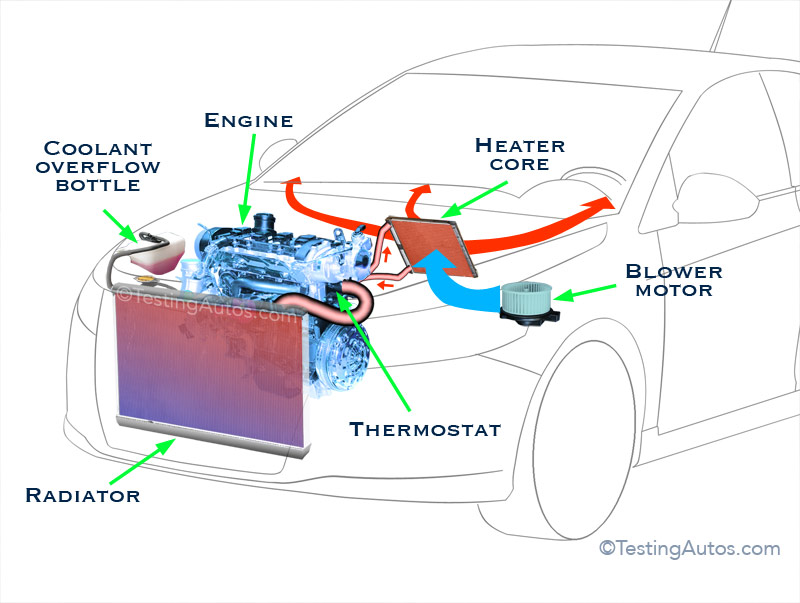
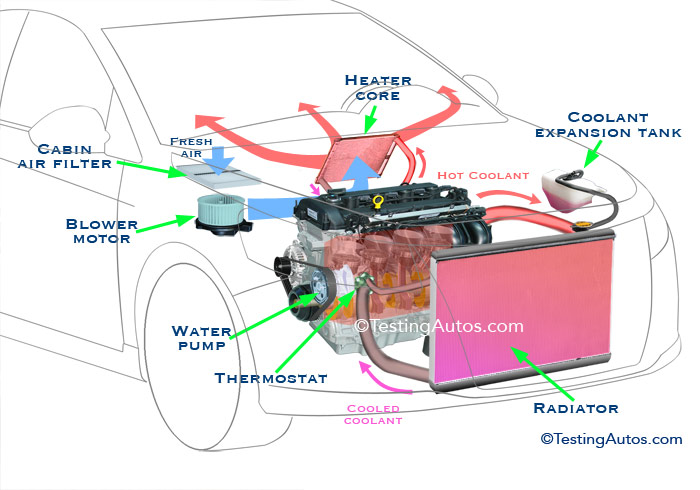
Unlike your car's air conditioning (AC), which uses a compressor that puts a direct load on the engine and thus burns more fuel, the heating system relies on something your engine is already producing in abundance: waste heat. When your engine runs, it gets incredibly hot. To prevent it from overheating, a liquid coolant circulates through the engine block, absorbing that heat. This hot coolant then typically flows through a component called the "heater core," which is essentially a small radiator located within your dashboard.
When you turn on your car's heat, a fan blows air across this toasty heater core, and that warmed air is then directed into your car's cabin. So, you're essentially using a byproduct of the engine's normal operation. The engine is going to generate that heat whether you want it or not, so why not put it to good use?
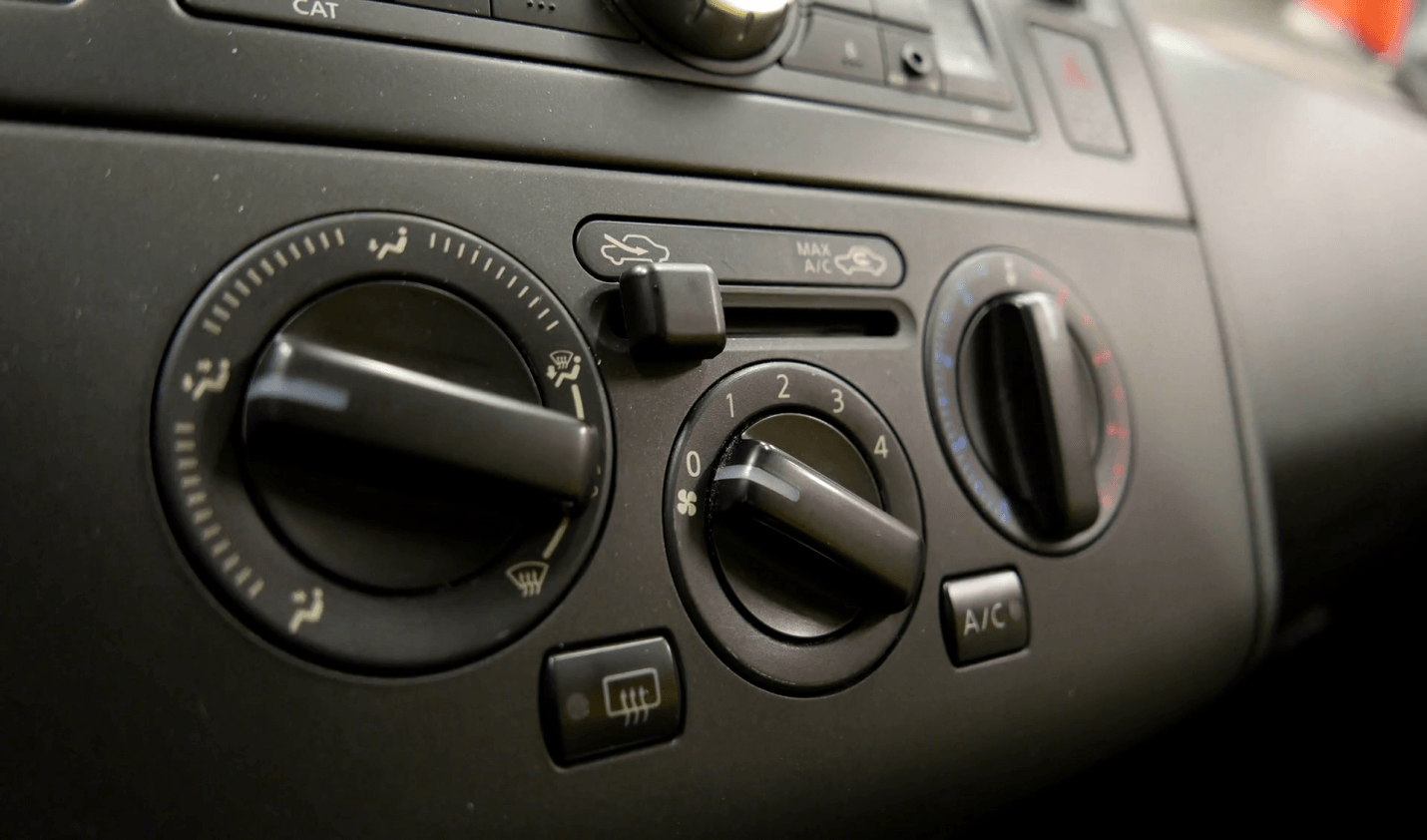
Now, while the heat itself doesn't directly consume extra gas, there are a couple of tiny caveats. The fan that blows the air across the heater core does use a small amount of electricity. This electricity comes from your car's alternator, which is powered by the engine. So, technically, the engine has to work a tiny bit harder to power the fan, leading to a negligible increase in fuel consumption. We're talking about an impact so small it's barely measurable, far less than what your radio or headlights use. Furthermore, if you're running your engine just to get warm while parked, then yes, it's consuming gas, but that's for the engine to run, not specifically for the heat.
So, next time you're feeling chilly in your car, go ahead and crank up the heat! You're primarily utilizing energy that would otherwise be wasted. While driving efficiently – maintaining tire pressure, avoiding aggressive acceleration, and not carrying unnecessary weight – will have a far greater impact on your fuel economy, enjoying a comfortable ride with your heater on is one of the most guilt-free pleasures a driver can have. Stay warm and drive happy!