Does Fast Charging Depend On Cable Or Adapter
Ever stared impatiently at your phone, willing the battery percentage to climb faster? We've all been there! The quest for a quicker charge is a modern obsession, and understanding how to achieve it is surprisingly fascinating. So, let's dive into the burning question: does fast charging depend more on the cable or the adapter?
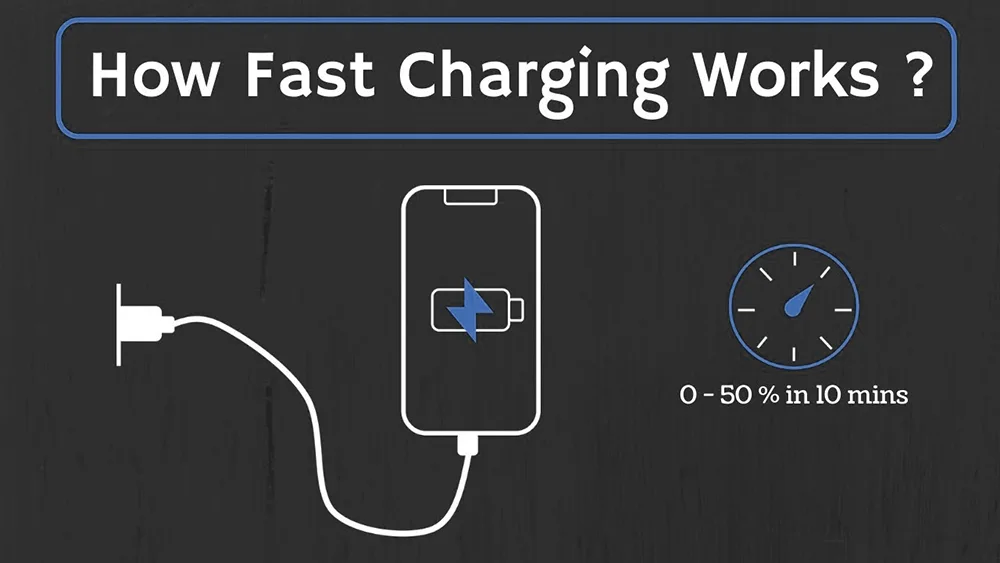
The purpose of fast charging is simple: to juice up your devices much faster than standard charging. The benefits are obvious. Imagine getting a significant battery boost in just minutes, allowing you to power through your day without being tethered to a wall. It's a game-changer for busy lives and those prone to forgetting to plug in overnight!
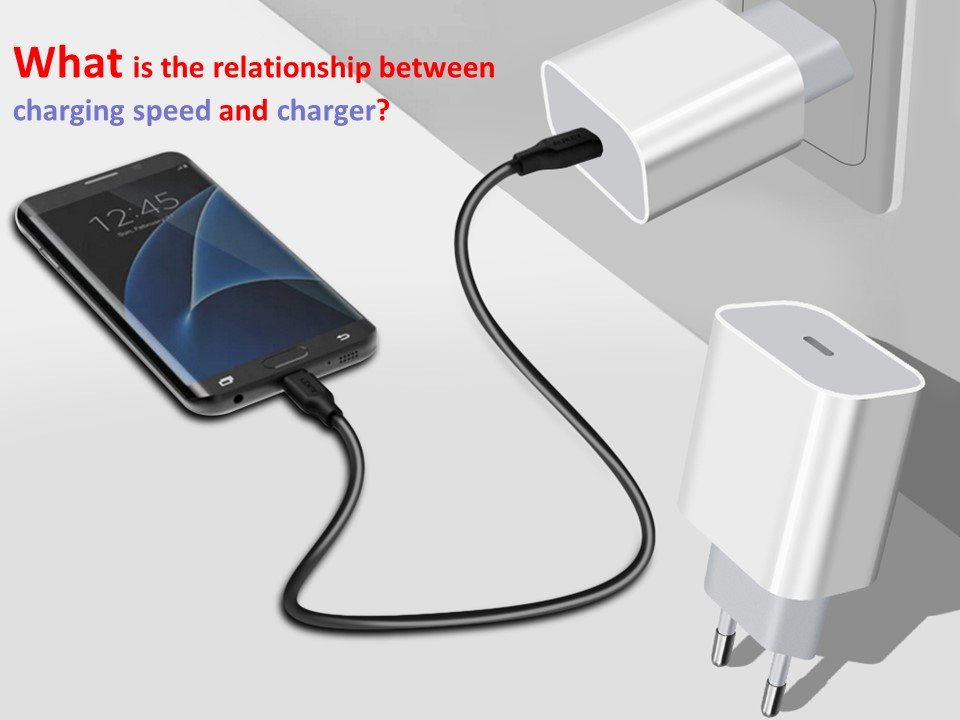
Now, let's get down to brass tacks. The truth is, both the adapter and the cable play crucial roles in fast charging, but the adapter is generally the more important factor. Think of it this way: the adapter is the chef, and the cable is the serving spoon. The chef determines the overall recipe (the voltage and amperage being delivered), while the spoon just needs to be capable of handling what the chef dishes out.
Must Read
The adapter, also known as the wall charger or power brick, is responsible for converting the AC power from your wall outlet into the DC power that your device needs. Fast charging adapters are designed to deliver higher voltage and amperage than standard chargers. Common fast charging standards include USB Power Delivery (USB PD) and Qualcomm Quick Charge. Your phone and the adapter need to support the same standard for fast charging to work effectively.
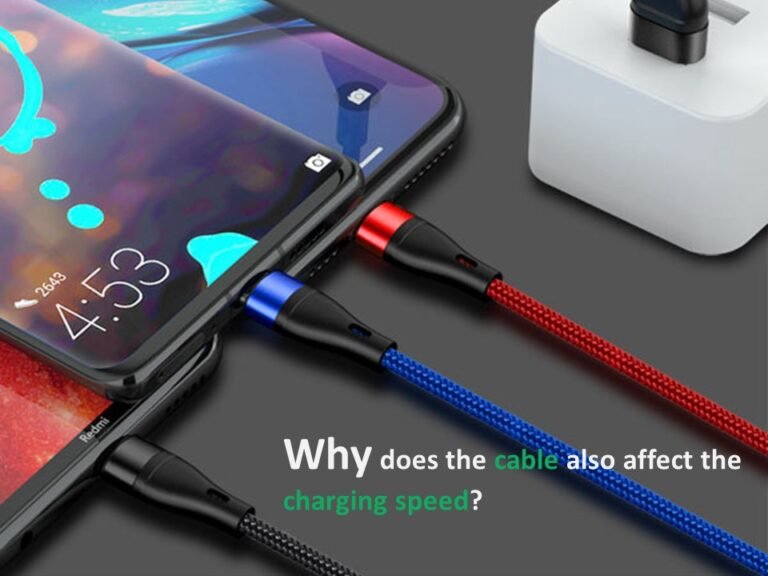
So, where does the cable fit in? The cable's primary function is to safely and efficiently transmit the power from the adapter to your device. A poorly made or damaged cable can restrict the flow of power, negating the benefits of a powerful adapter. Using a high-quality cable that's rated to handle the amperage output of your fast charger is essential. Cheap or generic cables might not be able to handle the increased power, leading to slower charging, overheating, or even damage to your device.
Think of it like a water pipe. A powerful pump (the adapter) can push a lot of water, but if the pipe (the cable) is too narrow or has kinks, the water flow will be restricted. Therefore, always use a cable that is specifically designed or recommended for fast charging. Look for keywords like "fast charging cable" or check the amperage rating on the cable itself. Often, the cable that came with your phone is the best option.
In summary, while a good cable is important to ensure efficient and safe power delivery, the adapter is the driving force behind fast charging. Make sure you have a fast charging adapter that supports the appropriate standard for your device and pair it with a quality cable capable of handling the power. With the right combination, you can say goodbye to agonizingly slow charging times and hello to a quick and convenient power boost!