
Does Ceiling Fans Take A Lot Of Electricity

Okay, let's talk ceiling fans. They're the unsung heroes of our homes, quietly whirring away, promising a gentle breeze on a sweltering summer day. But a question often lingers in the back of our minds: Do these silent sentinels of comfort really guzzle electricity? Are they secretly inflating our bills while we bask in their artificial wind?
The Short Answer (and Why It's Good News!)
The simple answer is: no, not really. In the grand scheme of household appliances, ceiling fans are surprisingly energy-efficient. Think of them as the marathon runners of the electrical world – they can go the distance without burning through a ton of resources. Compared to, say, an air conditioner that's practically sprinting a kilowatt-guzzling sprint, a ceiling fan is a much more economical choice.
Breaking Down the Numbers
Generally speaking, a ceiling fan uses anywhere from 15 to 75 watts of electricity. That's a pretty wide range, but even at the higher end, it's significantly less than other cooling options. To put it into perspective, a typical incandescent light bulb can use 60 watts alone. Imagine the wattage of your entire lighting setup! A single fan is usually less than half of this wattage!
Must Read
Newer models, especially those with Energy Star ratings, are even more efficient, often using less than 30 watts on their highest setting. Look for these when you're shopping for a new fan – they'll save you money in the long run.
Summer vs. Winter: It's All About Direction
Here's a cool (pun intended) fact: ceiling fans aren't just for summer. They can actually help you save energy in the winter, too! The key is to reverse the direction of the blades.
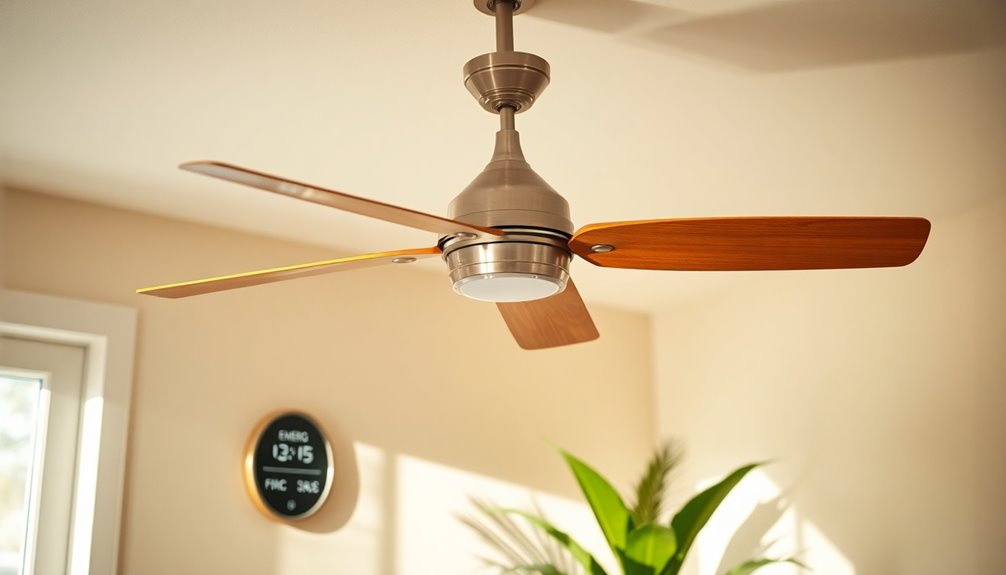
In the summer, you want the blades to turn counter-clockwise (when viewed from below). This pushes air downwards, creating that refreshing breeze. In the winter, switch the fan to turn clockwise at a low speed. This gently pulls warm air that rises to the ceiling back down into the room, helping to distribute the heat more evenly and reducing the strain on your heating system.
Practical Tips for Maximum Efficiency
Alright, let's get down to brass tacks. Here are some easy ways to make sure your ceiling fan is working at its most efficient:

- Turn it off when you leave the room. This sounds obvious, but it's a common mistake. Ceiling fans cool people, not rooms. If no one is there to feel the breeze, you're just wasting electricity.
- Dust those blades! A layer of dust can make the fan work harder and less efficiently. A quick wipe-down every few weeks will do the trick.
- Consider the size of the fan. A larger room needs a larger fan to effectively circulate air. If your fan is too small, it will have to work harder, using more energy.
- Use the right speed. Often times we get into the habit of maxing out the speed of all fans, sometimes turning down the speed can still give us some relief without utilizing max wattage.
Cultural Connection and the History of Fans
Believe it or not, the concept of using fans for cooling dates back centuries. Ancient civilizations, like the Egyptians, used hand-held fans made of feathers or palm leaves. These were often symbols of status and power. While our modern ceiling fans are a far cry from those elaborate creations, they still serve the same basic purpose: to provide relief from the heat.
The Verdict: A Smart Choice
So, are ceiling fans energy hogs? Absolutely not. They're a relatively inexpensive and efficient way to keep cool in the summer and even help distribute heat in the winter. They're a great alternative (or complement) to air conditioning, and they can add a touch of style to your home.
Final thought: next time you switch on your ceiling fan, take a moment to appreciate its quiet efficiency. It's a small but significant way to make your home more comfortable and sustainable. And who knows, maybe you'll even save enough on your energy bill to treat yourself to that fancy coffee you've been eyeing!

