
Does Carbon Monoxide Rise Or Stay Low

Alright, folks, gather 'round! We're about to dive headfirst into one of life's great mysteries. It’s a question that pops up more often than you’d think, usually whispered with a slight furrow in the brow, perhaps over a cup of coffee. We're talking about everyone's least favorite invisible guest: Carbon Monoxide.
Specifically, we're tackling the age-old debate, one that has silently puzzled many homeowners and apartment dwellers alike: Does Carbon Monoxide rise up to the heavens, or does it prefer to hug the floorboards? Get ready, because what you're about to hear might just challenge your internal physics professor.
Prepare to have your assumptions gently, playfully, turned upside down. We're going to explore the truth about this elusive gas, without a single complicated formula in sight!
Must Read
The Great Up vs. Down Debate: Our Gut Feeling
Let's be honest. Our brains are wonderfully wired for certain, undeniable truths. We know hot air rises. We watch smoke from a barbecue gracefully spiral upwards. Balloons filled with helium defiantly float away.
So, it's totally natural to assume that if something dangerous and gaseous is around, it's either going to shoot for the ceiling or sink like a stone, right? Many of us carry this vivid picture in our heads.
Perhaps a silent, deadly gas lurking menacingly at knee-level, ready to pounce on unsuspecting pets. Or maybe it’s an invisible menace wafting innocently upwards, far above our heads, a problem only for giraffes. It’s a common misconception, and frankly, a very human one.
We often hear people confidently state, "Oh, CO is super heavy, it stays low!" They say it with conviction, like it’s a universal law. Or, equally confident, someone will chime in, "Nonsense, all gas rises! It’s basic science!"
It's like a scientific version of "Does a hot dog count as a sandwich?" – everybody has an opinion! This common confusion is totally understandable. We rely on our senses and what we see around us every day.
Why Our Instincts Are Sometimes Off-Kilter
Think about that blissful, warm air flowing from your central heating vent. It definitely rises, swirling around and eventually filling the entire room with comfort. Smoke from a crackling fireplace? Up it goes, dancing into the chimney and out into the sky.
This seems like perfectly logical behavior; lighter, warmer stuff floats. Heavier, cooler stuff sinks. Simple physics, right? But here's where our friend, Carbon Monoxide, decides to play a little trick on our perfectly good intuitions.
It's not exactly hot air, all buoyant and ready to soar. And it's not exactly heavy, visible smoke, clearly rising in a plume. It's a bit of a maverick in the gas world, refusing to conform to our expectations.
So, if you’ve been secretly (or not-so-secretly) wondering whether you should install your new CO detector up high, near the ceiling, or down low, close to the floor, prepare for a delightful twist. It’s time to playfully bust some myths and set the record straight! You're about to become the most informed person at your next dinner party.
The Unpopular Opinion: It’s a Mixer, Baby!
Here's the bombshell, folks, the "unpopular" opinion you never knew you needed to embrace. Ready for it? Drumroll, please! Carbon Monoxide actually mixes pretty evenly with the air around it.
Gasp! I know, I know. It's not as dramatic as a villainous gas slithering along the floor, seeking out unsuspecting ankles. Nor is it a mischievous cloud hovering just out of reach, waiting to pounce. It’s not quite the movie scene we’ve imagined.
But it's the truth, and sometimes the truth is a little less Hollywood blockbuster, a little more… well, everyday chemistry. Chemically speaking, CO is slightly lighter than normal air. We're talking about a difference so small, it’s almost negligible in a typical room setting.
Think of it like a single feather trying to fly against a strong breeze in your living room – it's not going to shoot to the ceiling like a helium balloon that just escaped a child's grasp. Instead, picture a dash of creamer gracefully swirling into your hot coffee.
You pour it in, and it doesn't just sit stubbornly on the bottom, or float permanently on top, does it? With a gentle stir, or even just the natural convection currents within the cup, it quickly disperses and spreads out. Voila! It mixes.

"Forget the fancy acrobatics; Carbon Monoxide is less of a high-flyer and more of a social butterfly, quite content to mingle with all the other gases in the room, making friends with oxygen and nitrogen alike."
That's exactly what happens with CO in a room, a house, or any enclosed space. It doesn't neatly stratify into layers like a fancy cocktail. Room temperatures fluctuate, people move, air currents (even imperceptible ones) stir things up, and the gas disperses. It becomes part of the breathable atmosphere.
Why This Mixer-Behavior Matters So Much
This delightful mixing behavior is absolutely, crucially key to understanding CO safety. If it always stayed stubbornly low, we'd only have to worry about our curious pets and crawling toddlers. If it always rose obediently to the ceiling, we'd just need really tall ladders for our detectors and perhaps a good pair of stilts.
But because it mixes, it means that if there's a leak, CO will eventually find its way throughout the entire space where the air is moving. It doesn't play favorites with floor levels or ceiling heights. It's an equal-opportunity contaminator.
Imagine your furnace developing a quiet, hidden fault in the basement. That CO isn't going to politely wait downstairs, minding its own business. Oh no. It's going to find open vents, stairwells, cracks under doors, and any other path to spread its unwelcome presence throughout your home, creeping into every corner.
Or picture a car left running for just a few minutes in an attached garage. The exhaust fills that space quickly, but given enough time and any open door leading into the house, that toxic air starts to drift, diffuse, and disperse right into the living areas. It doesn't neatly pool just in the garage. It travels.
Consider a portable generator being used too close to a window. The fumes don't just hang outside. They enter the house and start to mix with the indoor air. This gas is a true infiltrator, not a floater or a sinker.
The Real Danger: Invisible, Odorless, and Indiscriminate
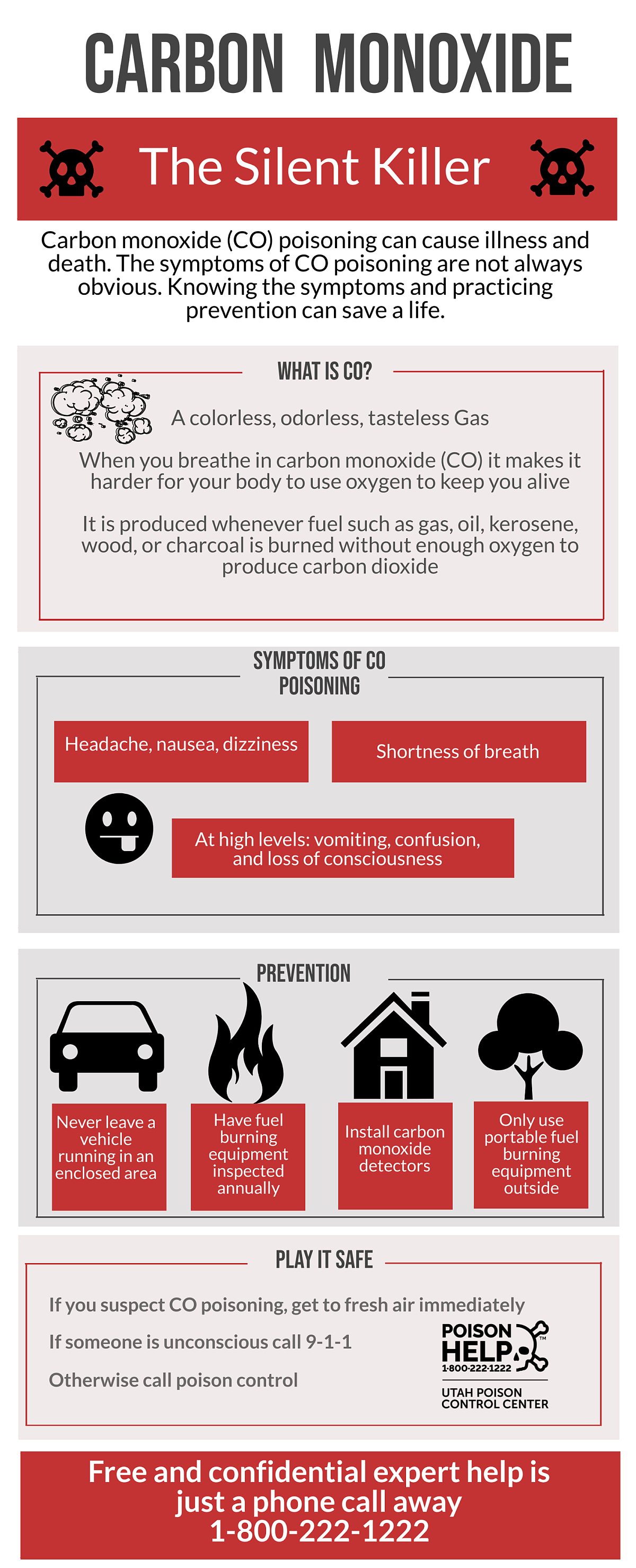
Here's why this gas is such a sneaky villain and why its mixing ability is so terrifying: It’s truly invisible. It's utterly odorless. And you absolutely cannot taste it. It doesn't have a warning color like red or green. It doesn't smell like rotten eggs to alert you (that's natural gas, a different beast!). You can't even get a hint of it on your tongue.

It’s the ultimate silent assassin, a master of disguise. You won't know it's present in dangerous concentrations until insidious symptoms start to appear – a headache, dizziness, nausea. And by then, it can be dangerously, tragically late.
This is precisely why arguing about whether it rises or falls, or stays low, is a bit of a red herring, a distraction from the real issue. The truly vital discussion should always be about active detection and proactive prevention.
"The single most important thing to remember about Carbon Monoxide isn't where it prefers to hang out, but that it's present wherever the air is – ready to be breathed in, unnoticed."
Its true, insidious danger lies not in its preferred vertical location, but in its ability to quickly and thoroughly permeate an entire enclosed environment, becoming part of the air you breathe without any warning.
So, Where DO We Put the Detector, Already?
Ah, the million-dollar question, the practical dilemma! If it mixes so evenly, does it even matter where the detector goes? Yes, it absolutely does, but perhaps not for the intuitive "it rises/falls" reasons you might originally think.
Many manufacturers wisely recommend placing detectors near sleeping areas. Why this specific spot? Because you and your loved ones are most vulnerable when you're asleep. You won't notice the early, subtle symptoms like a growing headache or a vague feeling of dizziness. An alarm needs to wake you.
They also often suggest a mid-level height on a wall, or even on the ceiling. This isn't because CO has a secret favorite spot to congregate vertically, like a shy teenager at a party.
It's more about practical considerations: optimal airflow patterns in a room, where humans typically breathe in their living spaces, and minimizing false alarms from things like stove burners or fireplaces. Some devices are specifically designed to detect it most effectively at typical head height, where humans are most susceptible to breathing it in.

The absolute, most crucial takeaway? Always, always read the specific instructions that come with your specific Carbon Monoxide detector! Each model and brand might have slightly different recommendations based on its unique design, sensor placement, and sensitivity. Don't guess.
Don't fall prey to old wives' tales, anecdotes from your great-aunt Mildred, or endless internet forum debates about gas dynamics. Follow the expert advice provided by the very smart people who designed your detector. They know best.
The Takeaway: Detect, Don’t Debate
So, next time someone confidently declares that Carbon Monoxide always rises, or always sinks to the floor, you can offer them a knowing, playful smile. You, my friend, are now armed with the delightful truth.
It's a mixer! It’s a socialite! It doesn't care one bit about your preconceived notions of gas behavior or how hot air behaves. It just spreads out, ready to become a serious, silent problem if left unchecked.
The real heroes in this vital story aren't gravity or buoyancy, but those clever, chirping CO detectors. They are your vigilant early warning system, regardless of whether the gas decides to sip tea at the ceiling or play hopscotch on the floor.
"Stop guessing about the whimsical gas dynamics of the air in your home. Instead, start investing in absolute peace of mind. Get a Carbon Monoxide detector (or several, for good measure!)."
Stay safe out there, folks. Keep your homes delightfully well-ventilated, ensure you maintain your fuel-burning appliances with regular check-ups, and most importantly, equip yourself with those clever little detectors. They don't care about popular opinions or old myths, they just care about keeping you and your loved ones safe.
And now you can confidently say you've got the real scoop on Carbon Monoxide's true, mingling nature. No need for a fancy physics degree or a deep dive into molecular weights, just a healthy dose of awareness and a few good detectors. You’re welcome!