Does Carbon Monoxide Detector Detect Natural Gas
Let's face it, peace of mind is a luxury we all crave, especially when it comes to the safety of our homes and loved ones. We relish the feeling of security, the assurance that potential dangers are being monitored and mitigated. That's why devices designed to protect us, like carbon monoxide (CO) detectors, are so essential. They offer a silent, ever-vigilant safeguard against a truly insidious threat.
The primary benefit of a carbon monoxide detector is its ability to warn us of dangerous CO levels in our homes. Carbon monoxide is a colorless, odorless, and tasteless gas, making it virtually undetectable without specialized equipment. It's a byproduct of incomplete combustion, meaning it's produced when fuels like natural gas, propane, wood, or gasoline don't burn completely. This can happen in faulty furnaces, stoves, water heaters, fireplaces, and even cars left running in attached garages. The purpose of the detector is simple: to alert you to the presence of this deadly gas before it reaches dangerous levels, potentially saving lives.
We see CO detectors applied in a myriad of ways. Most commonly, they're installed in homes, near sleeping areas. Many building codes now require them in new construction and renovations. They're also vital in recreational vehicles (RVs), boats with enclosed cabins, and any other space where fuel-burning appliances are used. Some CO detectors are standalone units powered by batteries, while others are hardwired into the home's electrical system with battery backup. Combination CO and smoke detectors are also popular, offering dual protection in a single device.
Must Read
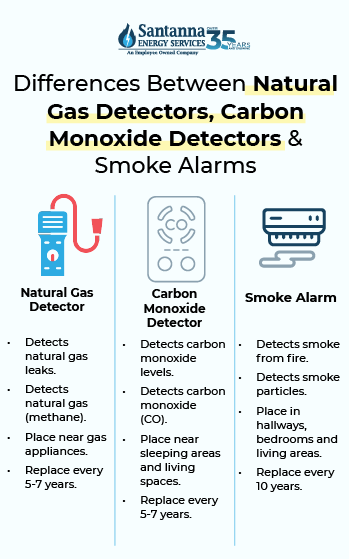
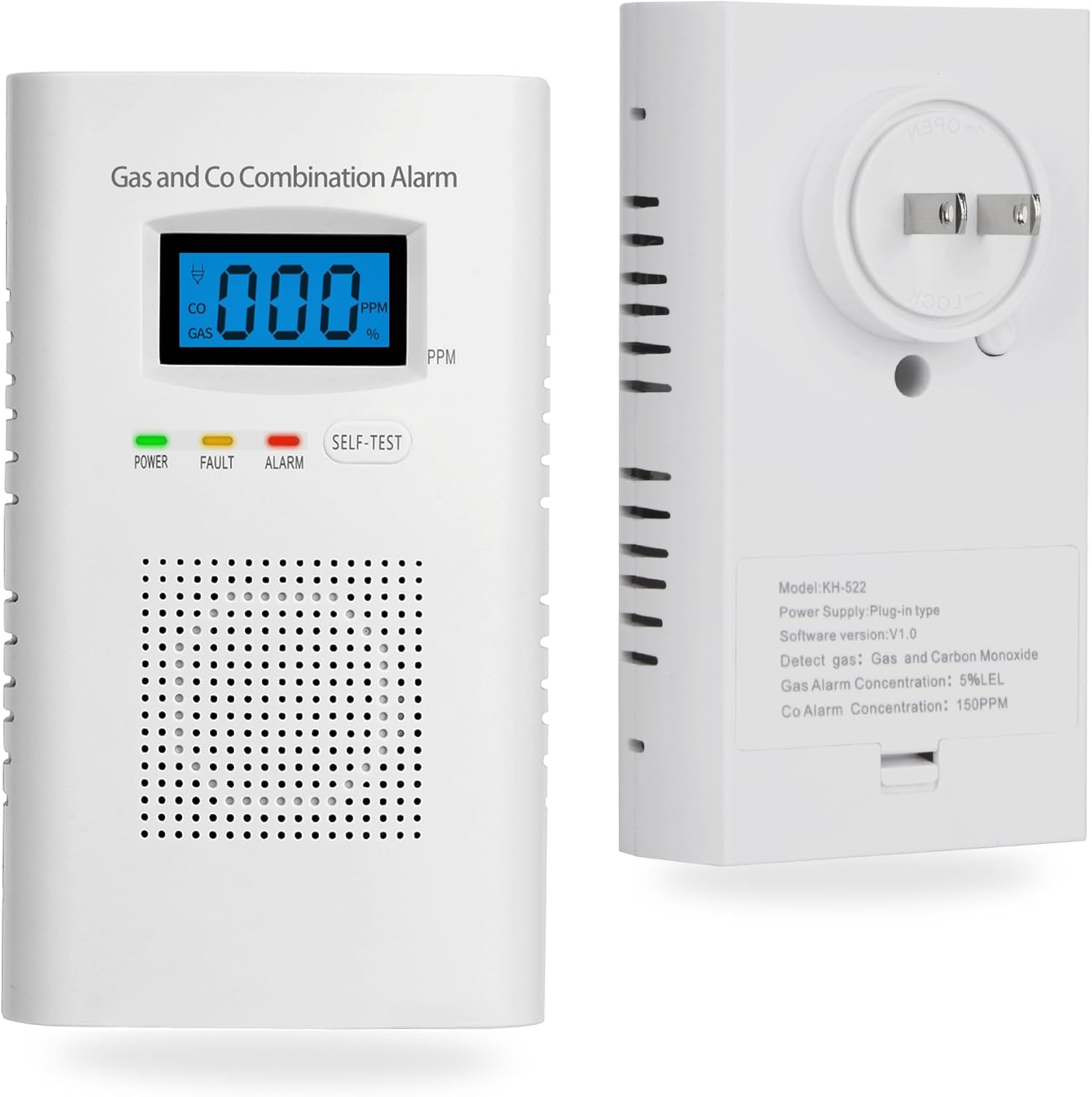
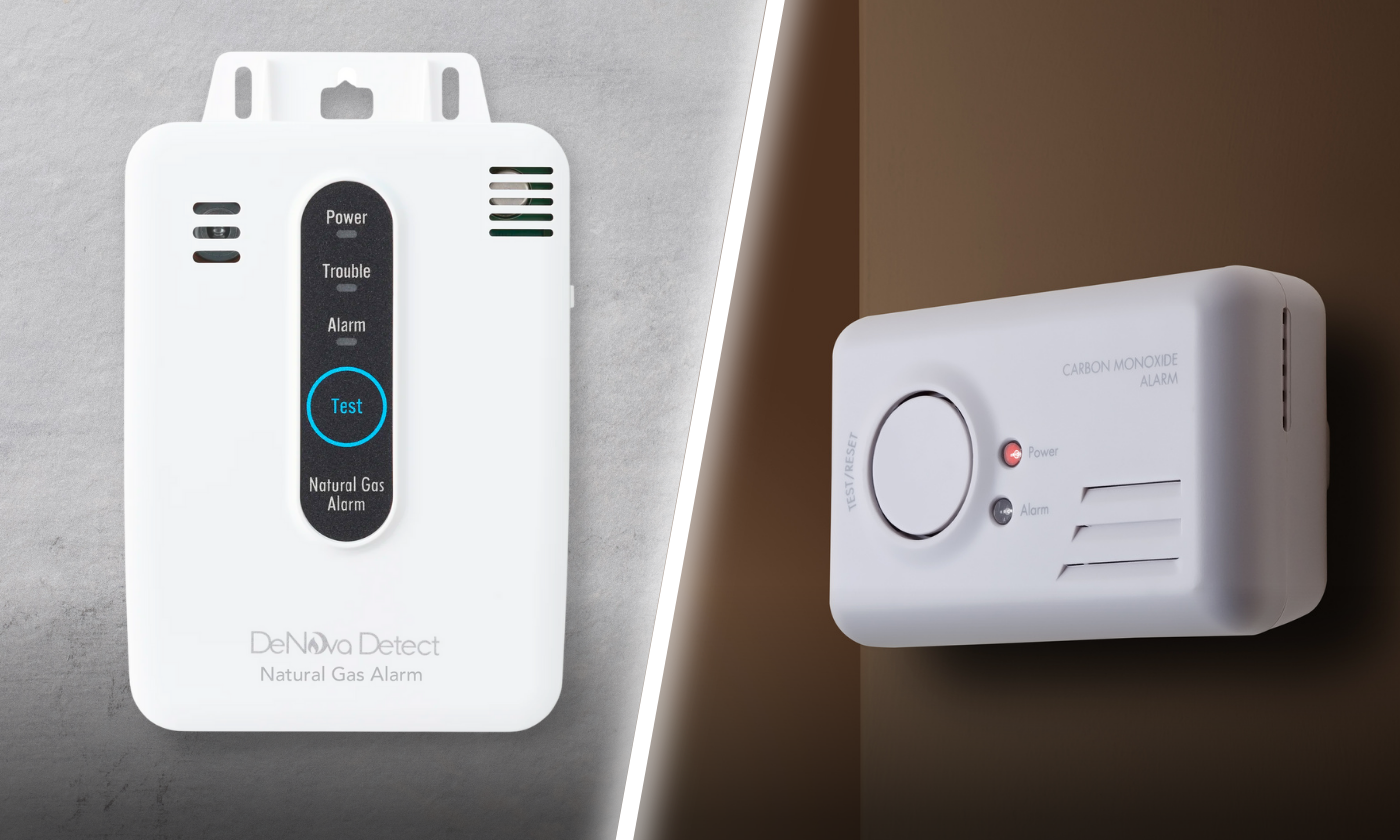
Now, to the burning question (pun intended): Does a carbon monoxide detector detect natural gas? The simple answer is no. A carbon monoxide detector is specifically designed to detect carbon monoxide. Natural gas, primarily methane, is a different gas altogether. While a malfunctioning appliance burning natural gas can produce carbon monoxide, the CO detector is responding to the presence of CO, not the natural gas itself.
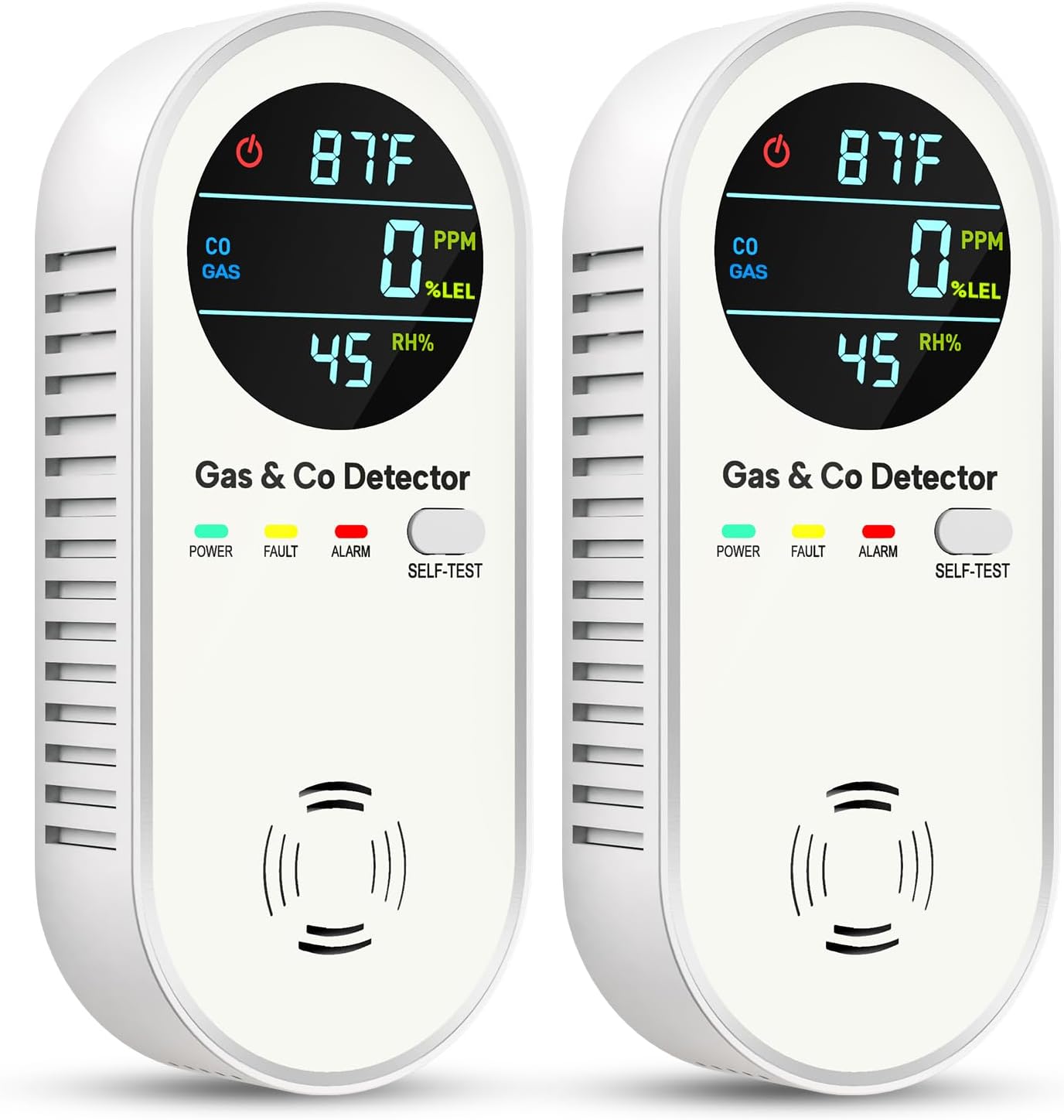
For natural gas detection, you need a separate natural gas detector. These detectors are designed to sense the presence of methane and other gases that make up natural gas. They are often equipped with sensors that react specifically to these gases, triggering an alarm when they reach a certain concentration. Because natural gas leaks can also be dangerous, leading to explosions or asphyxiation (though it's usually mixed with an odorant to make it detectable), it's crucial to have the right detector for the specific hazard.
To enjoy the peace of mind that these detectors provide more effectively, follow these practical tips. First, ensure you have the correct type of detector for the potential hazards in your home. Second, test your detectors regularly – at least once a month – to ensure they are functioning properly. Third, replace batteries annually (or as recommended by the manufacturer). Fourth, replace the entire detector unit every five to ten years, as the sensors can degrade over time. Finally, and perhaps most importantly, understand the difference between a CO detector and a natural gas detector and ensure you have the appropriate protection for your home.