
Does Burning Natural Gas Produce Carbon Monoxide
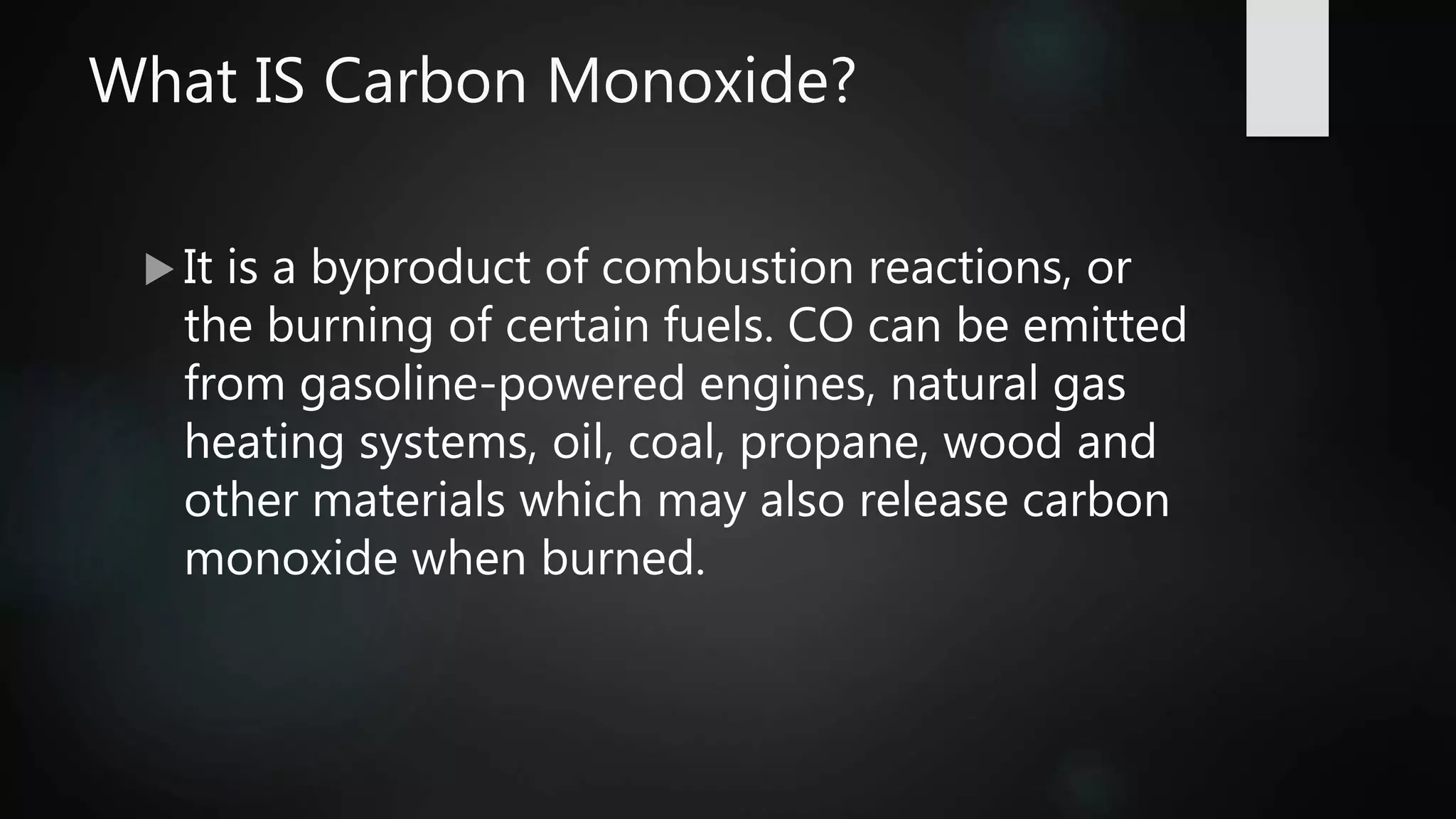
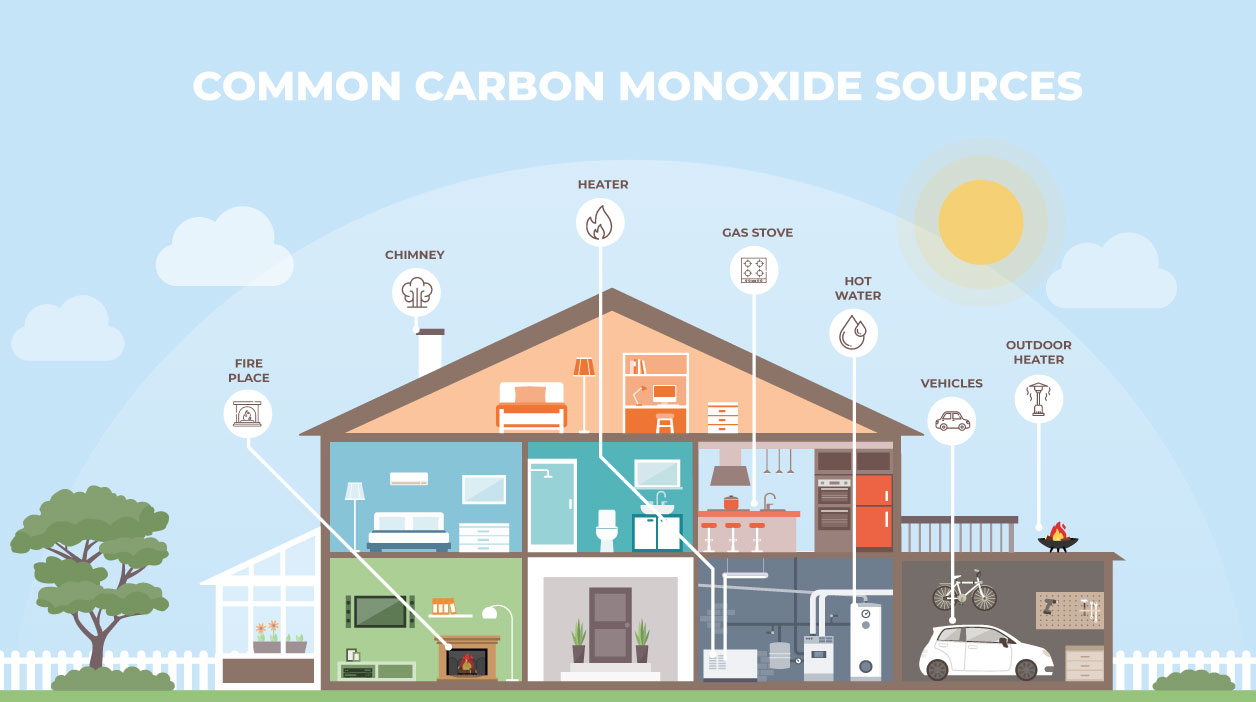
Alright, pull up a chair, grab a virtual coffee (or maybe something stronger, depending on how your day's going), and let's talk about something surprisingly exciting: carbon monoxide and your natural gas furnace. I know, I know, sounds like a snooze-fest, right? But trust me, it's got more twists and turns than a mountain road driven by a caffeinated squirrel.
The question we're tackling today, the burning (pun intended!) question, is: Does burning natural gas produce carbon monoxide?
Well, buckle up, buttercup, because the answer is… sort of. Think of it like this: a toddler sort of cleans their room by shoving everything under the bed. Technically, the floor is clear, but we all know what’s really going on.
Must Read
The Ideal Burn: A Fairytale
In a perfect world, where unicorns delivered our mail and taxes were optional, burning natural gas (which is mostly methane, CH4, for you science nerds) would result in only two things: carbon dioxide (CO2) and water (H2O). You know, the stuff plants love and the stuff we drink (hopefully not at the same time). This is called complete combustion. Think of it like a perfectly executed soufflé – light, airy, and leaving no trace of eggy sadness behind.
The chemical equation, if you’re into that sort of thing, looks like this:
CH4 + 2O2 → CO2 + 2H2O
See? All sunshine and rainbows. Clean, efficient, the kind of burn that would make a Boy Scout proud.
Reality Bites: When Things Go Wrong
But… (and you knew there was a "but" coming, didn’t you?)… reality is a messy beast. We don't live in a unicorn-powered utopia. We live in a world of slightly-too-small oxygen supplies, burners that haven’t been cleaned since the Reagan administration, and pilot lights that flicker with the existential dread of a philosophy major facing student loan debt. In other words, incomplete combustion happens.
Incomplete combustion is like that toddler and their under-the-bed cleaning strategy. You think things are okay, but lurking beneath the surface is a whole host of problems, including our old friend, carbon monoxide (CO). The "O" in CO is sad because it's missing another "O" to be happy and stable like CO2. It’s a lonely, desperate molecule, and it wants to bond with anything it can get its grubby little electrons on… especially your blood.
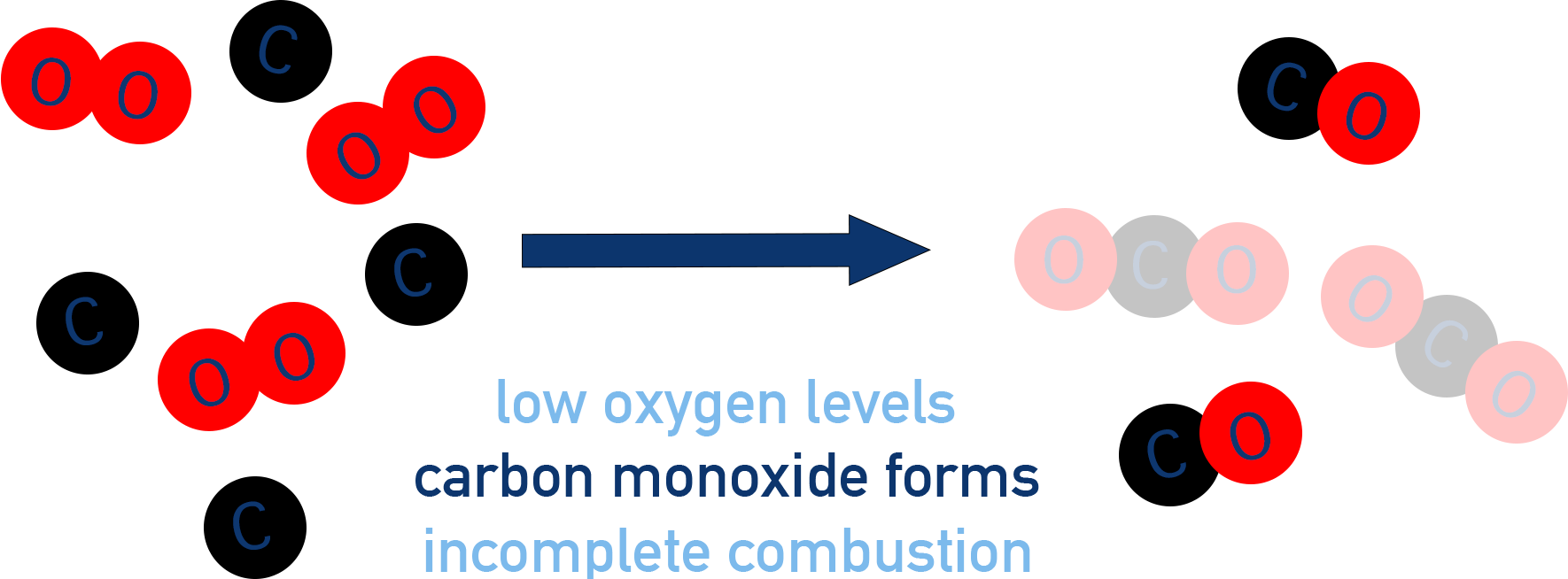
The chemical equation for this less-than-ideal scenario looks something like this (simplified, because let's be honest, who wants to see a full organic chemistry equation right now?):
CH4 + Less O2 → CO + Other Gross Stuff
The "Other Gross Stuff" includes things like soot, unburned hydrocarbons (yuck!), and a general feeling of impending doom (okay, maybe I made that last one up… maybe).

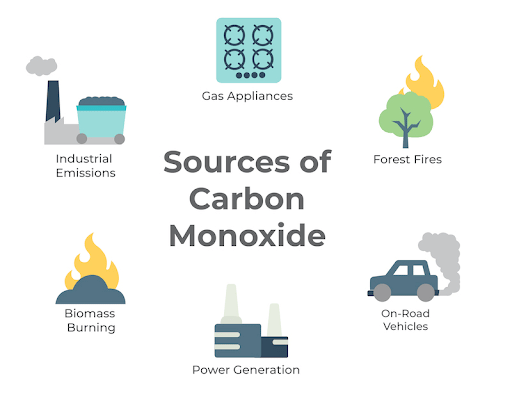
So, yes, burning natural gas can produce carbon monoxide. It's not supposed to, but if your equipment isn't functioning properly, or if there's not enough oxygen around, that sad little CO molecule will rear its ugly head.
Why You Should Actually Care (and not just pretend to)
Okay, I've been making jokes, but this is actually serious business. Carbon monoxide is colorless, odorless, and deadly. It's the ninja of the gas world, silently sneaking up on you and replacing the oxygen in your blood. Not cool, CO, not cool.
Symptoms of carbon monoxide poisoning can include: headache, dizziness, nausea, vomiting, confusion, and eventually, unconsciousness and death. Basically, it feels like a really bad hangover, only without the fun memories of why you're hungover.
The good news is, you can protect yourself! Here's the lowdown:
- Install carbon monoxide detectors. Seriously, this is a no-brainer. Put them near sleeping areas. Test them regularly. Treat them like the tiny, plastic lifesavers they are.
- Have your natural gas appliances inspected annually. A qualified technician can make sure everything is running smoothly and efficiently. Think of it as a spa day for your furnace.
- Never use gas ovens or ranges for heating. They are not designed for that purpose and can produce dangerous levels of CO. It's like trying to use a spatula to build a house – it's just not the right tool for the job.
- If your CO alarm goes off, evacuate immediately and call the fire department or 911. Don't try to be a hero. Just get out.
So, there you have it. The surprisingly exciting (okay, maybe just mildly interesting) truth about carbon monoxide and natural gas. Stay safe, stay informed, and for goodness sake, check your CO detectors!
Now, if you’ll excuse me, I’m going to go hug my carbon monoxide detector. You know, just to show it some love.