
Does An Electric Stove Use Gas
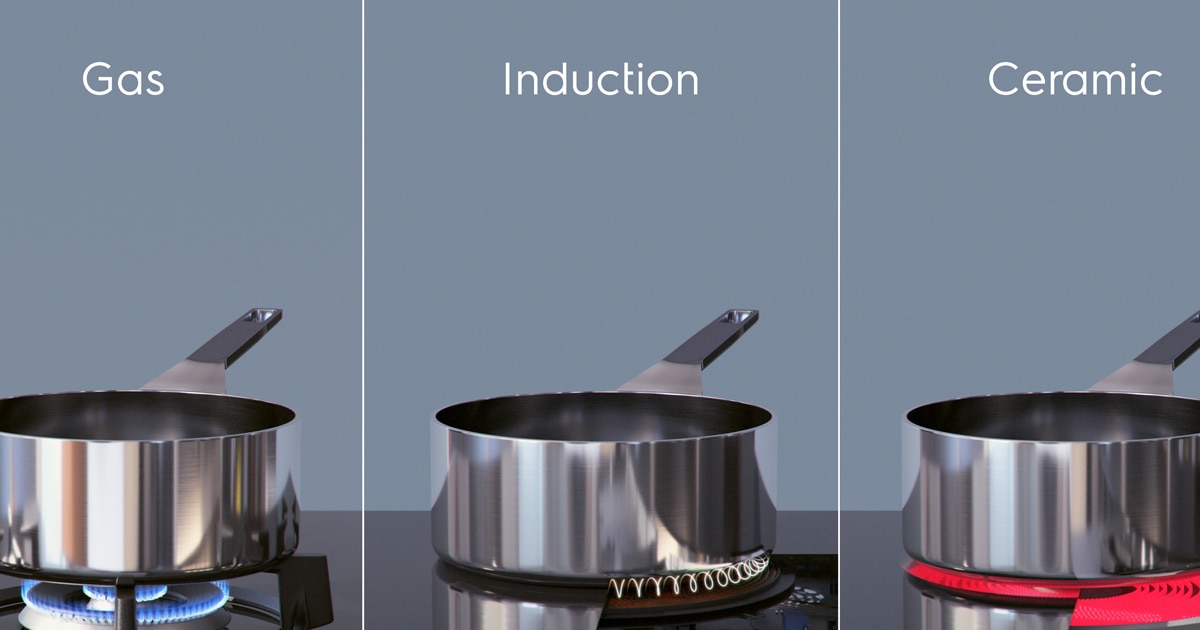
So, there I was, sipping my latte, trying to figure out if my brain had enough caffeine to tackle Tuesday, when my friend, bless her cotton socks, leaned in conspiratorially and whispered, "Okay, serious question. Does an electric stove... use gas?"
I almost choked on my foam. It was like asking if a fish needs a bicycle to get to work, or if a toaster secretly runs on diesel. My eyebrows probably did a little dance of confusion right up to my hairline.
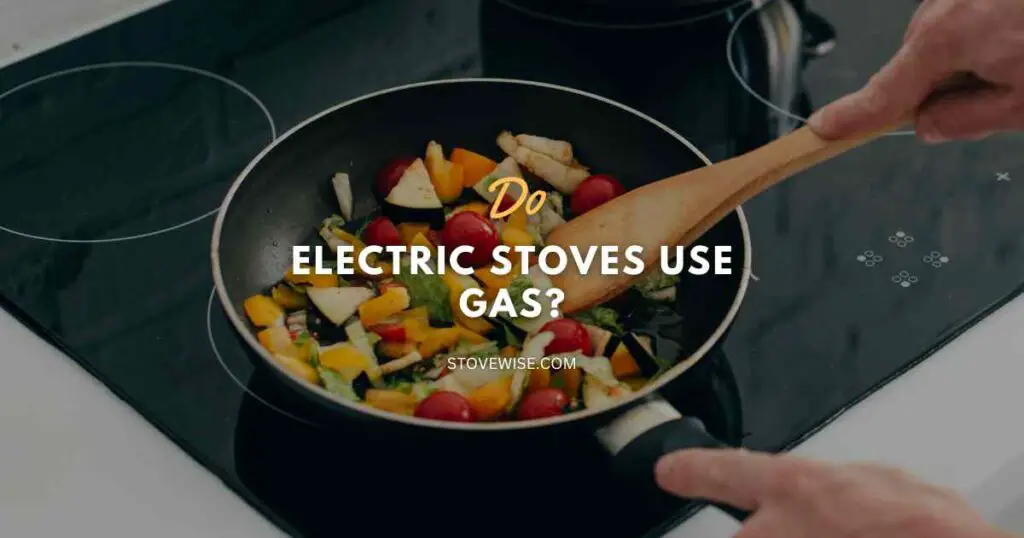
Let's get this out of the way right upfront, with all the certainty of a cat judging your life choices: absolutely not. An electric stove, by its very nature, is powered by... wait for it... electricity!
Must Read
There are no secret hidden gas lines winding their way into your sleek electric range, no tiny, overworked squirrels furiously pedaling a miniature gas generator under your countertop. Just good ol' electrons, zipping through wires, converting electrical energy into glorious heat.
Imagine plugging in your modern, glass-top electric range and then wondering where you're supposed to connect the propane tank. You'd be staring at it like it owed you money, and it would just silently judge you back with its glowing induction coils or radiant elements.
The Great Energy Smoothie: Where Electricity Comes From
Now, hold on a minute, before you walk away thinking this is an open-and-shut case, like "Is water wet?" (Spoiler: yes, it is, and it's also delicious). There's a delightful little twist in this culinary mystery.
While your electric stove itself isn't guzzling natural gas directly, the electricity it uses has to come from somewhere, right?
And that, my friends, is where our plot thickens faster than gravy on Thanksgiving.
Think of it like this: your electric stove, whether it's an old-school coil model, a fancy smooth-top, or a futuristic induction unit, is a hungry beast, demanding a constant flow of power. Where does that power originate? Well, it's a bit of a global potluck, actually.
Across the vast, sprawling network of power grids, electricity is generated in all sorts of fascinating ways. Some power plants are fired up by... you guessed it! Natural gas. They burn it to heat water, create steam, and spin giant turbines to make electricity.
Others might be chugging along on coal, making steam like a magnificent, soot-covered dragon. Or harnessing the mighty atom in nuclear power plants, splitting things smaller than your ability to remember where you left your car keys.
And then, of course, we have the superheroes of sustainability: wind turbines gracefully slicing through the air, solar panels sunbathing on rooftops, and hydroelectric dams taming raging rivers. These are the unsung heroes of clean, gas-free electricity generation.
So, when you flip that switch on your electric stove to boil water for your pasta, you're tapping into this giant, invisible smoothie of energy sources. It's like a cosmic lottery – you never quite know if the electron sizzling your bacon started its journey from a gas plant or a solar farm.
Why This Indirect Connection Matters
This isn't just a fun fact to drop at your next dinner party (though, please do! You'll sound incredibly sophisticated). It actually has implications beyond just knowing how your eggs get cooked.
If you're thinking about your carbon footprint, knowing where your electricity comes from is pretty darn important. An electric stove in a region powered mostly by renewables is a much greener beast than one hooked up to a grid dominated by fossil fuels.
It's like choosing between a veggie burger and a double cheeseburger – both are delicious in their own way, but one has a decidedly different story behind its existence, and a different impact on the world around us.
Gas vs. Electric: A Culinary Showdown
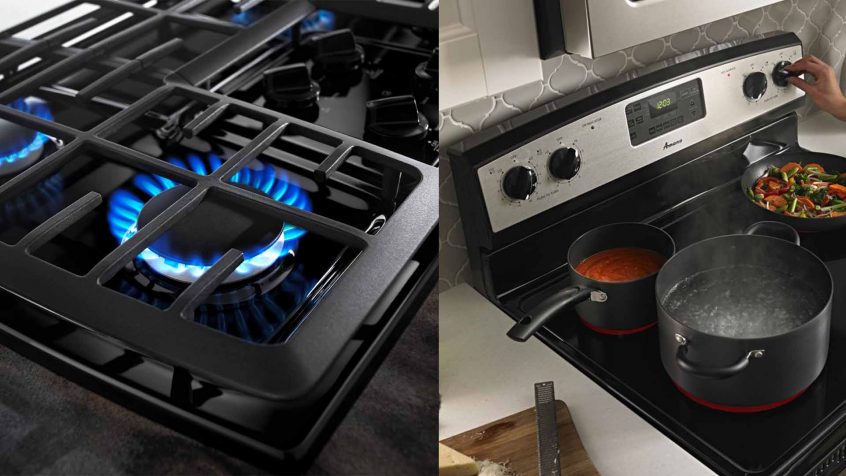
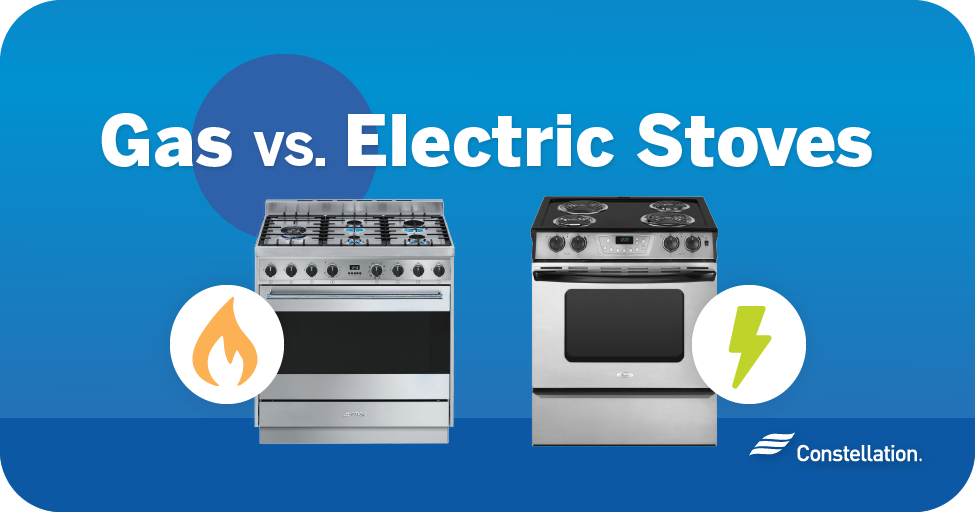
So, if you're weighing up a traditional gas stove (which, yes, definitely uses gas directly, like a hungry lion devouring a gazelle) versus an electric one, you've got different things to consider.
Gas stoves are famous for their instant heat control – turn the knob, flame appears, magic happens. Electric coil stoves can be a bit slower to respond, like waiting for your computer to boot up on a Monday morning.
But then you have induction electric stoves, which are like the Usain Bolt of the culinary world. They heat pots and pans with electromagnetic wizardry, often faster and more efficiently than gas, and are safer too – no open flame, no hot surfaces once the pan is removed.

And remember, that direct gas line to your gas stove is a single-source deal. With electric, you're part of that wonderfully diverse, ever-changing energy cocktail from the grid.
So, does an electric stove use gas? Directly? No, absolutely not. That's like asking if your smartphone runs on wood pellets. It would be a very confusing, smoky phone.
But could the electricity powering it have originated from a gas-fired power plant somewhere down the line? Absolutely. It's a subtle distinction, but an important one for all you curious cooks and energy enthusiasts out there.
Now, if you'll excuse me, I think I hear my coffee machine plotting world domination. Probably not with gas, though. Unless it's a very fancy, artisanal coffee machine with a tiny, hidden Bunsen burner. Stranger things have happened.