
Does An Electric Heater Produce Carbon Monoxide
Okay, so you're huddled around your electric heater, feeling that sweet, sweet warmth chase away the winter blues. Maybe you're binge-watching your favorite show, armed with a blanket and a mug of something hot. Life is good. But then that little worry-wart voice in the back of your head pipes up: "Wait a minute… carbon monoxide! Am I gonna wake up… not waking up?"
We've all been there. Those random anxieties that pop up at the most inconvenient times. It's like when you're halfway through a delicious sandwich and suddenly wonder if the lettuce was washed properly. Ugh!
So, let's tackle this electric heater carbon monoxide conundrum head-on, shall we? The short answer is a resounding NO! Electric heaters do NOT produce carbon monoxide. Breathe easy, friend.
Must Read
But why? Why are we so sure? Let's break it down in a way that even I, a person who once tried to bake a cake with dish soap (don't ask), can understand.
What is Carbon Monoxide, Anyway?
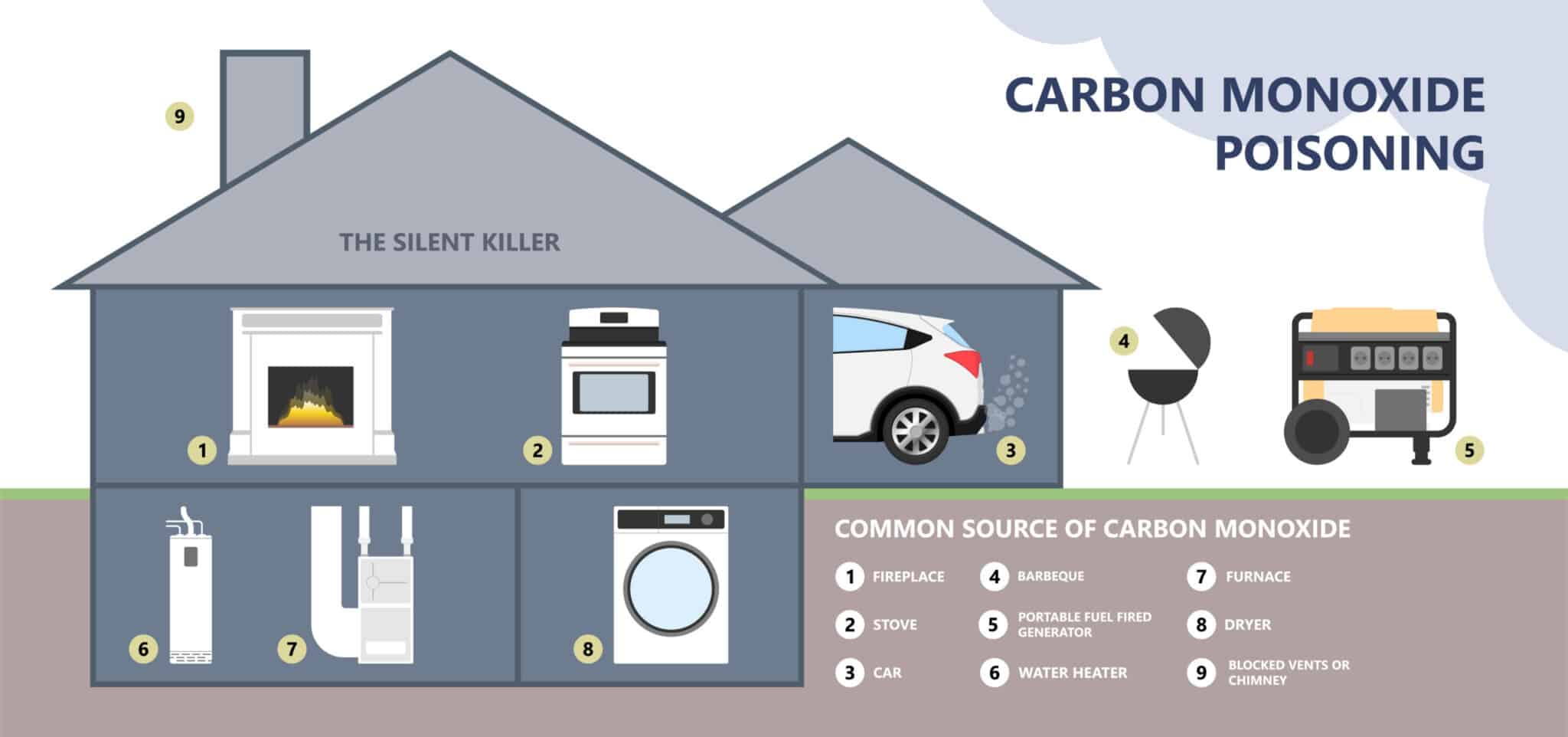
Carbon monoxide (CO) is a sneaky, odorless, colorless gas. It's a real jerk. It's produced when fuels like gas, propane, wood, or kerosene don't burn completely. Think of it like this: your car is supposed to hum along, burning fuel efficiently, like a well-oiled machine. But if something goes wrong, it starts spewing out nasty fumes. Carbon monoxide is one of those nasty fumes.
Now, imagine your gas furnace. It's burning natural gas to heat your home. If the ventilation isn't working right, or there's a crack in the heat exchanger, that CO can leak into your house. Not good! That's why carbon monoxide detectors are so important – they're like little sentinels, guarding your home from this invisible threat.
Carbon monoxide is created by combustion, or burning. This is the key point!
Electric Heaters: The Sparkly Clean Option
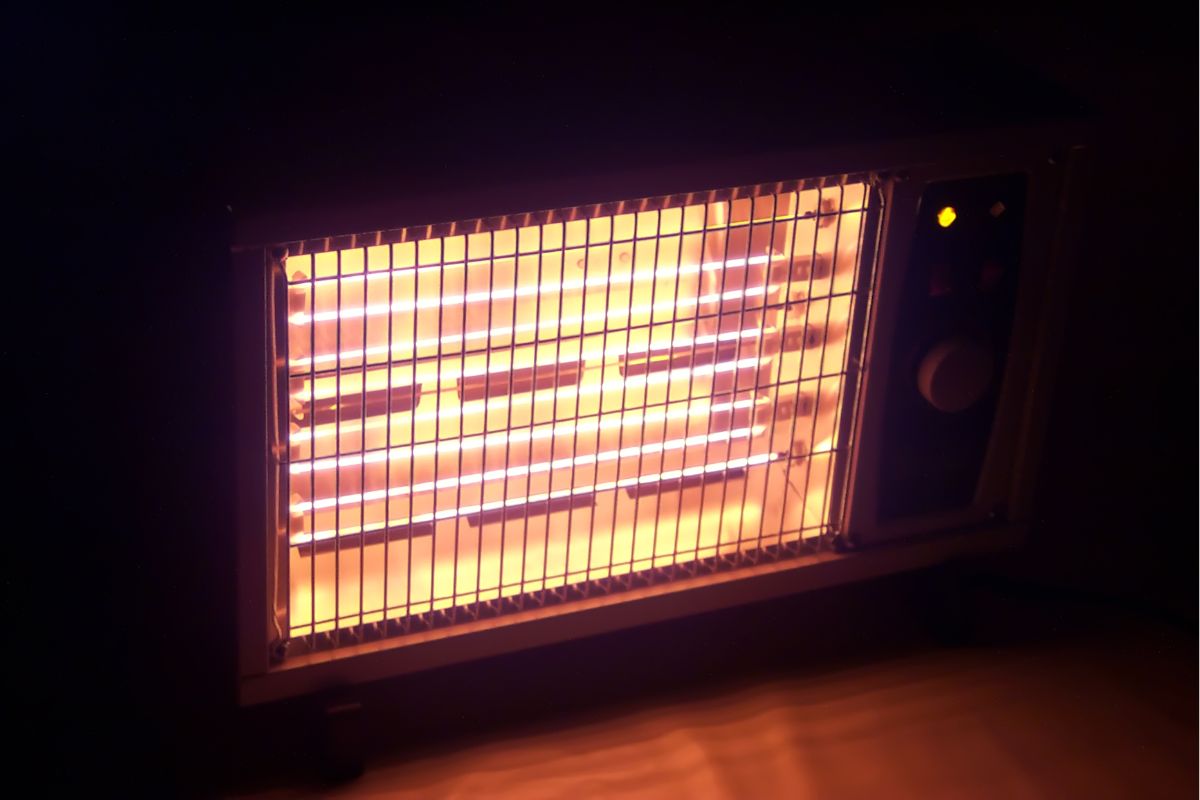
Electric heaters, on the other hand, don't burn anything. They use electricity to heat up a coil or element. Think of it like a giant lightbulb, but instead of producing light, it produces heat. There's no fuel being burned, no combustion happening. Therefore, no carbon monoxide!
It's like comparing a candle to a light switch. The candle burns wax to create light and heat (and potentially releases CO if it doesn't burn cleanly). The light switch simply turns on an electrical circuit that heats a filament in the bulb. No burning involved!
So, while you might still worry about accidentally setting your curtains on fire (keep your heaters away from flammable materials!), you can cross carbon monoxide off your list of concerns.
Think of your electric heater as the environmentally conscious, carbon monoxide-free superhero of your living room.
But Wait, There's Always a "But…"
Okay, I know what you're thinking: "But what if my electric heater is REALLY old and rusty? Could it somehow produce CO then?"
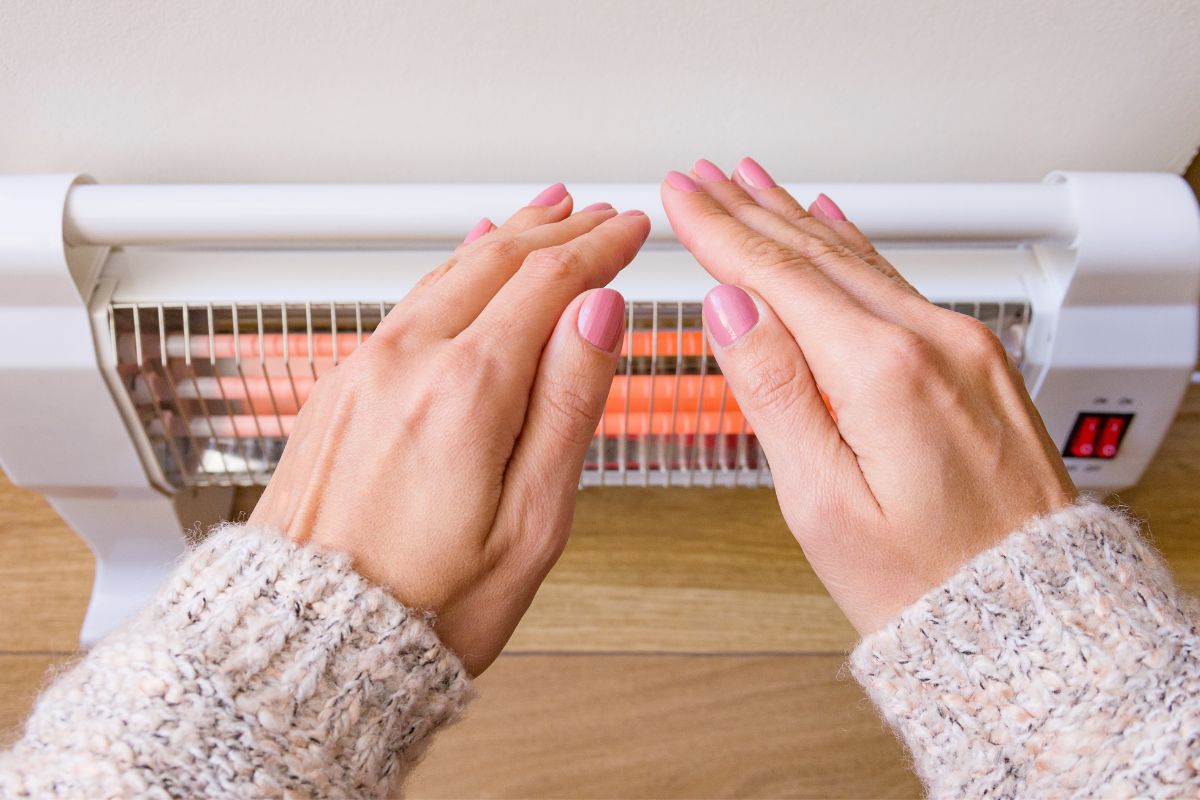
Nope. Even a super-ancient, clanky electric heater isn't going to magically start producing carbon monoxide. The issue with older heaters is more about fire hazards or electrical problems. Make sure they're in good working order, and if you're unsure, get them checked out by a qualified electrician. It's like getting a regular checkup for your car – preventative maintenance is always a good idea!
One thing that's not related to the heater itself, but maybe the electricity it uses – if your power source is a generator, then this could create carbon monoxide. You won't have the CO source from the heater, but from the power source.
So, the moral of the story? Relax, enjoy the warmth, and keep that carbon monoxide detector handy (especially if you have any gas-burning appliances). Your electric heater is just trying to keep you cozy, not poison you with deadly gas. Now, go back to binge-watching! You deserve it!