
Does An Attic Fan Cool The House
Ah, summer! The sun shines, birds sing, and your attic turns into a super-heated oven.
Many homeowners look up at that glowing ceiling and wonder: could an attic fan be my secret weapon?
It sounds like a simple solution, right? Just blow that hot air out!
Must Read
The Great Attic Inferno
Think about your attic on a scorching afternoon. It can reach temperatures well over 130 or even 150 degrees Fahrenheit.
That's hotter than many outdoor saunas! All that heat just sits there, trapped.
It’s like a giant, invisible heat lamp shining down on your living space, making your AC work overtime.
Meet the Attic Fan
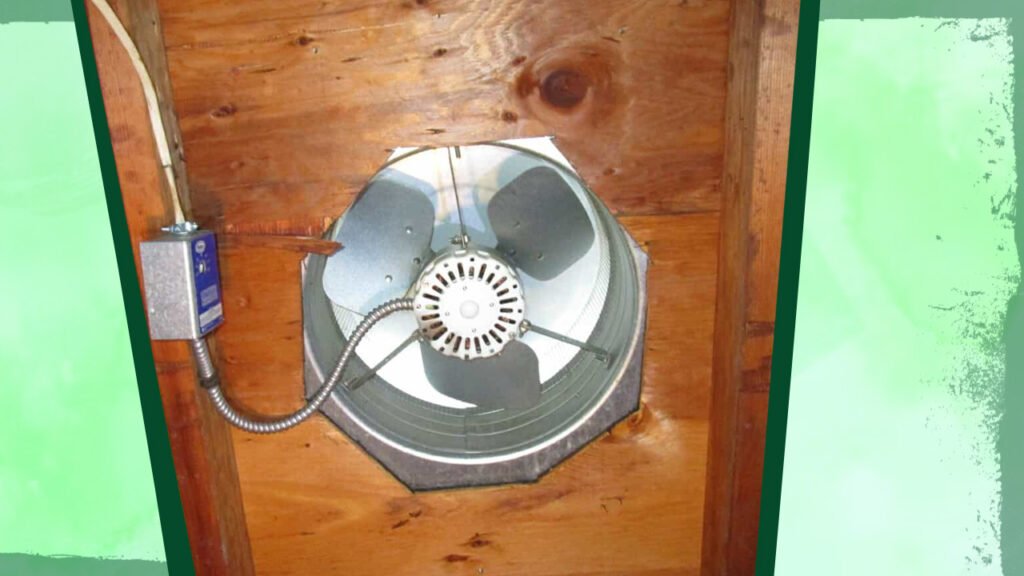
So, what exactly is an attic fan? It's typically a large fan installed in your attic roof or gable wall.
Its primary mission is to pull that super-heated air out of your attic and push it outside.
In theory, cooler outside air then gets drawn into the attic through vents, like the soffit vents under your roof eaves.
Does It Cool the House Directly?
Here’s the big question, the one everyone wants to know: does an attic fan cool your actual living space?
The short, straightforward answer is: no, not directly.
An attic fan doesn't blow cool air into your home like an air conditioner does. It works purely within the attic itself.

The Indirect Cooling Effect
But wait, don't write it off just yet! There's an important indirect cooling benefit at play here.
By removing that intense heat from the attic, the fan prevents it from radiating down into your rooms.
Imagine trying to cool a room when the ceiling above it is practically glowing with heat; it’s a losing battle.
An attic fan helps your air conditioner by reducing the heat load radiating from above.
This means your AC doesn't have to work quite as hard to keep things comfortable downstairs.
A Helping Hand for Your AC
If your AC is constantly battling a super-hot attic, it's like asking it to run a marathon uphill.
An attic fan essentially flattens that hill, giving your AC a bit of a break.
This could potentially lead to lower energy bills and a longer lifespan for your air conditioning unit.
Crucial for Success: Proper Ventilation
Now, here's where it gets interesting and a little bit tricky. An attic fan isn't a standalone magic wand.
It absolutely needs proper intake ventilation to work effectively. Think of your attic like a lung.
The fan is exhaling hot air, but it needs to inhale cooler air from somewhere.
This "inhaling" typically happens through soffit vents, those small openings usually found under the eaves of your roof.
The Hidden Danger: Pulling Conditioned Air
Without enough soffit vents, your attic fan might get desperate for air.
And where might it find that air? From inside your beautifully cooled home!
This is a big no-no. It can pull expensive, conditioned air from your living space right up into the attic, and then outside.
That would be like throwing money out the window, literally!
So, ensuring ample soffit ventilation is key to an attic fan's success.
Sealing is Super Important
Another crucial step before relying on an attic fan is to seal any gaps between your living space and the attic.
Think of light fixtures, plumbing vents, or electrical wires that pass through your ceiling.
These are tiny pathways where air can escape from your house into the attic.
Sealing these leaks prevents the attic fan from drawing your cool indoor air upwards.
Not to Be Confused: Whole House Fans
This is a common point of confusion, and it's an important one!
An attic fan is different from a whole house fan. They sound similar, but their jobs are distinct.
A whole house fan is much larger and specifically designed to pull air directly from your living space, up through a central ceiling opening, and into the attic.
That air then exits through attic vents. It creates a powerful cross-breeze inside your home.
Whole house fans are fantastic for rapidly cooling your home during evenings when the outside air is cooler than inside.
When to Run Your Attic Fan
Most attic fans come with a thermostat, which is a smart feature.

You can set it to kick on automatically when the attic temperature reaches a certain level, say 100 or 105 degrees Fahrenheit.
This ensures it only runs when it's truly needed to combat extreme heat.
Insulation Still Rules Supreme
While an attic fan can be a valuable tool, it's important to remember that it's just one piece of the puzzle.
Excellent attic insulation remains the superstar of keeping heat out of your living space.
Insulation creates a barrier that slows down heat transfer, whether the attic is hot or cold.
The Bigger Picture of Home Comfort
So, does an attic fan cool the house? Not like your AC, but it can definitely lend a helping hand.
It reduces the heat load on your air conditioning system, making it easier for your AC to do its job.
Think of it as part of a team, working alongside insulation and proper sealing to create a more comfortable home.
When used correctly, with adequate attic ventilation and sealed air leaks, an attic fan can be a smart addition to your home comfort strategy.
It's all about understanding how these different elements work together to keep your castle cool when the summer sun is beating down.