Does A Portable Ac Need To Be Vented Outside

Okay, picture this: it's hotter than a jalapeño in a sauna, and you're dreaming of turning your bedroom into your own personal Arctic oasis. You've got your eyes on a portable AC unit, ready to plug it in and feel that sweet, sweet relief. But then...dun dun DUN! You see the dreaded tube. The vent. The...thing that seems to demand a relationship with the outside world. The question plagues you: Does a portable AC really need to be vented outside?
The Truth: They're Not Just Showing Off That Tube
Alright, let's cut to the chase. The answer, my friend, is a resounding YES! A portable AC does need to be vented outside. I know, I know, it's a bummer. You were picturing pure, unadulterated coolness with zero effort. But hear me out, because there's a reason for this, and understanding it might just save you from turning your room into a…well, let's just say a very uncomfortable sauna.
Think of your portable AC like a tiny, adorable, yet somewhat demanding dragon. It's breathing in your warm, stuffy air, and then it's using its magical (okay, mechanical) powers to cool that air down. But where does the heat go? Does it just vanish into thin air, sprinkled with fairy dust? Sadly, no. It's got to go somewhere. And that somewhere is…OUTSIDE! That’s the vent’s job.
Must Read
If you don't vent that hot air out, it's like trying to bail water out of a leaky boat…with a smaller bucket of water. You're just moving the warm air around, making your AC work harder, and ultimately, not really getting any cooler. You might even make the room warmer! Talk about a plot twist!
So, How Do You Vent This Beast?
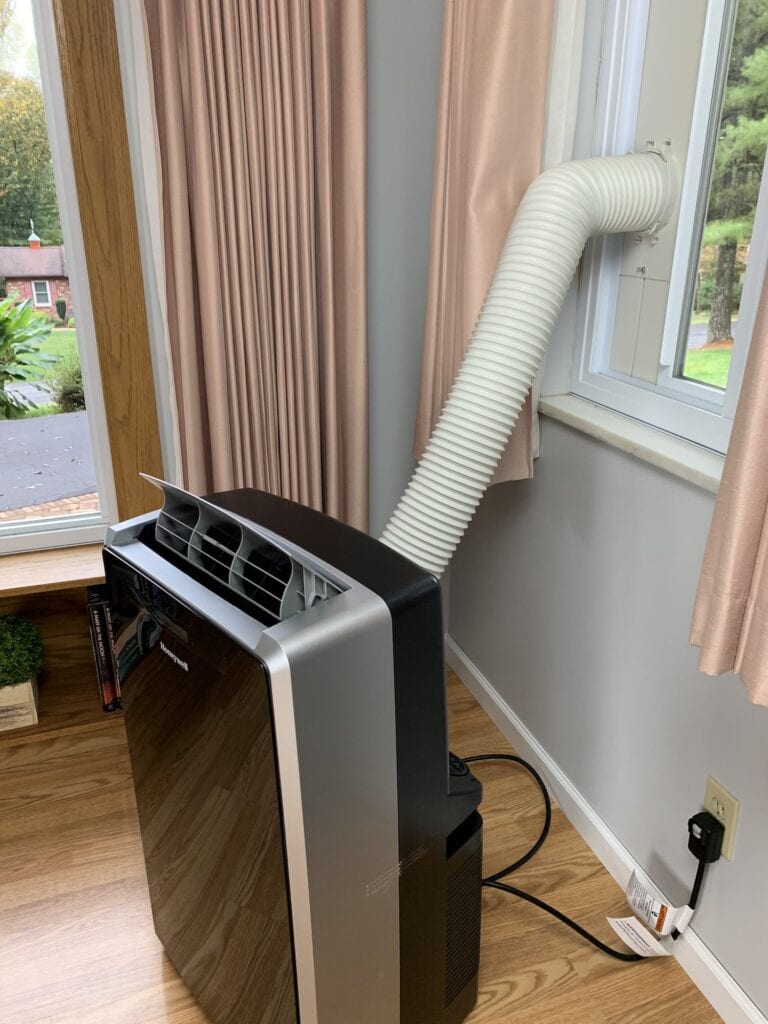
Good question! Most portable AC units come with a window kit. It's usually a plastic panel that you can adjust to fit your window, with a hole in it for the vent hose. It’s like giving your AC a little portal to freedom. Installation can sometimes feel like wrestling an octopus, but trust me, it's worth it.
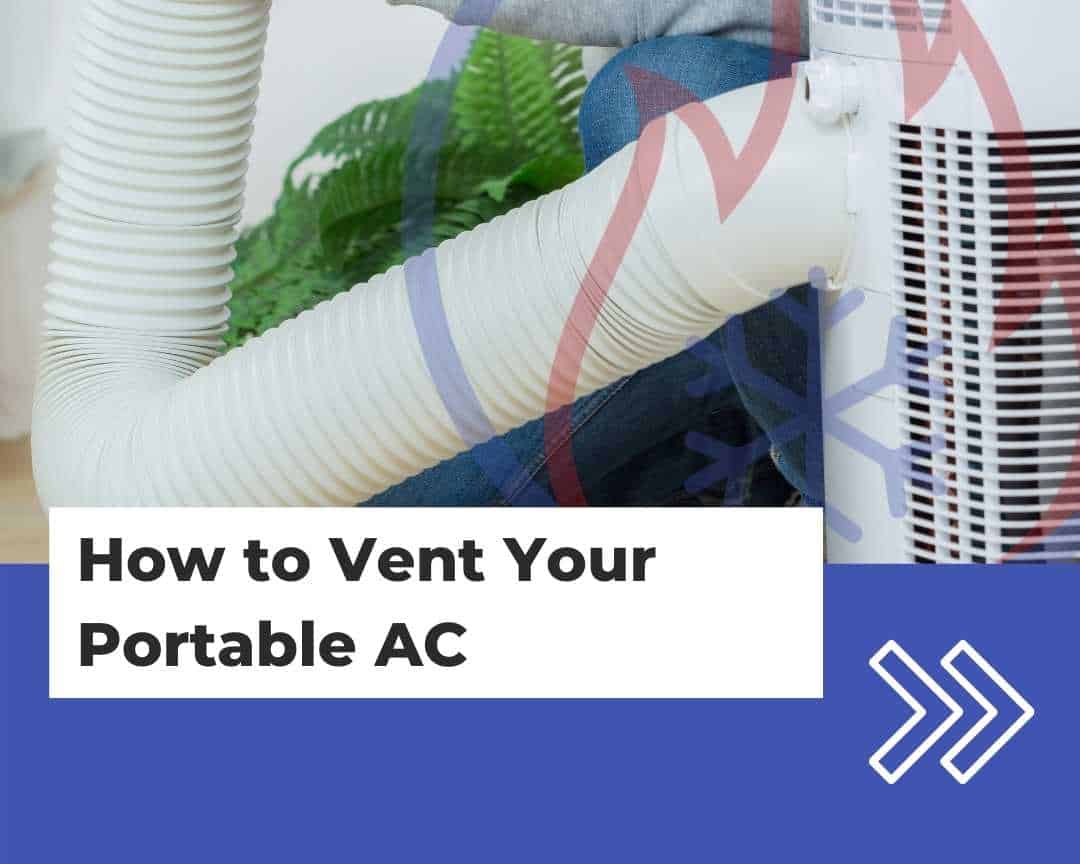
There are other options too. Some people vent through a wall (requires a bit more…commitment), or even a drop ceiling (if you're feeling adventurous and have the right setup). But the window is generally the easiest and most common method.
The Alternative: A Swamp Cooler (But It's Not Always Cooler)
Now, before you throw your hands up in despair, let's talk about a potential alternative: the evaporative cooler, also known as a swamp cooler. These guys don't use refrigerant like a portable AC. Instead, they use water to cool the air. And guess what? They don't need to be vented! Hooray!

However, there's a catch (isn't there always?). Swamp coolers work best in dry climates. If you live in a humid area, a swamp cooler might just make you feel like you're living inside a cloud – a warm, damp cloud. Not exactly the refreshing experience you were hoping for.
"Think of it this way: a swamp cooler adds moisture to the air. If you already have a lot of moisture in the air, adding more is like adding fuel to a fire... a humid, sticky, uncomfortable fire!"
Don't Be Fooled by "Ventless" Claims
You might stumble across products claiming to be "ventless portable AC units." Be wary! These are often just evaporative coolers masquerading as ACs. They might provide some cooling, but they won't deliver the same icy blast as a true portable AC that's properly vented.
Think of it like this: a ventless AC is like a promise ring. It suggests coolness, but it doesn't quite deliver the real deal.
So, there you have it. While the need for venting might seem like a drag, it's a necessary evil for enjoying the glorious, frosty goodness of a portable AC. Embrace the tube, conquer the window kit, and bask in the coolness. You deserve it!