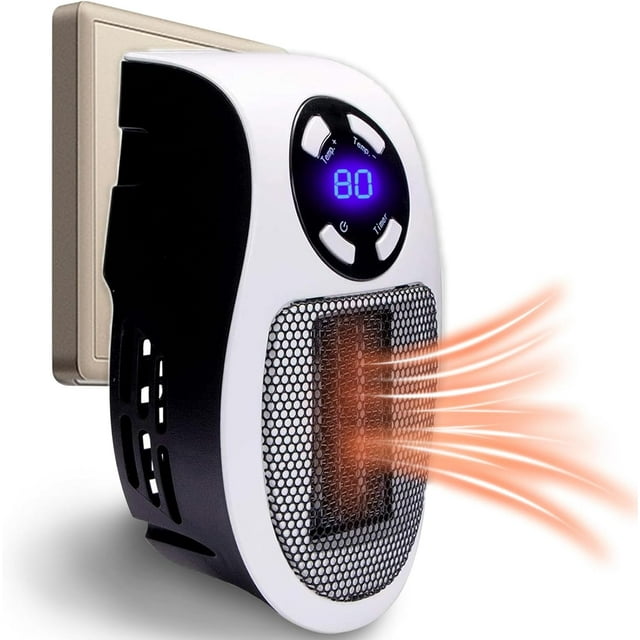
Does A Plug In Heater Use A Lot Of Electricity

Okay, let's talk about something that makes winter mornings slightly less horrific: the plug-in heater. That little champion of warmth that promises to banish the arctic chill from your toes. But there's a nagging question, isn't there? A whisper in the back of your mind that asks, "Is this thing secretly plotting to bankrupt me?" Does a plug-in heater use a lot of electricity? Let's dive in, shall we?
The Siren Song of Cozy
Think about it. You're huddled under a blanket, the wind is howling outside, and the central heating seems to have taken a vow of silence. You reach for that trusty plug-in heater, a beacon of hope in the desolate landscape of freezing fingers and chattering teeth. Ah, instant warmth! It's practically magic. But like any good magic trick, there's usually a catch.
Plug-in heaters are like that charming friend who always suggests ordering the extra-large pizza. They're great in the moment, offering immediate gratification. They're portable, convenient, and can turn a drafty corner into a tropical paradise (okay, maybe not tropical, but certainly less arctic). But the question remains: at what cost?
Must Read
The Numbers Game (Simplified, We Promise!)
The truth is, plug-in heaters can use a significant amount of electricity. Most of them run between 750 and 1500 watts. Now, what does that even mean? Imagine a really enthusiastic light bulb. That's kind of what we're talking about. A light bulb that's trying to single-handedly fight off the Ice Age.
Let's put it another way. If you run a 1500-watt heater for an hour, you're using 1.5 kilowatt-hours (kWh) of electricity. Check your electricity bill; you'll see a cost per kWh. Multiply that cost by 1.5, and you'll get a rough idea of how much that cozy hour cost you. It might be less than you fear, or it might be enough to make you consider investing in a good pair of thermal socks. It all depends on your local electricity rates. You should be able to find the price by checking your bill, or visiting your electric company website.

The Great Debate: Central Heating vs. Plug-In Power
Here's where things get interesting. Many people assume that blasting the central heating is always the cheaper option. But that's not necessarily true! Think about it: if you're only trying to heat one small room, firing up the entire furnace to warm the whole house is like using a sledgehammer to crack a walnut. It's overkill.
A plug-in heater can be more efficient if you only need localized warmth. However, if you're trying to heat a large, poorly insulated room with a plug-in heater, you're essentially trying to bail out a sinking ship with a teacup. It will work really hard, and your electricity bill will reflect that heroic effort. The key is to use them strategically. To only turn on the heater in the room you are currently in.

Tales from the Trenches (or, The Office)
I once worked in an office where the thermostat wars were legendary. One faction wanted to recreate the Antarctic, while the other yearned for the Sahara. The solution? Plug-in heaters under every desk. It was a power-hungry free-for-all that probably contributed significantly to the company's quarterly losses. The moral of the story? Use plug-in heaters responsibly, and maybe invest in a sweater.
Smart Ways to Stay Warm (and Solvent)
Okay, so how can you enjoy the cozy embrace of a plug-in heater without sending your bank account into cardiac arrest? Here are a few tips:
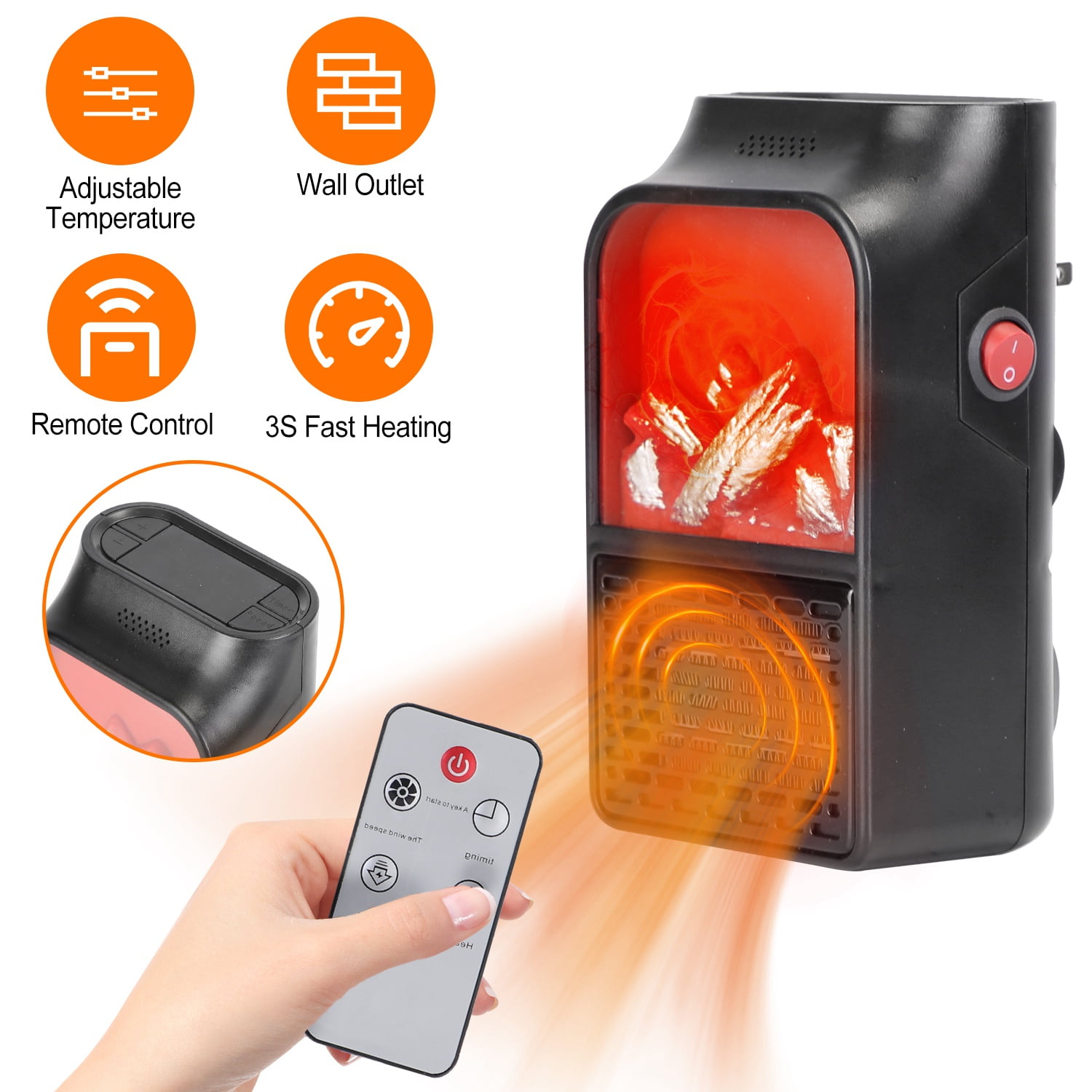
- Use it sparingly: Don't leave it running all day. Use it to quickly warm up a room and then turn it off.
- Close the door: Trapping the heat in a smaller space makes the heater's job easier (and cheaper).
- Dress warmly: This may seem obvious, but layering up can significantly reduce your reliance on the heater.
- Consider a programmable thermostat: Some plug-in heaters have built-in thermostats that can help you regulate the temperature and avoid wasting energy.
- Insulation is your friend: A well-insulated room will retain heat much better, reducing the need for supplemental heating.
Ultimately, the decision of whether or not to use a plug-in heater comes down to your individual needs and circumstances. Weigh the benefits of instant warmth against the potential cost, and use it wisely. You'll soon get the hang of it.
The Heartwarming Conclusion (Yes, There Is One!)
Plug-in heaters aren't evil electricity guzzlers; they're tools. Like any tool, they can be used effectively or ineffectively. And sometimes, that little burst of warmth on a cold day is worth every penny. Just be mindful of how often and how long you have it turned on! Think of it as a treat, not a right!
So, go forth and embrace the cozy. But remember to keep one eye on your electricity bill and the other on that thermostat. And maybe, just maybe, consider investing in a really good pair of thermal socks. Your toes (and your wallet) will thank you.