
Does A Mini Fridge Take A Lot Of Electricity
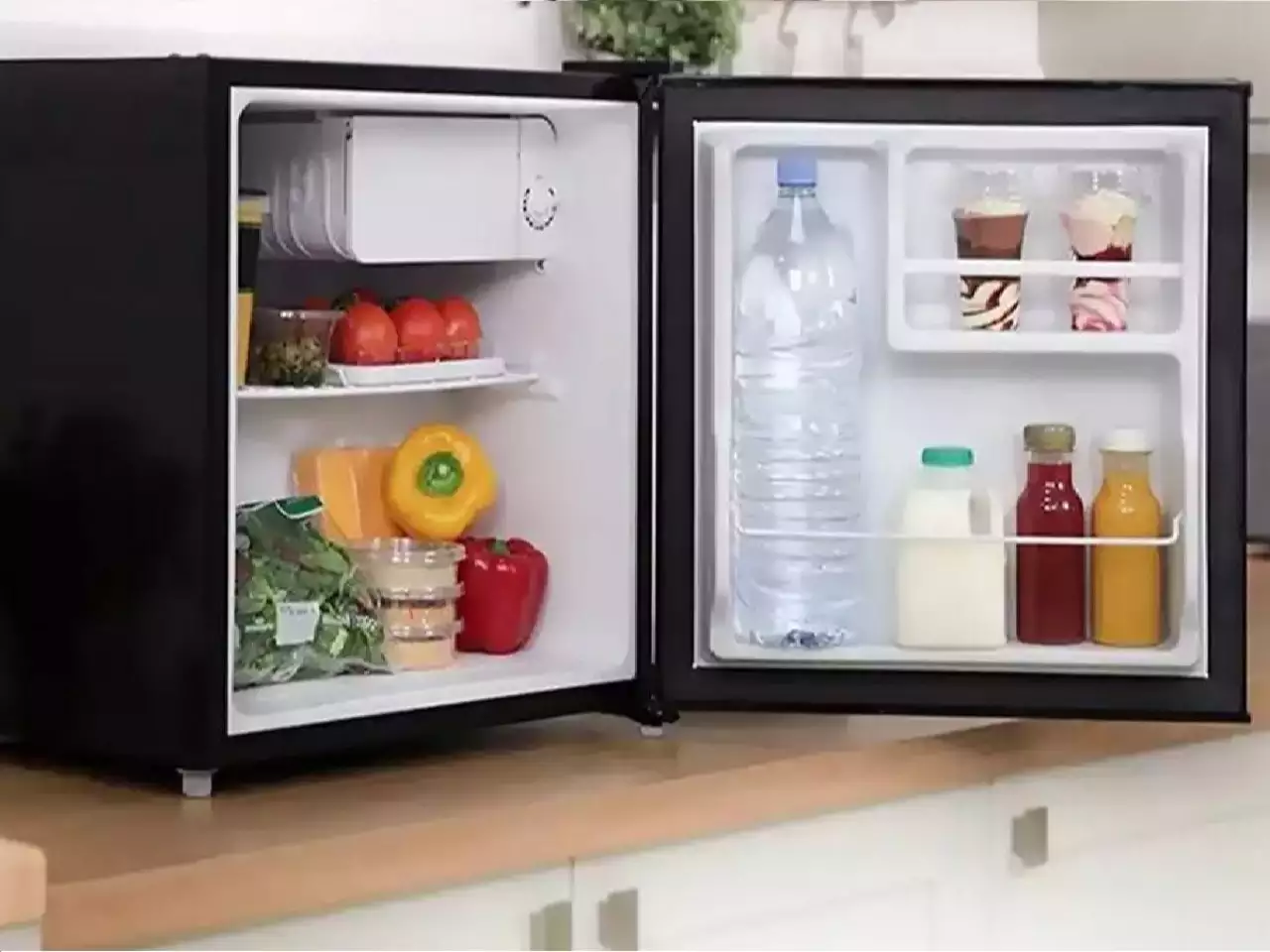
Okay, let's be honest. We've all stared at that little box of chilled delights – the mini fridge. It's the ultimate dorm room companion, the office sanity saver, the bedroom beverage butler. But a question lingers… does this tiny titan secretly drain our bank accounts with its insatiable thirst for electricity?
The "official" answer? Probably not that much. Experts will throw around terms like "kilowatt-hours" and "energy efficiency." They'll tell you to check the Energy Star rating. They'll calmly explain the difference between a compressor and a thermoelectric cooler. Blah, blah, blah.
But I have a confession. And it's an unpopular opinion, I know. Deep down, I suspect the mini fridge is a bigger energy hog than we're led to believe. I think it's plotting against us.
Must Read
Think about it. It's ALWAYS on. Unlike your phone, which gets charged and then rests, or your TV, which only sucks juice when you're binge-watching, the mini fridge hums and buzzes 24/7. It's a constant, unwavering commitment to coolness. That has to add up!
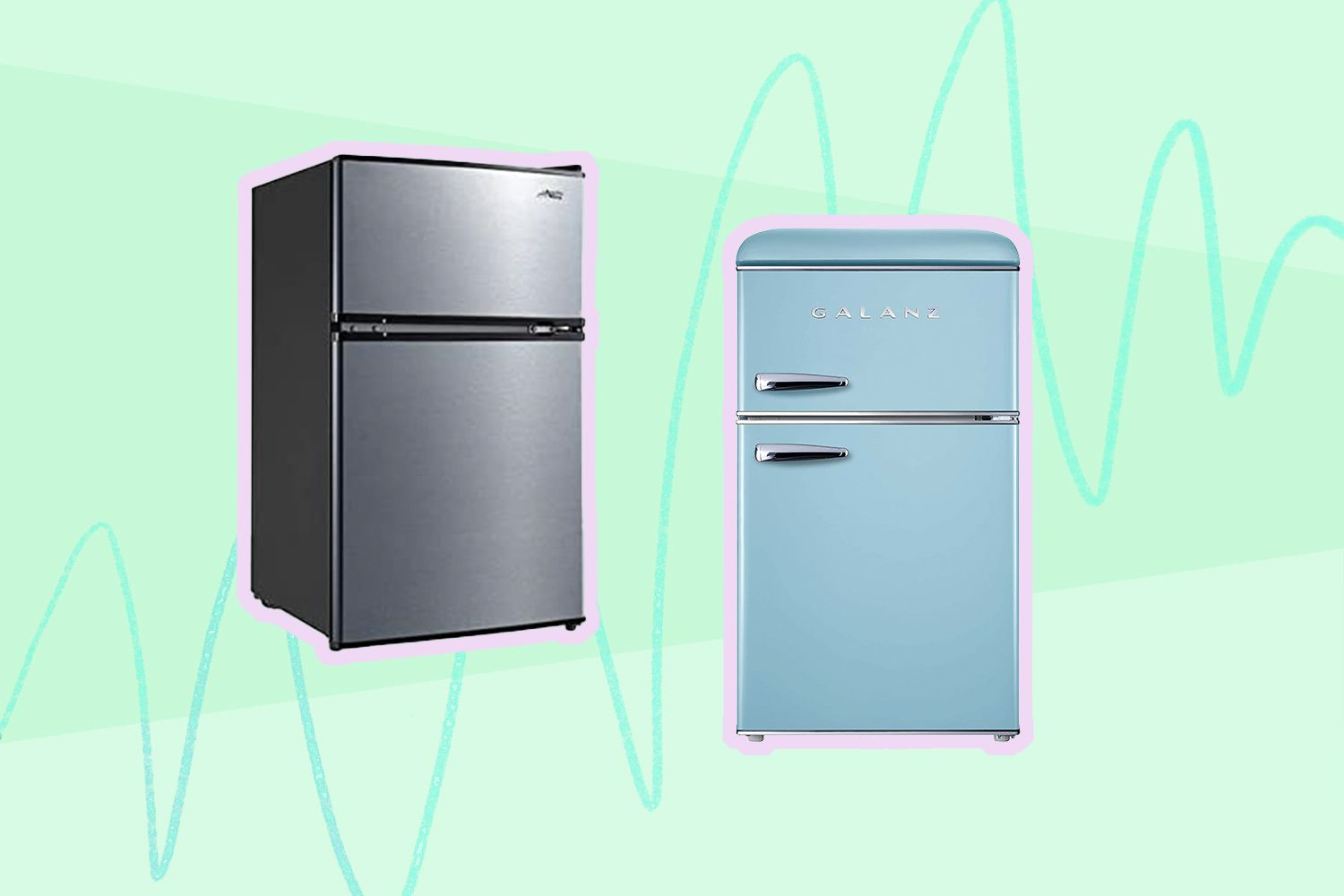
And let's face it, a lot of mini fridges aren't exactly paragons of energy efficiency. We're not talking about state-of-the-art, eco-friendly models here. We're talking about that slightly dented, slightly rusty relic that's been chilling sodas since the early 2000s. The one with the questionable interior light that flickers ominously. You know the one.
## The Case Against the Cold Cube
Consider the prime real estate a mini fridge occupies. It's often crammed into a corner, trapped behind a desk, or shoved under a shelf. That restricted airflow can't be helping its cooling efforts, right? It's like asking a marathon runner to sprint in a parka. The poor thing has to work overtime just to maintain a reasonable temperature.
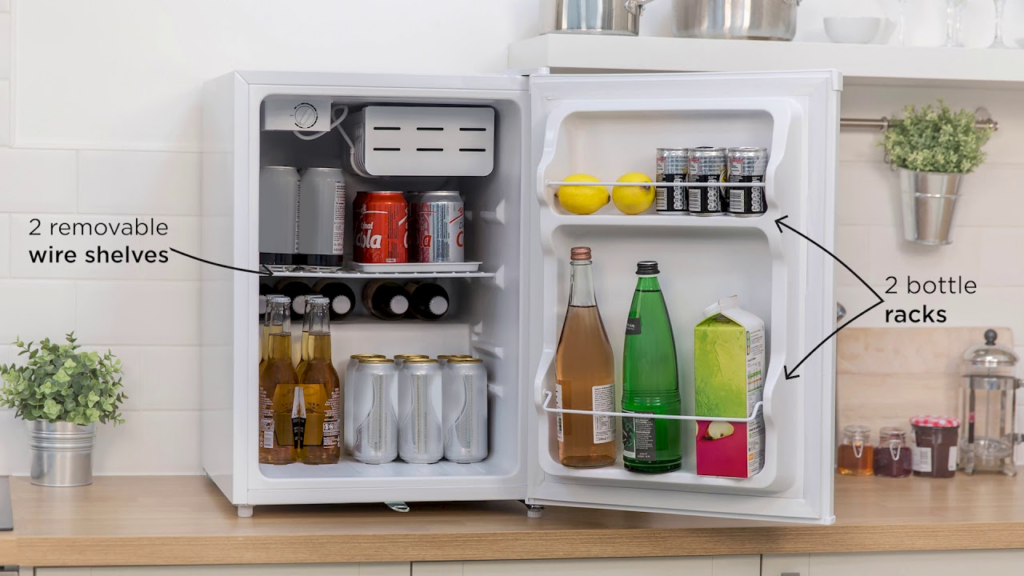
And what about the contents? A carefully curated collection of artisanal cheeses and organic kombucha? Probably not. More likely, it's a chaotic jumble of lukewarm leftovers, half-empty soda cans, and that suspicious container of something unidentifiable from last Tuesday. That's a lot of thermal mass it has to fight against! It's like asking it to cool a room, not just a few drinks.
I even suspect some mini fridges are secretly powered by spite. They sense when you're trying to conserve energy and gleefully crank up the compressor, just to prove a point. "Oh, you're trying to save money? Watch me chill this entire six-pack to sub-zero temperatures!"
## The Great Energy Conspiracy?
Maybe I'm being paranoid. Maybe I've watched too many documentaries about appliance rebellions. But I just can't shake the feeling that the mini fridge is silently, steadily increasing my electric bill. It's like a tiny, cold-blooded financial parasite. A cute, convenient, beer-holding parasite, but a parasite nonetheless.
Okay, okay, I'll concede a few points. Yes, newer models are more efficient. And yes, keeping it properly organized and defrosted will help. And of course, unplugging it when you're not using it is a good idea. (Duh!)
But still… I remain suspicious. I think Big Fridge is trying to downplay the true energy cost of its miniature brethren. They don't want us to know the truth! They want us to keep buying them, plugging them in, and filling them with sugary beverages that require constant chilling. It's all a conspiracy!

So, the next time you reach for a frosty beverage from your mini fridge, just remember my words. Enjoy the cool refreshment, but also remember that a tiny price is being paid. In electricity, and perhaps, in your sanity.
Maybe I should invest in a really good cooler. Or just embrace room-temperature beverages. Nah, who am I kidding? The mini fridge is here to stay. And I'll keep paying the electric bill, grudgingly, for the privilege of a perfectly chilled drink. But I'll always have my suspicions.
And remember, maybe your mini fridge is innocent. Maybe. But I'm watching mine.