
Does A Heat Pump Replace An Air Conditioner

Let's talk about staying cool (and warm!), and a superstar in the HVAC world: the heat pump. You might be wondering, "Is it just a fancy air conditioner?" Well, buckle up, because the answer is a bit more exciting than that!
So, Can a Heat Pump Really Replace My Air Conditioner?
Imagine your air conditioner is like a one-trick pony. It's fantastic at cooling, like a super soaker on a hot summer day. But what if that pony could also magically warm you up in the winter? That, my friend, is where the heat pump struts onto the scene.
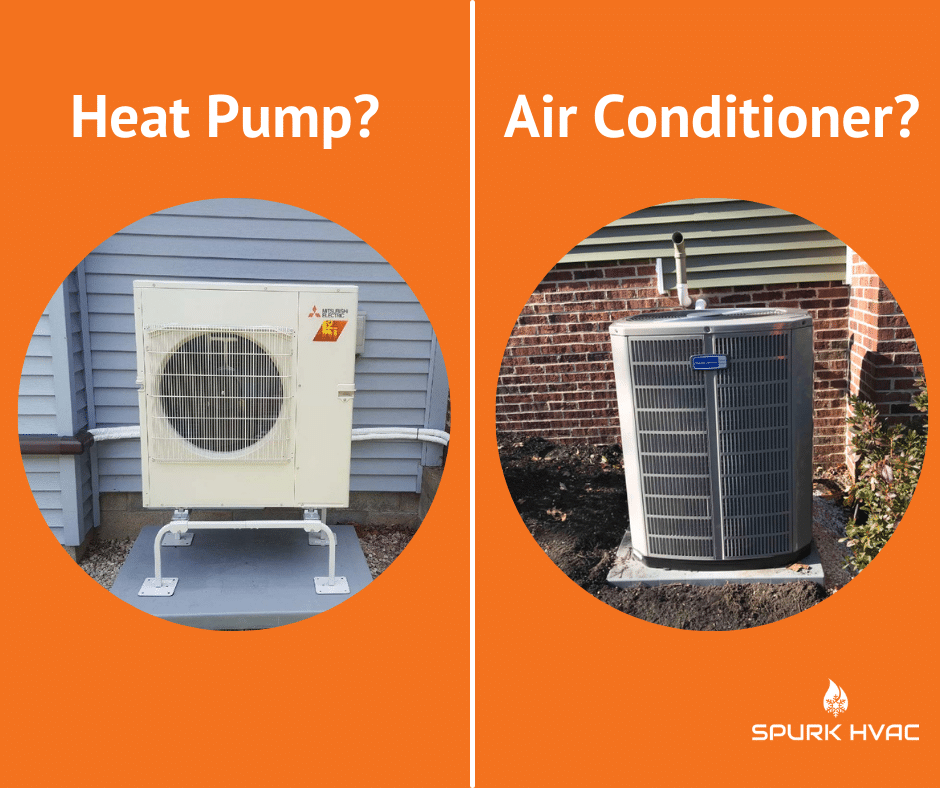
Yes, a heat pump can absolutely replace your air conditioner. Think of it as an air conditioner that's been to finishing school and learned some extra fancy moves.
Must Read
The Big Difference: It's a Two-Way Street!
Here's the magic: your air conditioner only blows cold air in the summer. It takes the heat from inside your house and dumps it outside.
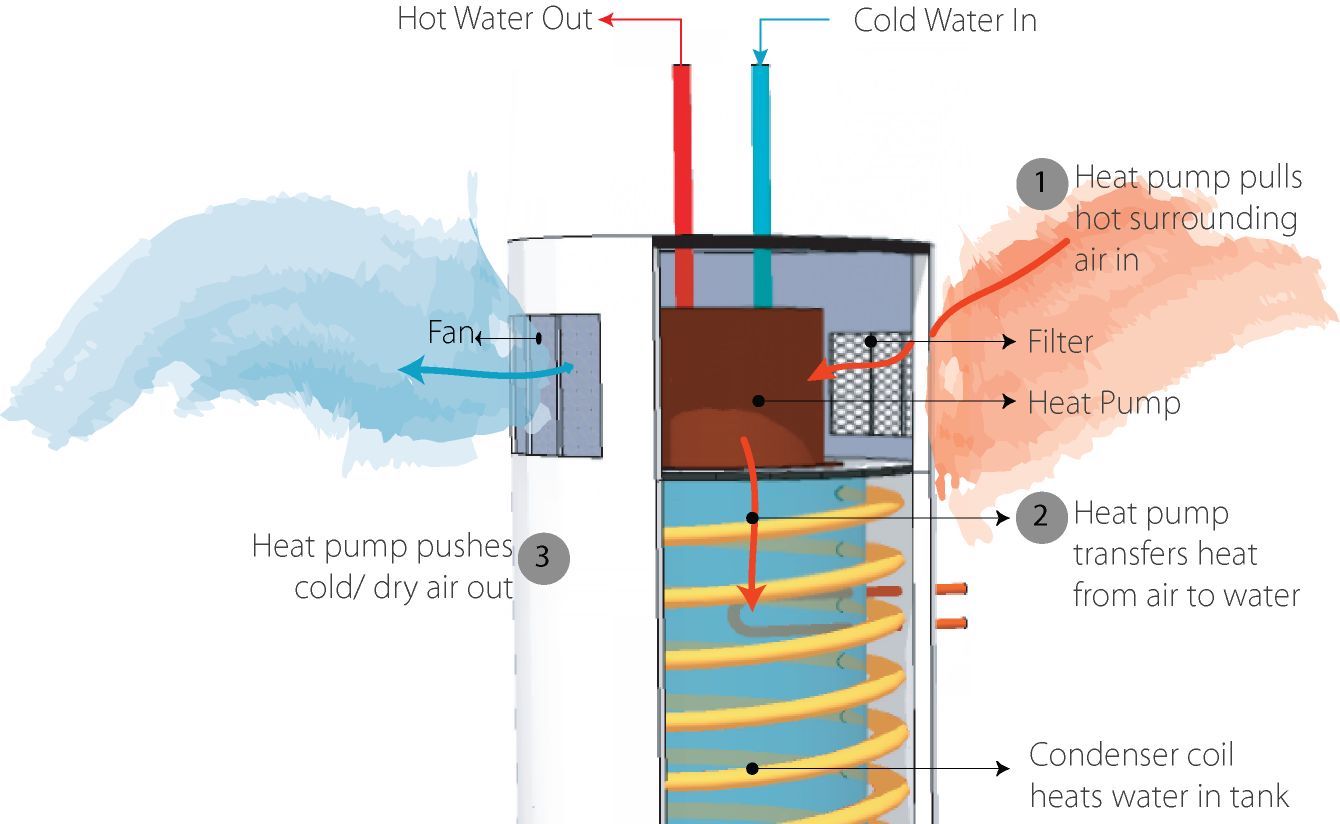
A heat pump, on the other hand, can reverse the process. In the winter, it pulls heat from the outside air (yes, even cold air has some heat!) and pumps it inside your house.
It's like your AC learned to do the Macarena, in reverse, in the winter! Pretty cool, huh?
But Wait, There's More! (Efficiency Matters)
Not only can a heat pump both heat and cool, but it can also be more energy-efficient than using a separate furnace and air conditioner. Think of it as getting two appliances for the price (and energy bill!) of one-and-a-half!
This efficiency comes from the way heat pumps move heat instead of generating it. It's like gently nudging a crowd through a door instead of bulldozing through it – much less energy wasted!
And who doesn't love saving money and helping the planet at the same time?
Okay, But What About REALLY Cold Weather?
Now, let's be honest. Heat pumps can sometimes struggle in extremely cold climates.
When temperatures plummet way, way down (think polar bear territory), a heat pump might need a little help from a backup heat source, like electric resistance heat. It is like a little boost of power to finish the job.
However, newer heat pump technology is constantly improving, and many models are now designed to work effectively even in very cold conditions.
Is a Heat Pump Right for YOU?
So, how do you know if a heat pump is the right choice for your home? It depends on a few factors:
Climate: As we mentioned, heat pumps thrive in moderate climates. But even in colder regions, they can still be a great option, especially with newer, cold-climate models.
Existing HVAC System: Are you replacing an old, inefficient system? A heat pump could be a fantastic upgrade.
Budget: Heat pumps can sometimes have a higher upfront cost than traditional air conditioners. However, the long-term energy savings can often make up for the difference.
Home Insulation: Proper insulation is key for maximizing the efficiency of any heating and cooling system, including heat pumps.
Heat Pump vs. Air Conditioner: A Quick Recap
Let's break it down one more time for clarity:
Air Conditioner: Cools your home.
Heat Pump: Cools and heats your home, potentially saving you money on energy bills.
It's like choosing between a regular phone and a smartphone. Both make calls, but one does so much more!
Don't Be Afraid to Ask the Experts!
If you're considering a heat pump, the best thing to do is talk to a qualified HVAC professional.
They can assess your specific needs and help you choose the right system for your home and climate. They can also give you a realistic estimate of the costs and potential savings.
Think of them as your personal HVAC sherpas, guiding you through the mountain of options!
The Future is Heat Pump-y
Heat pumps are becoming increasingly popular as people look for more efficient and environmentally friendly ways to heat and cool their homes.
With their ability to both heat and cool, and their potential for energy savings, heat pumps are poised to play a major role in the future of home comfort.
So, ditch that one-trick pony AC, and embrace the versatile magic of the heat pump! Your wallet and the planet will thank you.
Myths Busted About Heat Pumps
Let's tackle some of the misconceptions surrounding heat pumps head-on! There are a few common myths floating around that need debunking.
Myth 1: Heat pumps only work in warm climates. While they excel in moderate temperatures, modern heat pumps, particularly cold-climate models, are designed to function effectively in colder regions as well. Don't let the cold deter you!

Myth 2: Heat pumps blow cold air. A properly functioning heat pump blows warm air in heating mode. The air may not feel as hot as that from a furnace, but it steadily warms the room. Think gentle warmth instead of a sudden blast.
Myth 3: Heat pumps are expensive to repair. The cost of repairing a heat pump is generally comparable to repairing an air conditioner or furnace. Regular maintenance can also help prevent costly repairs down the line.
Making the Switch: What to Expect
Decided to make the leap to a heat pump? Here's a glimpse of what you can anticipate during the installation process.
First, an HVAC technician will assess your home's heating and cooling needs. This includes factors like square footage, insulation, and window efficiency.
Next, they'll recommend the appropriate heat pump size and model. Then comes the installation, which typically involves connecting the outdoor unit to the indoor unit and ensuring proper refrigerant levels.
Finally, you'll receive a thorough explanation of how to operate your new heat pump. Don't hesitate to ask questions! Understanding your system is crucial for maximizing its efficiency and lifespan.
The Environmental Angle: Why Heat Pumps Are Eco-Friendly
Beyond saving money, heat pumps offer significant environmental benefits. They contribute to a greener future in several ways.
Reduced Carbon Footprint: Because heat pumps move heat rather than generating it, they use less energy compared to traditional heating systems like furnaces. This translates to lower carbon emissions.
Renewable Energy Integration: Heat pumps can be paired with renewable energy sources like solar panels. It helps in creating a completely clean and sustainable heating and cooling system.

Phasing Out Fossil Fuels: By replacing fossil fuel-based heating systems, heat pumps help reduce our reliance on finite resources.
Maintenance Tips for a Long-Lasting Heat Pump
To keep your heat pump running smoothly and efficiently for years to come, regular maintenance is essential.
Clean or replace air filters regularly. Dirty filters restrict airflow, making your heat pump work harder and reducing its efficiency.
Keep the outdoor unit free of debris. Leaves, snow, and other obstructions can hinder airflow and impact performance.
Schedule annual professional maintenance. An HVAC technician can inspect your system for any potential issues and perform necessary tune-ups. It's like a yearly checkup for your heat pump!
Future Innovations in Heat Pump Technology
The world of heat pumps is constantly evolving. Researchers and engineers are continuously working to improve their performance, efficiency, and affordability.
Expect to see even more advanced cold-climate heat pumps. They are capable of operating effectively in extremely cold temperatures.
Also, advancements in smart home integration, with heat pumps seamlessly communicating with other devices for optimized energy management.
In the end, a heat pump can certainly replace an AC. Heat Pumps are becoming the future of home comfort! So let's hop on the bandwagon.