
Does A Fire Alarm Detect Carbon Monoxide
Ever heard a mysterious beep from your home's alarm system and wondered, "Is that just a fire alarm, or is it also sniffing out that sneaky carbon monoxide?" It's a super common question, and understanding the answer isn't just interesting trivia – it's absolutely crucial for keeping your home and loved ones safe! Let's clear up this widespread confusion with a friendly chat, because knowing the difference is literally life-saving.
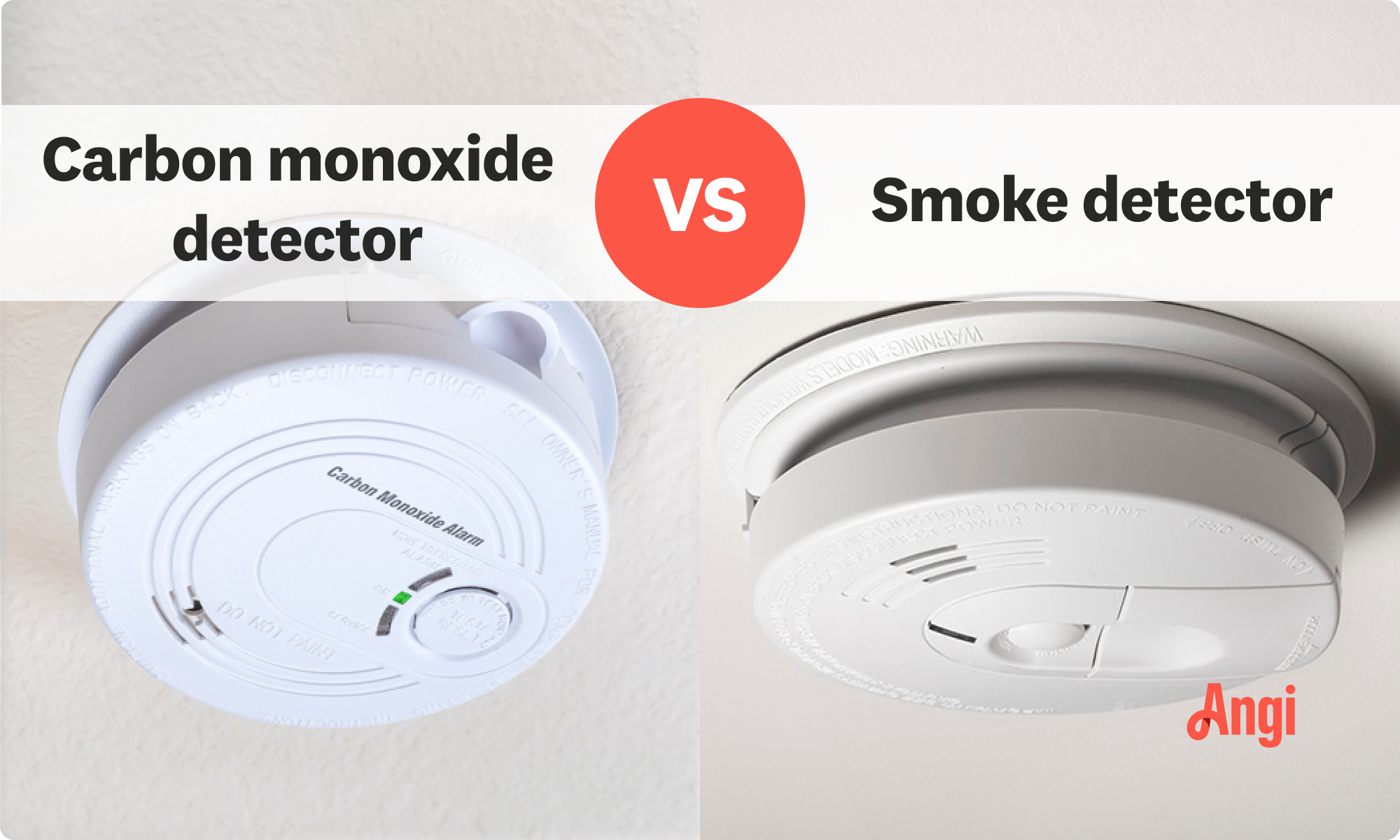
Okay, let's get straight to the point: The short, critical answer is no. A standard fire alarm, also known as a smoke detector, does not detect carbon monoxide. These two invaluable guardians of your home have entirely different jobs and detect entirely different threats.
Think of your fire alarm as your home's vigilant nose for smoke. Its primary mission is to sniff out smoke particles – the tell-tale sign of a fire. Whether it's an ionization detector, which is great for fast-flaming fires, or a photoelectric detector, which is better for smoldering fires, its sensors are specifically designed to react to airborne combustion particles. They sense the physical presence of smoke, not gases. When it detects smoke, it lets out that ear-splitting beep to give you precious time to escape a dangerous blaze. Its purpose is singular: fire detection.
Must Read
Now, let's introduce the 'silent killer': carbon monoxide (CO). This gas is truly insidious because it's invisible, odorless, and tasteless. You can't see it, smell it, or taste it, but it's incredibly dangerous. CO is produced when fuels like gas, oil, coal, wood, or even propane don't burn completely – think faulty furnaces, gas stoves, generators running indoors, or blocked chimneys. When inhaled, CO replaces oxygen in your blood, leading to serious illness, brain damage, or even death if exposure is prolonged or severe.
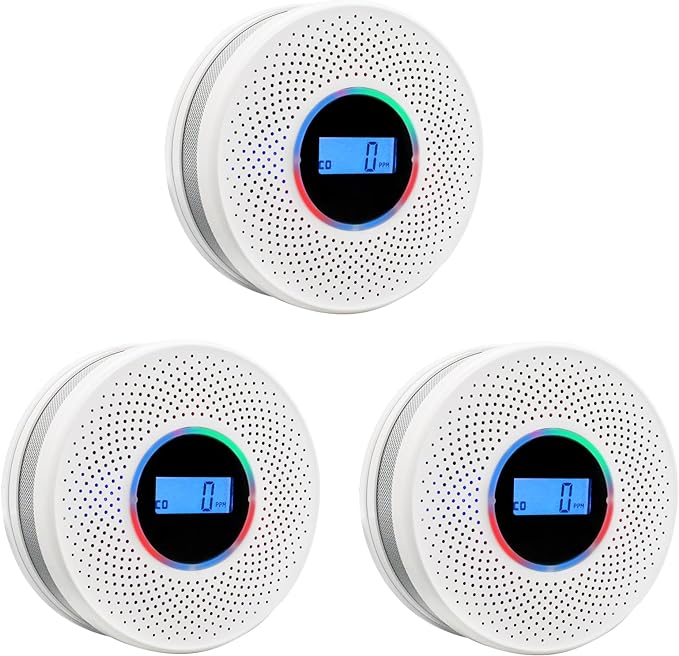
This is where the specialized carbon monoxide detector comes into play. Unlike a smoke alarm, a CO detector has an electrochemical sensor designed to specifically react to carbon monoxide gas. It measures the concentration of CO in the air over time. If levels become dangerous, it triggers its own distinct alarm, warning you of the invisible threat before it can harm you. It's built to detect one specific, deadly gas.
So, while both devices are life-saving and often look similar, their internal workings and what they detect are fundamentally different. Having only a smoke detector is like having an umbrella but no coat – you're covered for some threats, but not all! The key takeaway is that you need both types of protection in your home.
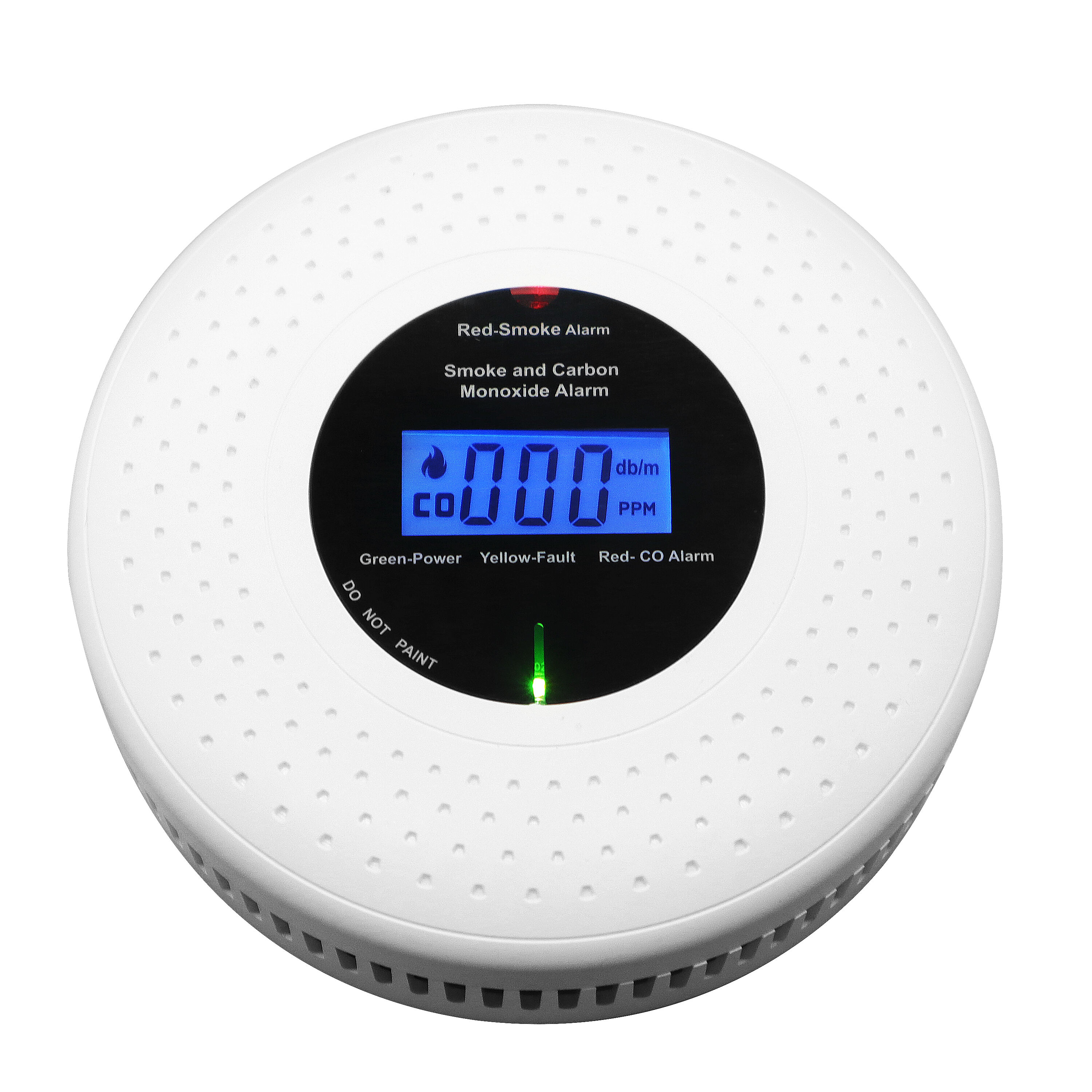
Good news! If you prefer fewer gadgets on your ceiling, many manufacturers now offer combination alarms. These clever devices house both a smoke sensor and a CO sensor in a single unit. Just remember, even though they're combined, they're still two distinct detectors doing two different jobs within one shell. Always check the packaging to confirm it's a "smoke and carbon monoxide" alarm, not just a smoke alarm.
Ultimately, ensuring your home is equipped with both functioning smoke alarms and carbon monoxide detectors is non-negotiable for comprehensive safety. They are your home's dedicated eyes and nose, protecting you from two very different, but equally dangerous, threats. So, take a moment to double-check your detectors today – it's a small step that makes a monumental difference in your family's safety and peace of mind!

