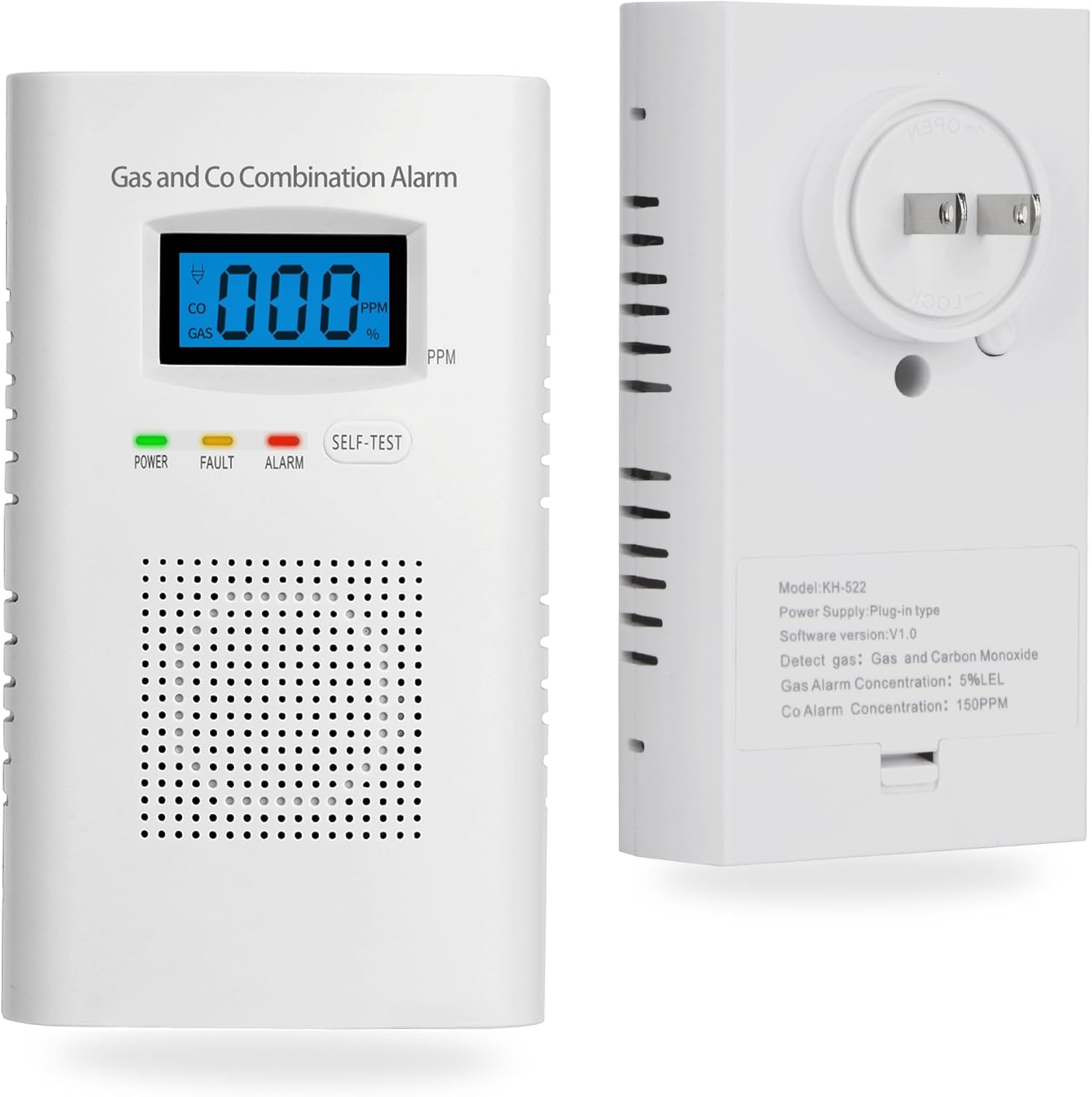
Does A Co2 Detector Detect Gas

Ever wondered about the air you're breathing inside your own home? It’s a pretty fascinating topic, and one that's gained a lot more attention recently! Today, we're diving into a common question: "Does a CO2 detector detect gas?" The short answer is a resounding yes, but it’s crucial to understand which gas it detects, because it's probably not what you're thinking of when you hear "gas leak." This isn't just a niche interest; understanding CO2 can significantly impact your comfort, health, and even your wallet!
So, what's the big deal about CO2 detectors? For beginners, these handy gadgets offer a simple window into your indoor air quality. They measure carbon dioxide, a gas we exhale, and too much of it can make a room feel stuffy, affect concentration, and even disrupt sleep. For families, a CO2 detector is a brilliant tool for ensuring a healthy living environment. Imagine less afternoon slump during homework time, better sleep at night, and an overall fresher feeling in your home – all benefits of keeping CO2 levels in check. And for the more curious among us or even aspiring hobbyists, these devices can help you understand your home's ventilation patterns, optimize air circulation, or even monitor conditions if you're growing indoor plants.
Now, let's clear up the main point: a CO2 detector specifically detects carbon dioxide (CO2). It is not designed to detect other dangerous gases like natural gas (which requires a gas leak detector), propane, or most importantly, carbon monoxide (CO). Carbon monoxide is often called the "silent killer" because it's odorless and tasteless, and it requires a dedicated CO alarm. A CO2 detector simply tells you if your air is getting stale and needs some fresh air. You'll find variations too: some are standalone desktop units, others are integrated into smart home systems, and there are even portable versions you can take to the office or classroom. Each variation serves the same core purpose: to measure CO2 levels and help you make informed decisions about your environment.
Must Read
Ready to give it a try? Getting started is super simple. First, consider placing a CO2 detector in areas where people spend a lot of time: the living room, bedrooms, or your home office. Look for models that give you a clear, easy-to-read display, often with a simple color-coded system (green for good, yellow for moderate, red for high). If you see the levels creeping up, the simplest tip is to open a window! Seriously, a few minutes of fresh air can make a huge difference. You might also consider improving your home's overall ventilation. Remember, a CO2 detector is a great addition to your home's safety and comfort arsenal, but it's important to have separate alarms for smoke and carbon monoxide as well. They all play different, crucial roles.
Embracing a CO2 detector isn't just about technicalities; it's about gaining a little peace of mind and taking an active step towards a healthier, more comfortable living space. It’s surprisingly satisfying to see those numbers drop after you’ve aired out a room, knowing you’re making a real difference to the quality of the air you breathe every day. Enjoy the freshness!