Does A Carbon Monoxide Detector Beep
We all cherish the feeling of being safe and sound in our homes. There’s a quiet comfort in knowing our loved ones and sanctuary are protected from unseen dangers. That's where some unassuming heroes come into play, offering a silent vigil for our peace of mind. One such champion is the carbon monoxide (CO) detector. While "enjoying" it might sound odd, what we truly enjoy is the safety and security it provides, letting us sleep soundly knowing a watchful eye is on guard.
So, does a carbon monoxide detector beep? The answer is a resounding, life-saving YES! This isn't just a simple chime; it's a critical alarm designed to jolt you into action when there's an invisible threat lurking. Carbon monoxide, often called the "silent killer," is an odorless, colorless, and tasteless gas. Without a detector, you wouldn't know it was present until it was too late, potentially causing severe illness, brain damage, or even death. The beep is its primary and most important function – a loud, unmistakable warning that says, "Wake up! There's danger!"
The benefits are immense and universally applicable. It serves as your personal sentinel, constantly monitoring the air for dangerous CO levels produced by common household appliances like furnaces, gas stoves, water heaters, and fireplaces. Even a car idling in an attached garage is a potential source. Any fuel-burning appliance or engine warrants a detector. They're essential for every home, apartment, and RV, providing an early warning system that can literally save lives before symptoms even begin to manifest.
Must Read
To truly get the most out of your CO detector – maximizing your safety and peace of mind – here are some practical tips:
- Strategic Placement: Install detectors on every level, especially near sleeping areas. Consider placing one near the ceiling as CO rises.
- Regular Testing: Press the "test" button monthly to ensure the alarm sounds and batteries work. It's a quick check for huge peace of mind.
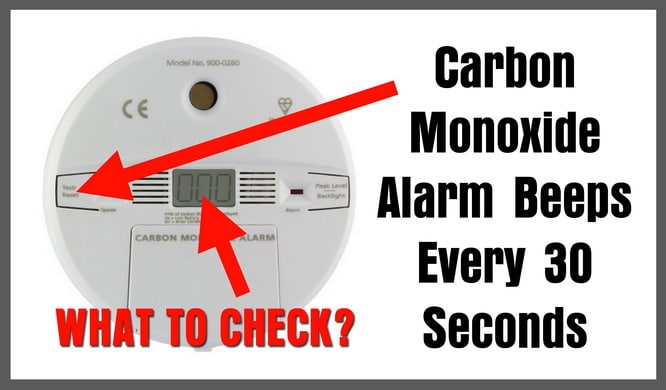
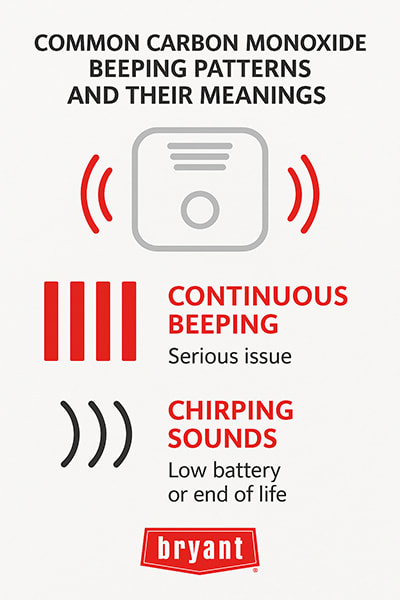
- Know the Chirp: Distinguish between the loud alarm (CO detection) and the smaller, periodic "chirp" (low battery). Replace batteries promptly when you hear the chirp.
- Mind the Expiration Date: CO detectors don't last forever; sensors degrade. Check the manufacturer's date; most need replacement every 5-7 years, even if working.
- React Correctly: If your CO detector gives its full, urgent beep, evacuate everyone immediately, including pets. Call emergency services from a safe location. Never ignore a CO alarm.
Embrace the humble CO detector not as a nuisance, but as a tireless guardian. Its beep is the sound of safety, safeguarding what matters most: your health and life. Ensure yours is installed, tested, and ready to sound the alarm if ever needed.