
Does A Car Seat Have An Expiration Date
Alright, super parents and future super parents, gather 'round! We're about to dive into one of those sneaky little questions that often pops into our heads when we're least expecting it. You know, the kind that makes you pause mid-snack and go, "Wait a minute..."
It's about that trusty, essential, and utterly life-saving contraption that ferries our tiniest treasures from point A to point B: the car seat! We clean it, we adjust it, we meticulously strap our little ones into it. But have you ever stopped to wonder, does this silent guardian have a secret expiration date?
Hold the Phone! Does My Car Seat Have a Best-By Date?
Oh, my goodness, YES! It absolutely, positively does! It might sound wild, like your sofa suddenly needing a "best before" sticker, but car seats are indeed like a really important carton of milk – they come with an expiration date. And it's not just a friendly suggestion; it's a vital safety reminder.
Must Read
This isn't just some quirky factoid to impress your friends at playgroup. It's a fundamental part of keeping your precious cargo safe and sound on every single journey. So, let's peel back the layers of mystery and understand why this date is such a big deal!
Why Oh Why, Mighty Car Seat, Must You Expire?
Think of your car seat as a silent superhero, constantly battling invisible forces. Over time, the materials it's made from – all those wonderful plastics and fabrics – start to degrade. Yes, even superheroes can get a little weary!
Imagine your favorite pair of sneakers that you've loved and worn for years. They might still look okay from a distance, but the soles are thin, the support is gone, and they definitely don't offer the same protection or comfort they once did. Your car seat is a bit like that, but with much higher stakes!
"It's not just about looking good; it's about inner strength!"
The plastics can become brittle and less resilient over time, especially with exposure to temperature changes, sunlight, and everyday wear and tear. These plastics are critical for absorbing impact in a collision, and if they're compromised, their ability to protect diminishes significantly.
Then there are the fabrics and harnesses. While they might appear sturdy, repeated tightening and loosening, spills, and washes all contribute to their gradual weakening. The stitching, the buckles, even the tiny springs inside the mechanisms can suffer from invisible fatigue.
It's a lot like that well-loved toy from your own childhood. It survived countless adventures, but eventually, parts became wobbly, colors faded, and it just wasn't quite as robust as it used to be. Car seats, while built for tough love, are no exception to the march of time.
Another gigantic reason for the expiration date is the ever-evolving world of safety standards. Car seat technology is constantly improving! What was considered cutting-edge safety a decade ago might have been surpassed by newer, even safer designs and testing protocols.
Manufacturers are always learning, innovating, and adapting to provide the absolute best protection. An expired car seat simply won't incorporate these crucial, modern safety advancements, which are designed to keep up with the latest research on child safety in vehicles.
The Great Date Hunt: Where Does It Hide?
So, where does this mysterious date lurk? You won't find it boldly printed on the front, shouting for attention like a sale sign. Instead, it's usually tucked away, discreetly placed for serious safety sleuths like us.
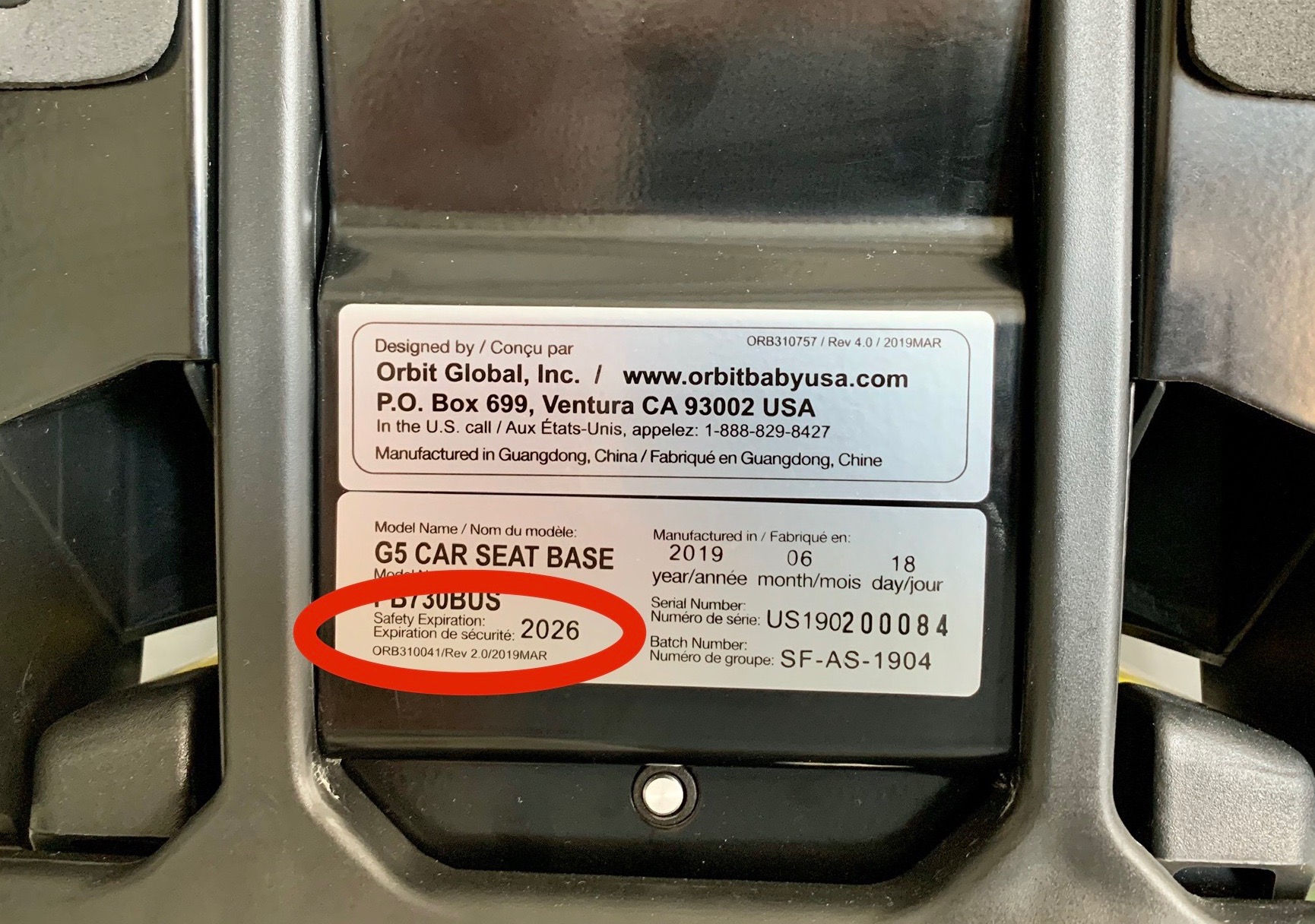
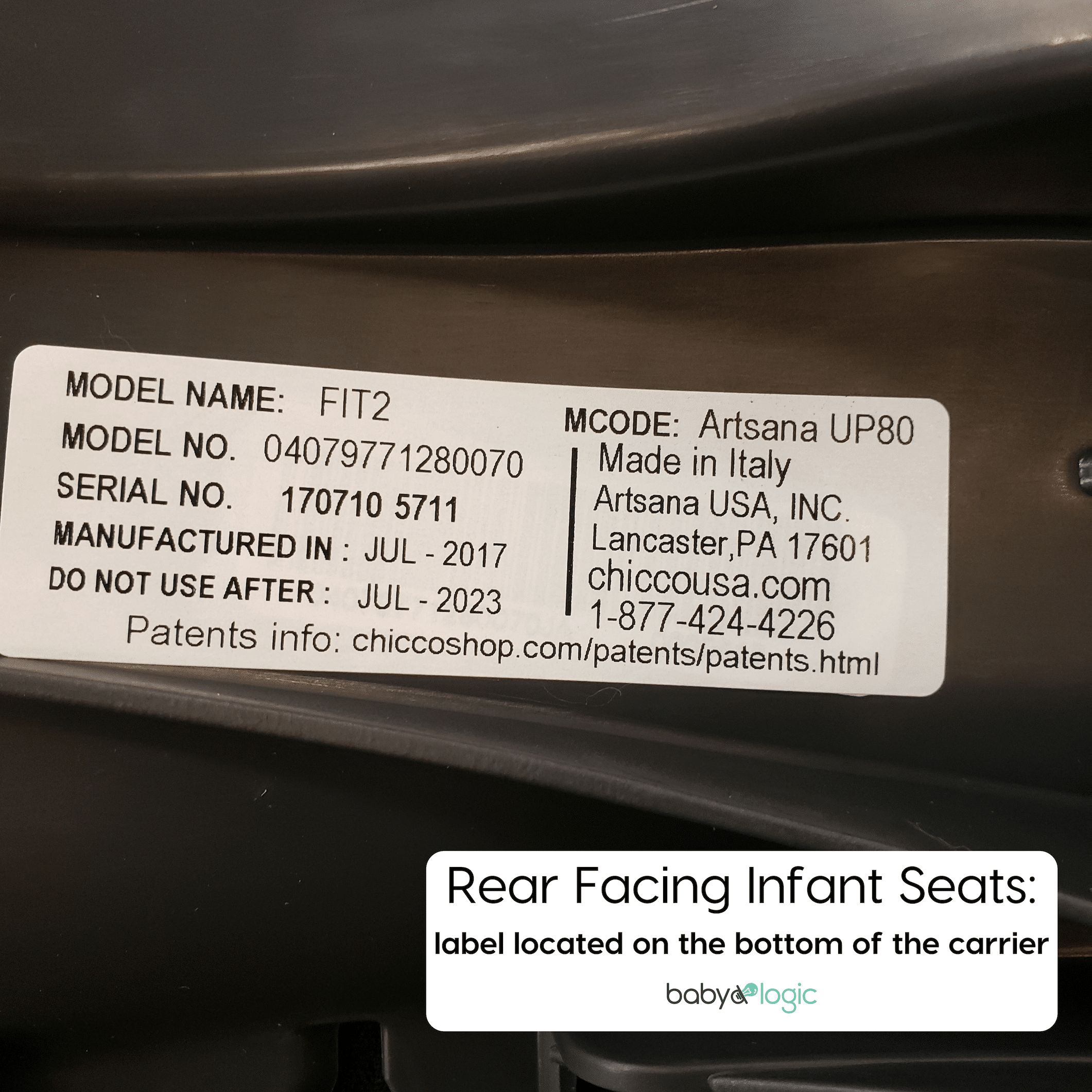
Most often, you'll find the expiration date (or sometimes the "Date of Manufacture", which you'll use to calculate the expiration) on a sticker on the back or bottom of the car seat. It might be molded into the plastic itself.
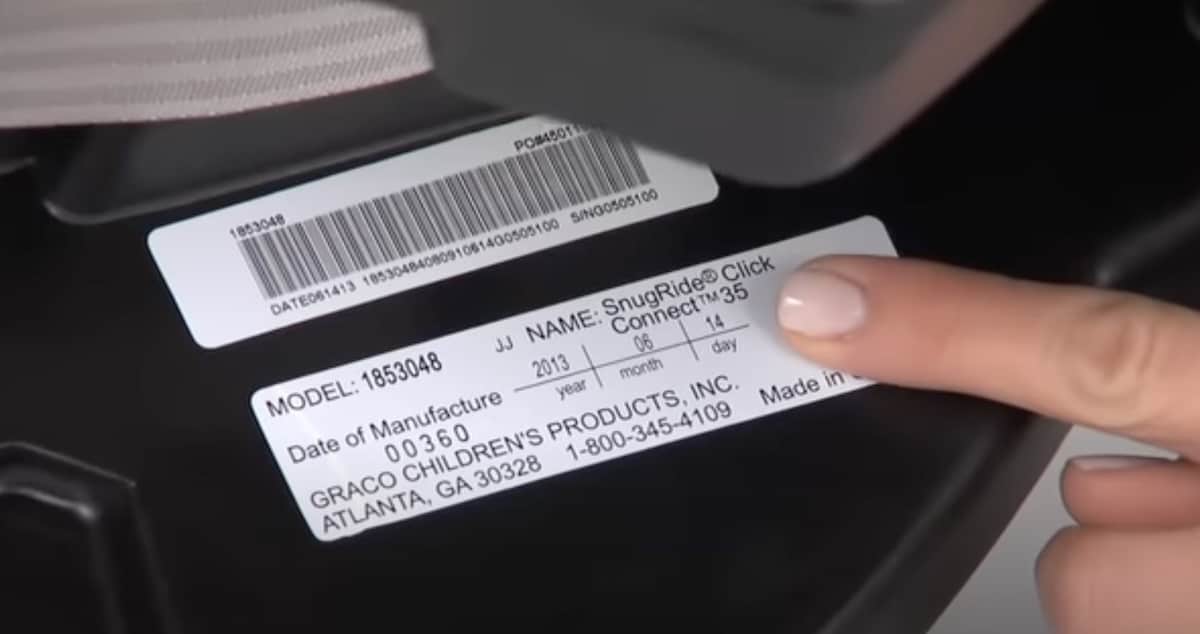
Look for a label that states "Do Not Use After" or something similar. If you only find the Date of Manufacture (DOM), you'll typically add six to eight years to that date, depending on the manufacturer's guidelines. A quick peek at your car seat's manual (yes, that magical book!) will give you the exact lowdown.
"Think of it as a secret mission to protect your little one's future rides!"
Sometimes, manufacturers even mold the date directly into the plastic shell, often near the side or underneath. It might look like a clock face with an arrow pointing to the month and year, or simply a printed series of numbers.
Don't be shy! Grab your car seat, turn it over, or feel around the edges. It's often found on the underside of the base for infant seats, or on the back or side for convertible and booster seats. Consider it your exciting quest for ultimate safety knowledge!
Beyond the Expiration: The Invisible Forces at Play!
It's not just the clock ticking that causes a car seat to retire. Think about everything your car seat experiences! It sits in your car, baking in the summer sun, freezing in the winter cold. These extreme temperature fluctuations can accelerate the breakdown of the plastic.
Those powerful UV rays from the sun, even filtering through your car windows, are like tiny little material-eating monsters. Over years, they relentlessly attack the integrity of the plastic, weakening its structure bit by bit, silently eroding its protective powers.
And let's be honest, car seats lead a tough life! They get bumped, they get scraped, they endure countless snacks, spills, and probably a few rogue art projects. All of this daily action, though seemingly minor, contributes to the overall wear and tear.
The straps are pulled taut daily, the buckles are clicked and unclicked hundreds of times. These actions, combined with the material degradation, mean that an expired car seat might not perform as it was originally designed to in the event of a crash, even if it "looks" fine.
Imagine your car seat is a highly trained athlete. Even the best athletes have a peak performance period, after which their capabilities, while still present, are no longer at their absolute strongest. You want your child's safety equipment to be in its absolute prime.
So, My Car Seat's Ticking Along... What Now?
If you discover your car seat has gracefully aged past its expiration date, please don't fret! This isn't a moment for panic, but a moment for proactive, loving action. The best thing to do is to replace it with a brand-new, up-to-date model.
Resist the urge to pass down an expired car seat to a friend or family member, or to use it for a subsequent child. Its safety superpowers are diminished, and it simply won't offer the same level of protection. Think of it as retiring a beloved superhero costume – it's time for a new hero to take the stage!

Many communities have recycling programs specifically for expired or damaged car seats. Check with your local recycling center or even some major baby retailers, as they sometimes offer trade-in events that can help you dispose of the old one responsibly and even save a little on a new one.
Cutting the straps and marking the shell with "EXPIRED" or "UNSAFE" before disposal is a great way to ensure it's not accidentally reused. It's a small but powerful act of kindness, making sure no other family unknowingly puts their little one at risk.
"An expired car seat is like a guardian angel whose wings are a little tattered – still there in spirit, but not as strong for flight!"
Upgrading to a new car seat feels fantastic! You get all the latest features, the freshest safety technology, and most importantly, an incredible surge of peace of mind knowing your little one is riding in the safest possible way. It’s a wonderful feeling!
The Joy of an Upgrade: Peace of Mind for You, Safety for Them!
Embracing the car seat expiration date isn't about scaring you; it's about empowering you with knowledge and reinforcing the incredible love you have for your children. It's one of those silent, everyday acts of parenting heroism that truly makes a difference.
So, take a moment, check that date, and if it's time to say goodbye to your car seat, do so with a heart full of gratitude for its years of service. Then, welcome a brand-new, shiny guardian ready to embark on countless new adventures with your little explorer.
You're not just buying a piece of gear; you're investing in your child's safety and your own peace of mind. And honestly, isn't that one of the best feelings in the world? Go forth, super parent, and keep those precious kiddos safe!