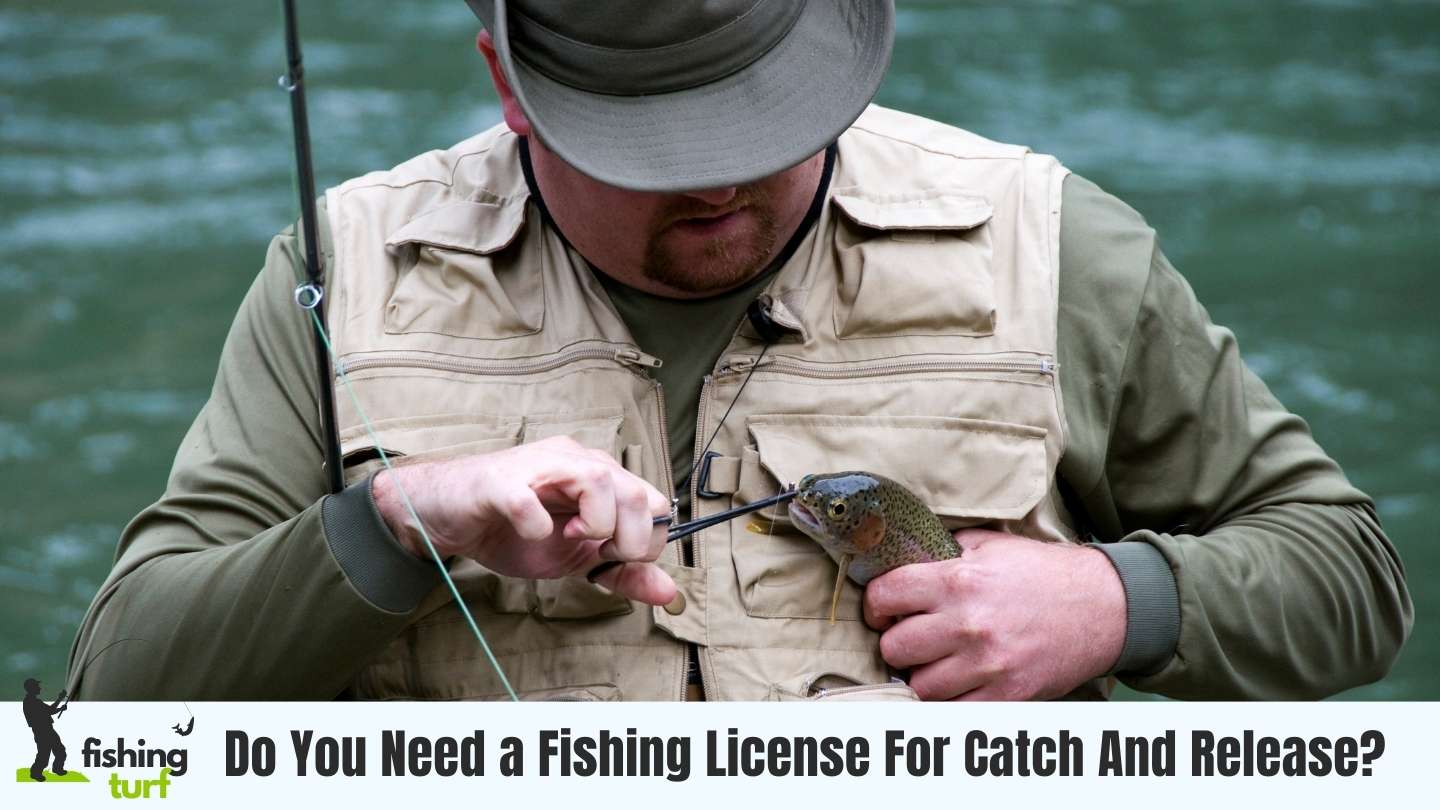
Do You Need A Fishing Licence To Catch And Release

There's something undeniably captivating about standing by the water's edge, line cast, and the world fading away. Whether you're a seasoned angler or a curious beginner, fishing offers a unique blend of relaxation, challenge, and connection with nature. And for many, the ultimate satisfaction comes not from landing a keeper, but from the act of catch and release, a practice that's growing in popularity and importance. But before you grab your rod and head to your favorite fishing hole, a crucial question often arises: Do you need a fishing license to catch and release?
The allure of catch and release lies in its commitment to conservation. It allows us to enjoy the thrill of the sport while minimizing our impact on fish populations. In essence, it's about responsible angling, ensuring that future generations can also experience the joy of reeling in a beautiful trout, a feisty bass, or a shimmering salmon. The benefits extend beyond simply preserving fish stocks. Healthy fish populations contribute to a balanced ecosystem, supporting other aquatic life and even benefiting human communities that rely on these resources.
Catch and release is a widely applied practice across various fishing scenarios. You might see it in action during competitive fishing tournaments where anglers strive to catch the largest fish, measure and document their catch, and then release it back into the water. It's also common among recreational anglers who enjoy the sport but prioritize the well-being of the fish. Many fisheries enforce strict catch and release regulations for certain species or during specific seasons to protect vulnerable populations during spawning periods. Imagine a pristine mountain stream teeming with trout, thanks to the widespread adoption of catch and release techniques.
Must Read
Now, back to the question of licensing! The answer, unfortunately, isn't always straightforward. In most jurisdictions, yes, you DO need a fishing license even if you intend to release every fish you catch. Think of it as a contribution towards conservation efforts. License fees often fund vital research, habitat restoration projects, and enforcement of fishing regulations. However, it’s always best to check the specific regulations of the state or region where you plan to fish. Some areas may have exceptions for certain age groups (typically children under a certain age) or for specific types of fishing (like fishing on private property). A quick search on your state's fish and wildlife agency website will provide the definitive answer.
To make your catch and release fishing even more effective and enjoyable, consider these practical tips: Use barbless hooks or crimp down the barbs on your existing hooks. This makes it much easier to remove the hook quickly and cleanly, minimizing stress and injury to the fish. Handle fish with wet hands or gloves to protect their delicate slime coat, which acts as a barrier against infection. Keep the fish in the water as much as possible while removing the hook. If you need to take a photo, do it quickly and efficiently. Revive the fish before releasing it. Gently hold it facing upstream in the current until it regains its strength and swims away on its own. By following these guidelines, you can contribute to the long-term health of our fisheries and ensure that the thrill of the catch remains a sustainable joy for years to come. And remember, always check and adhere to local fishing regulations, including licensing requirements!