Do You Have To Pay Taxes In Texas
My buddy, Mike, bless his cotton socks, called me up last month. He was packing up his life in California, dreaming of wide-open spaces and, apparently, a wallet that felt a little heavier. "Dude," he boomed, "I'm moving to Texas! No state income tax, right? It's gonna be like, tax-free heaven! I'll be practically swimming in cash!" I chuckled, picturing him doing the Scrooge McDuck dive into a pile of un-taxed dollars. Oh, Mike. If only it were that simple.
That conversation, dear reader, made me realize something important: a lot of folks, just like Mike, have this glorious, shimmering mirage of Texas being this magical land where the taxman conveniently forgets your address. But is it true? Do you really not have to pay taxes in Texas? Let's peel back the layers of that myth, shall we?
No State Income Tax (The Good News!)
First off, Mike wasn't entirely wrong. Texas is indeed one of a handful of states that does not levy a state income tax. And that's a pretty big deal, especially if you're coming from a state where a significant chunk of your paycheck vanishes before it even hits your bank account. So, for your take-home pay, yay Texas! This is where a lot of the "tax-free" idea comes from, and it's certainly a draw for many.
Must Read
But Wait, There's More! (The Reality Check)
But hold your horses, cowboy. Just because your income isn't directly taxed by the state doesn't mean you get a free pass on contributing to the Lone Star State's coffers. Because, let's be real, someone's gotta pay for those roads, schools, police, fire departments, and all the other essential services that make a state, well, function.
The Big Players: Property Tax
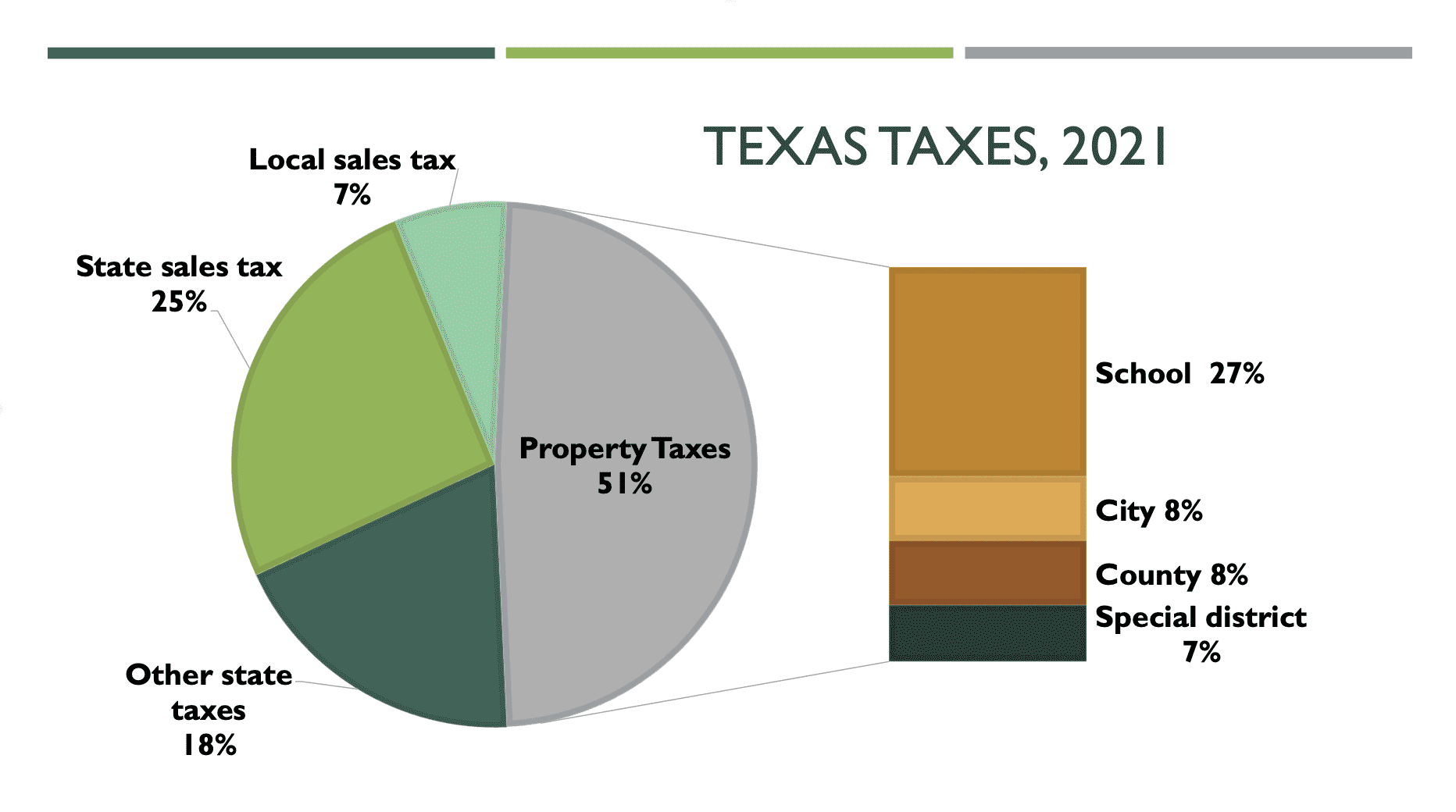
Enter, stage left, the heavyweight champion of Texas taxes: property tax. Oh boy, do Texans pay property taxes! This isn't a state tax, mind you. It's assessed and collected by local entities – your county, your city, your school district, even special districts. And they can be high. We're talking some of the highest effective property tax rates in the entire U.S.

So, while you might be high-fiving yourself for keeping your income, that annual bill for your house (or land) might just make your eyes water. It’s how Texas pays for a lot of what other states fund with income tax. Pretty clever workaround, if you ask me!
Sales Tax
Next up, we have sales tax. You know, that little extra percentage they tack on almost everything you buy? In Texas, the state sales tax rate is 6.25%, but cities, counties, and special purpose districts can add their own local sales taxes, bringing the combined rate up to a maximum of 8.25%.
So, every time you grab groceries (mostly, there are some exemptions), fill up your gas tank, buy a new pair of boots, or get a new gadget, you're contributing. It adds up, especially if you're a keen shopper! That new flat-screen TV isn't quite as "tax-free" as you might have hoped.

Other Taxes (The Supporting Cast)
And it doesn't stop there, friend. Texas also has:
- Fuel taxes: Yep, a chunk of what you pay at the pump goes to state and federal coffers.
- Hotel occupancy taxes: Staying somewhere fancy? You'll pay extra.
- "Sin taxes": On things like alcohol and tobacco. (Because apparently, indulging has its own price tag!)
- For businesses, there's the franchise tax. But that's a whole other can of worms for another day.
The Trade-Off
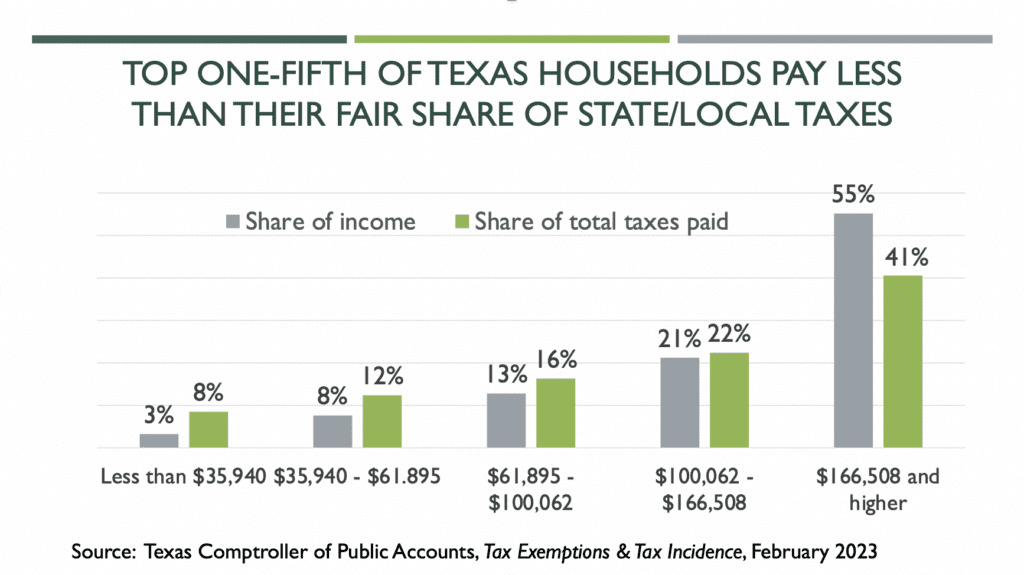
So, what's the verdict? Do you have to pay taxes in Texas? The unequivocal answer is: YES, you absolutely do. It's just structured differently. Instead of a state income tax, Texas leans heavily on property taxes and sales taxes to fund its public services. It's a trade-off, right? You keep more of your paycheck, but you might pay more for your home and everything you buy.
For some, this structure works out wonderfully. For others, particularly those with expensive homes, it can feel like a heavier burden. It really just depends on your personal financial situation and spending habits.
Wrapping It Up
So, my dear reader, the next time someone tells you Texas is a tax-free paradise, you can smile knowingly and explain the nuances. It's not a free ride; it's just a different ride. And knowing the difference can save you from a nasty surprise when those property tax bills start rolling in.
Now, if you'll excuse me, I'm off to explain this to Mike. Wish me luck – he still thinks he's going to retire early just by crossing state lines! Bless his heart.