
Do The New Iphones Have A Different Charger
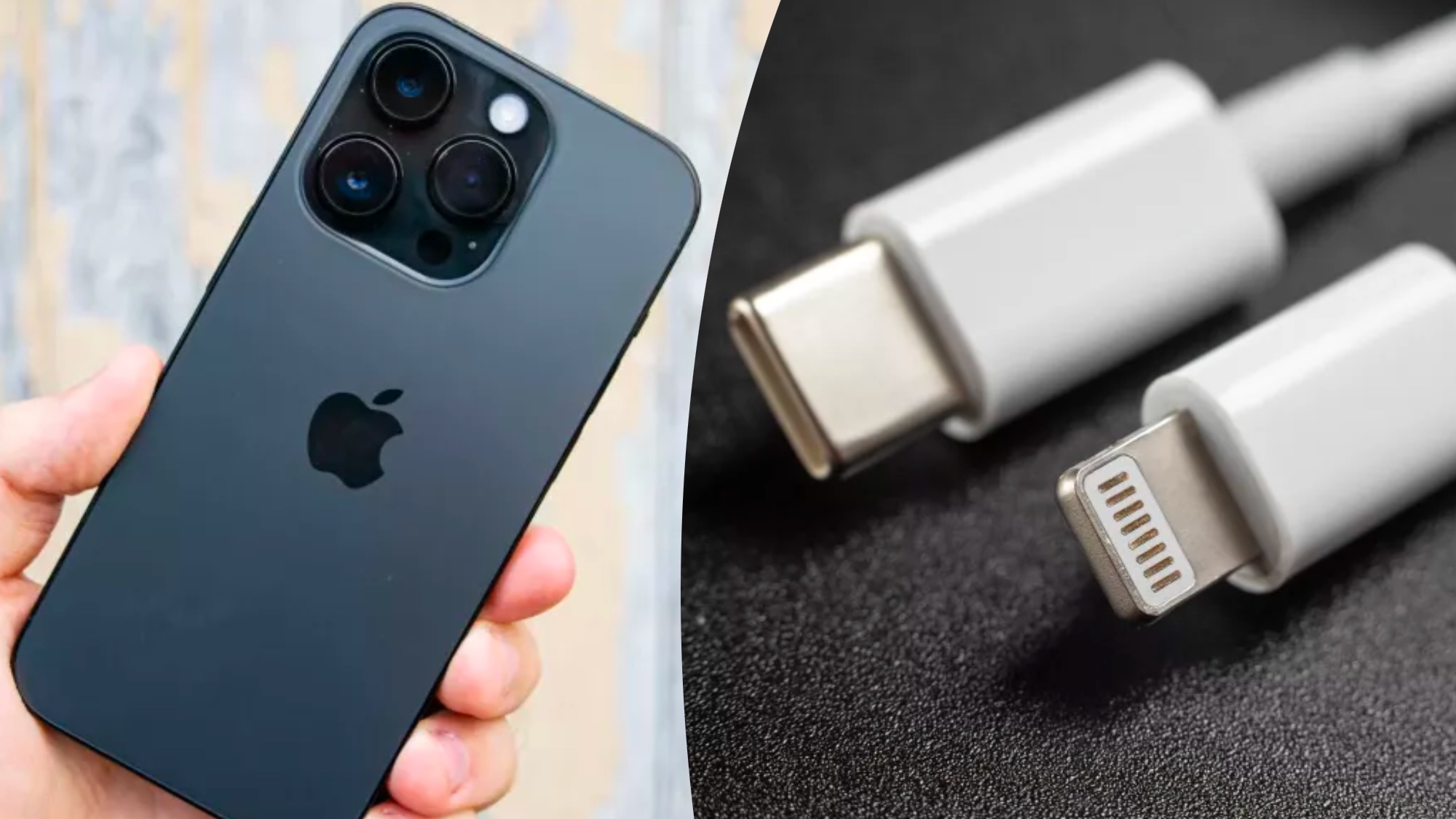
Okay, tech lovers, let's talk iPhones. Specifically, let's untangle the charger situation. It's a bit like navigating a crowded music festival – you think you know where you're going, but then you're suddenly surrounded by flashing lights and unfamiliar faces (or, in this case, cables).
The Lightning Bolt Legacy
For years, iPhones (from the iPhone 5 onward) rocked the Lightning connector. Think of it as Apple's proprietary handshake, a sleek, reversible plug that became synonymous with the brand. This was Apple's world, and we were all just living in it, buying Lightning cables like they were going out of style (which, hint hint, they kind of are!).
So, the short answer to the question of whether new iPhones have a different charger used to be, "Nope, still Lightning!" But, hold on tight, because the plot thickens...
Must Read
Enter USB-C: The Universal Challenger
The tech world has been moving towards USB-C for a while now. It's the super-versatile port that powers everything from Android phones and laptops to Nintendo Switches. It’s faster, more powerful, and increasingly becoming the universal standard. Think of it as the Esperanto of the tech world – everyone’s trying to speak it.
For a while, Apple held firm, sticking with Lightning. But the winds of change are blowing, fueled by a mix of consumer demand, regulatory pressure (especially from the EU), and the sheer practicality of a single connector for everything.
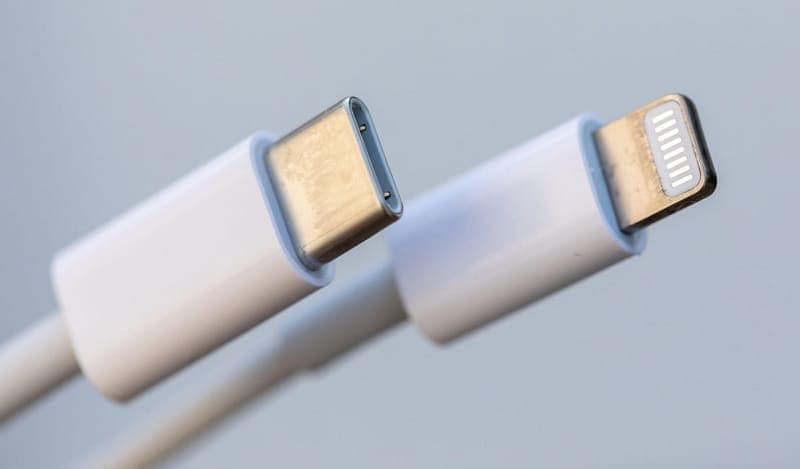
So, here's the scoop: The iPhone 15 series has officially made the jump to USB-C! Cue the confetti!
What This Means For You (and Your Gadget Drawer)
This shift to USB-C is a big deal. Here’s the breakdown:
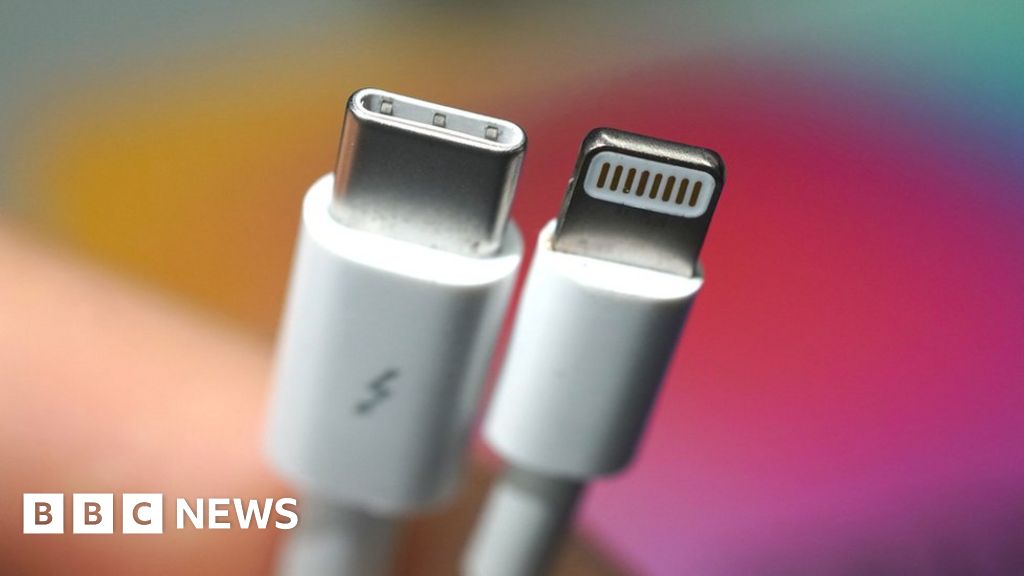
- Faster Charging: USB-C generally allows for faster charging speeds, meaning less time tethered to a wall and more time, you know, living your best life.
- Data Transfer Boost: Transferring photos, videos, and files will also be quicker and more efficient. No more watching that progress bar inch along like a snail.
- One Cable to Rule Them All: Potentially, you can use the same cable to charge your iPhone, your laptop, your headphones, and maybe even your tablet. Less clutter, less confusion.
- Adapter Life: If you’re heavily invested in Lightning accessories, you might need to invest in adapters. Think of it as a temporary tax on your early adoption of Apple’s ecosystem.
Pro Tip: Consider investing in high-quality USB-C cables that support Power Delivery (PD) for the fastest charging speeds. Not all USB-C cables are created equal!
The Lightning Legacy: Not Quite Extinct
While the iPhone 15 has embraced USB-C, it's important to remember that millions of iPhones still use Lightning. Apple accessories like AirPods and some older iPads still utilize the Lightning port. So, those cables aren't going completely extinct just yet. You might still need them kicking around for a while.
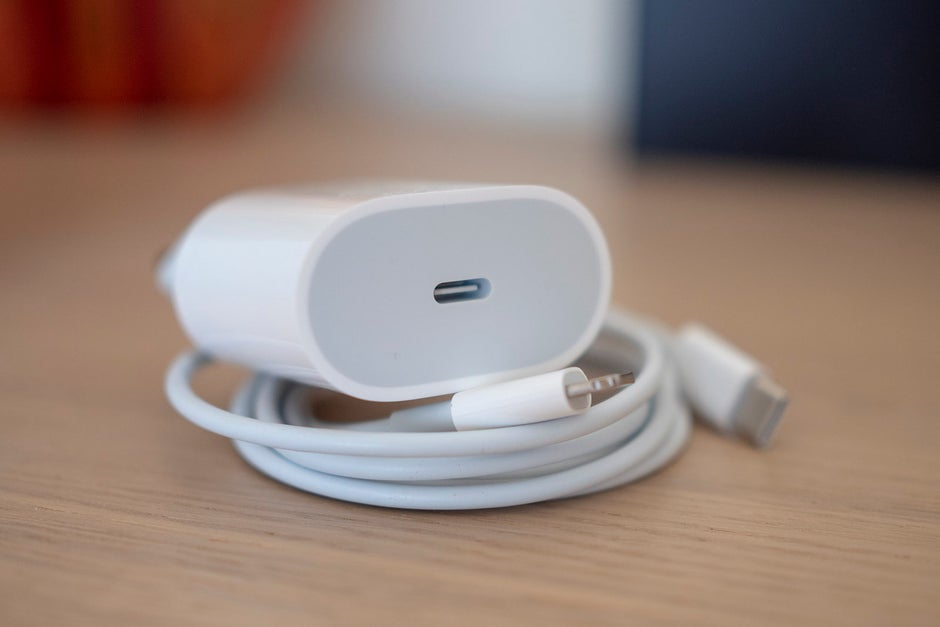
Fun Fact: The Lightning connector was introduced in 2012, replacing the older 30-pin dock connector. Remember that monstrosity?
Embrace the Change (and Maybe Label Your Cables)
The move to USB-C is ultimately a positive one for consumers. It simplifies our lives, reduces e-waste (in the long run, at least), and brings iPhones in line with the rest of the tech world.
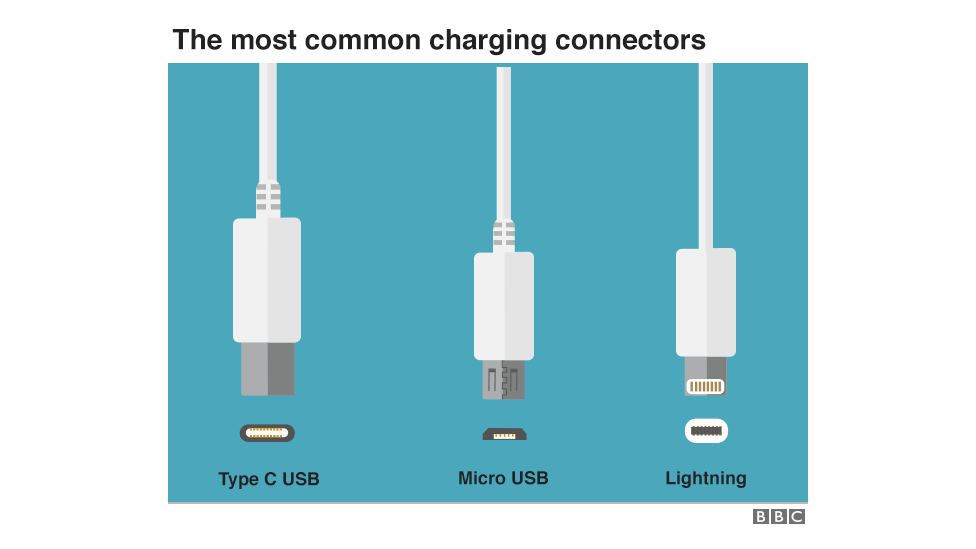
Of course, there will be a period of adjustment. Finding the right cables, remembering which devices use which connector, and resisting the urge to just throw all your old cables in a drawer and forget about them. It’s like Marie Kondo-ing your tech life – a little painful at first, but ultimately liberating.
Practical Tip: Label your cables! A simple label maker can save you a ton of frustration. Trust me.
A Reflection on Connection
In a world that's constantly changing and evolving, even something as seemingly simple as a phone charger can feel significant. It's a reminder that technology is always in flux, and that adapting to new standards is just part of modern life. Whether it's embracing USB-C or learning a new software update, our ability to adapt and connect is what ultimately matters. And hey, at least now we have one less type of cable to argue about at the airport charging station.