
Do Texas Have State Income Tax

Hey there, ever found yourself pondering the nitty-gritty details of how different states handle their money? Maybe you're dreaming of a move to the Lone Star State, or perhaps you just love a good financial riddle. There's one question that pops up pretty often when folks talk about Texas, and it's a real head-scratcher for many: Does Texas have state income tax?
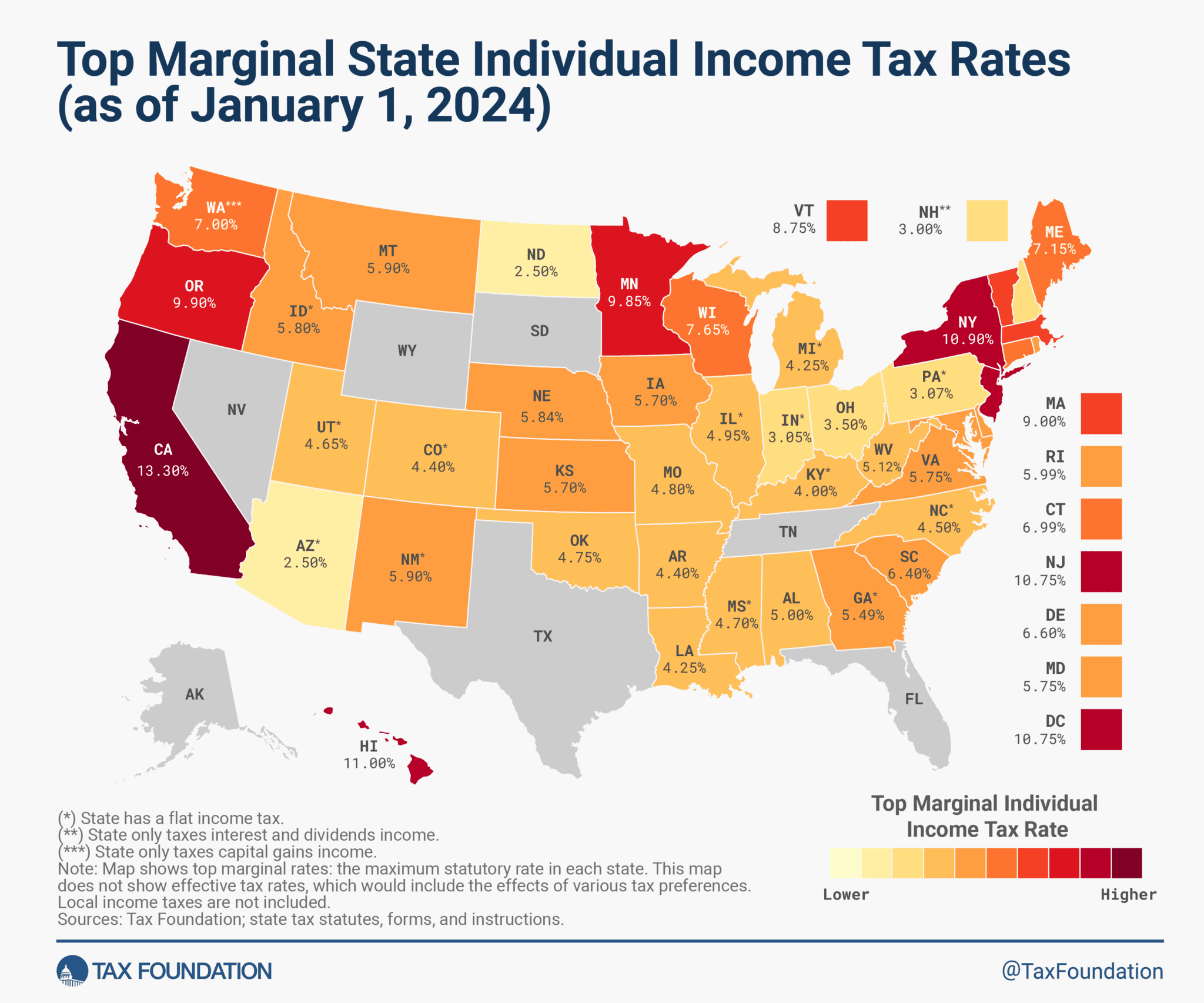
Spoiler alert, my friends, because the answer is a resounding, delightful NO!
No State Income Tax? Really?
Yep, you read that right. When you get a paycheck in Texas, the state itself isn't taking a slice of your hard-earned wages right off the top. Think about that for a second. It's like getting your favorite takeout order and realizing they threw in an extra spring roll for free. That money, the part that other states might send to their capitol, stays right there, jingling in your pocket. Pretty sweet, right?
Must Read
This is a pretty big deal, especially for folks who are used to seeing a significant chunk of their earnings disappear to state income tax deductions. For many, it means a noticeably larger take-home pay from each paycheck. Imagine what you could do with that extra cash – more money for those epic Texas BBQ adventures, tickets to a rodeo, or maybe even a snazzy new pair of cowboy boots!
It can feel like a breath of fresh air for your wallet. Instead of constantly calculating what percentage of your income is going to the state, you get to keep more of what you earn immediately. This can be a huge factor for individuals and businesses alike when considering where to plant their roots.

So, How Does Texas Keep the Lights On?
Now, this is where the curious part really kicks in. If Texas isn't collecting income tax, how does it manage to fund its schools, fix its roads, support public services, and generally keep the whole massive state running smoothly? Well, just like a good mystery novel, there’s another layer to unravel.
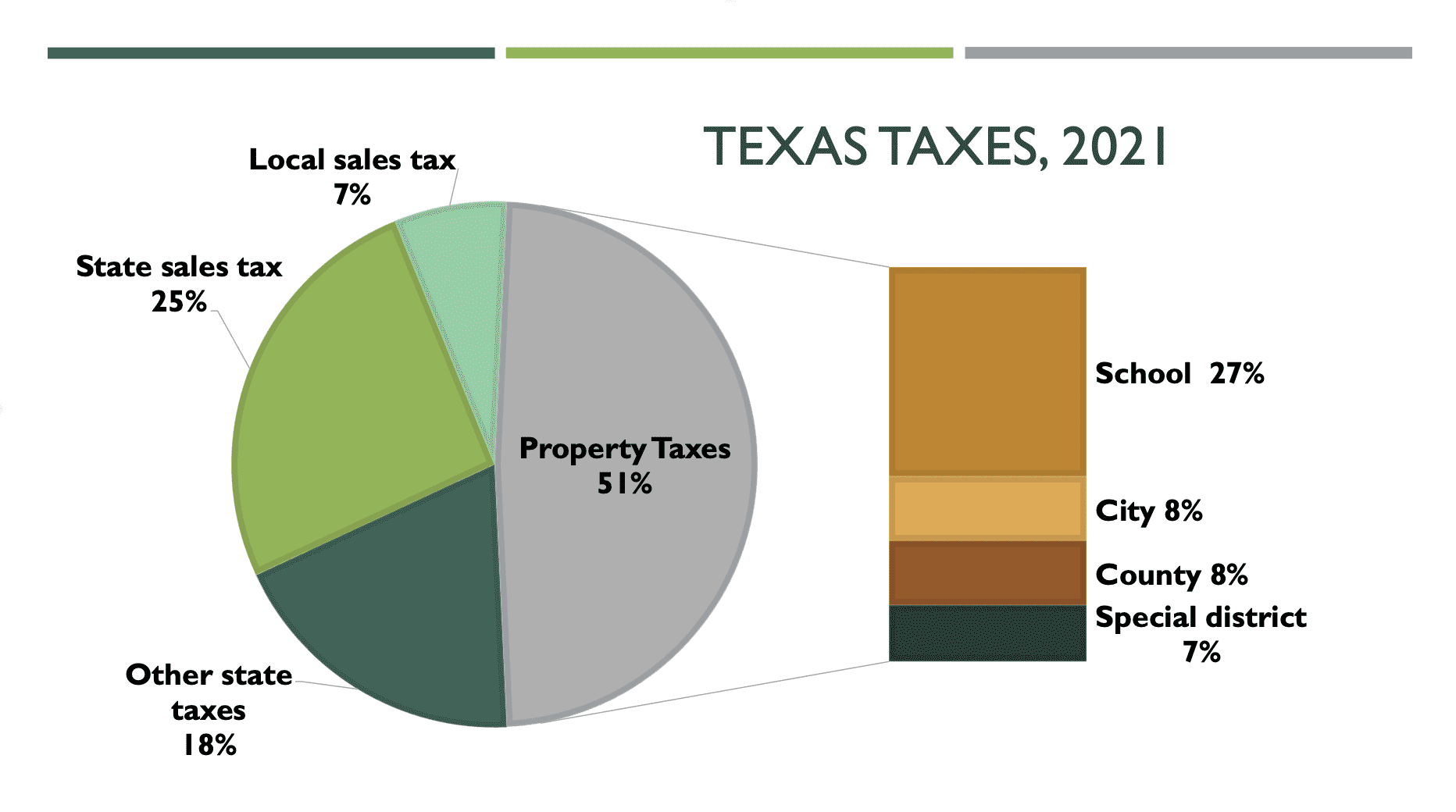
Texas, like many states without an income tax, relies on a different set of financial tools to fund its operations. The two big players in this game are sales tax and property tax.
The Sales Tax Shuffle
Every time you make a purchase in Texas, chances are you're paying a little extra on top of the sticker price. That's the sales tax. Whether you're buying a new gadget, some clothes, or even just your everyday groceries (though many food items are thankfully exempt!), a portion of that goes to the state and local governments.
It's a way for everyone to contribute to the state's coffers, regardless of their income level. The more you buy, the more you contribute. It’s like a hidden hand in your shopping cart, subtly funding everything from public parks to state highways.
Property Tax: The Big One for Homeowners
If you own a home in Texas, you'll quickly become very familiar with the concept of property tax. This is often the heaviest hitter in the Texas tax system, especially for homeowners.
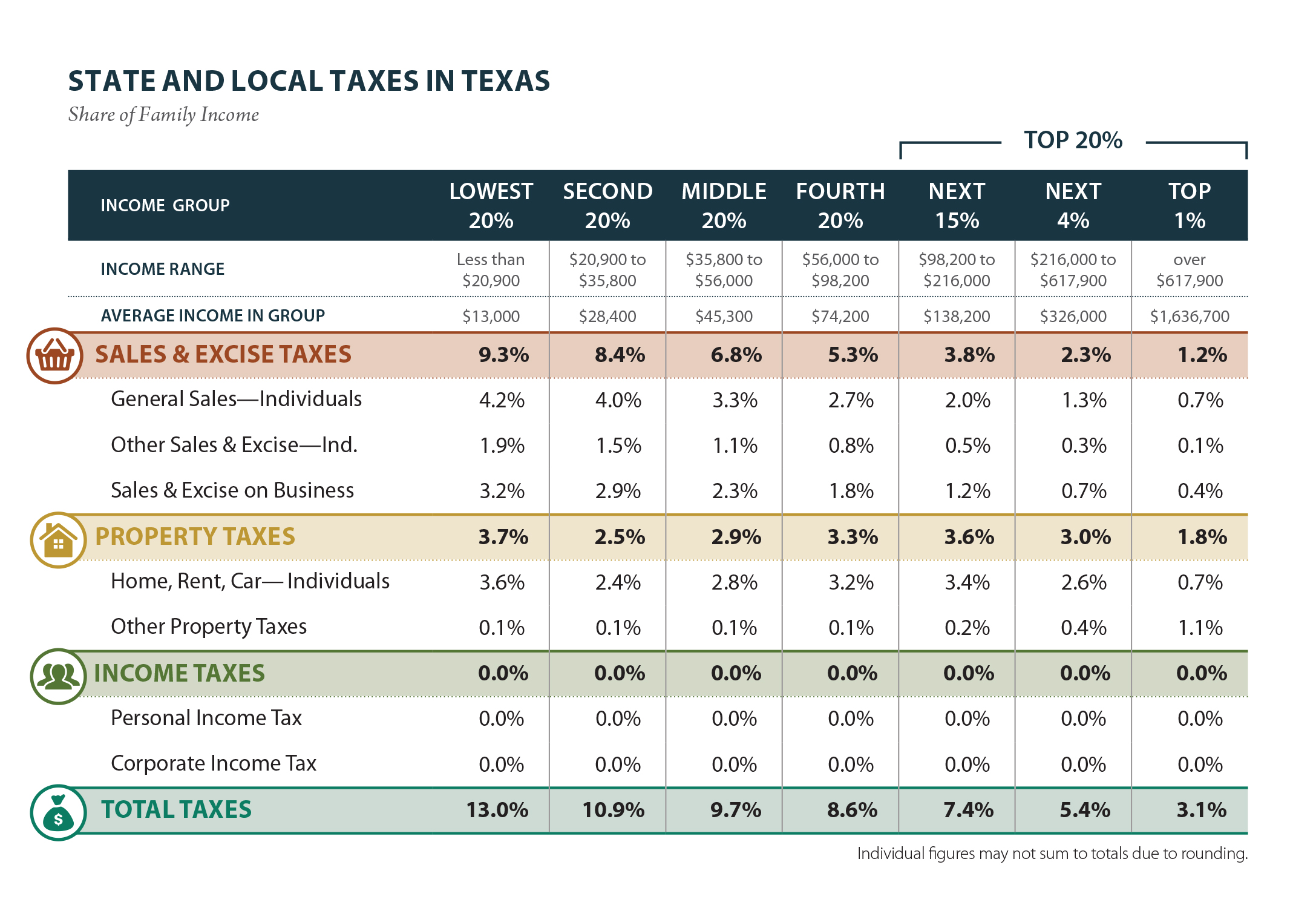
Property taxes are levied by local governments – cities, counties, and independent school districts – and they can be quite substantial. In fact, Texas property taxes are often cited as some of the highest in the nation. This money is crucial for funding local services like public schools, fire departments, police forces, and community infrastructure. So, while you might not have state income tax, your annual property tax bill can be a real eye-opener, particularly in desirable areas with booming housing markets.
It's a different way of balancing the books. Instead of a percentage of your wages going to the state, a chunk of your home's value contributes to your local community's needs. It's like the state decided to put its eggs in a different basket, shifting the burden from earned income to consumption and property ownership.
A Different Flavor of Financial Pie
So, what does this all mean? It means that taxes don't just magically disappear when you move to Texas; they just appear in different forms. Instead of an income-based deduction, you're contributing through your purchases and, if you're a homeowner, through your property.
It's like choosing between paying for your coffee with a monthly subscription versus paying per cup – different systems, same goal of getting that delicious brew (or in this case, funding the state!). This unique setup can be a big draw for certain individuals and businesses, as the immediate benefit of higher take-home pay is very attractive.
Ultimately, Texas's no-state-income-tax policy is a defining characteristic of its financial landscape. It shapes economic decisions, influences migration patterns, and certainly makes for interesting dinner table conversation. It’s a trade-off, like most things in life, but it certainly adds a spicy, independent twist to the financial identity of the Lone Star State.
So, next time you're enjoying some fantastic Tex-Mex, knowing a bigger slice of your paycheck stayed in your pocket, give a little nod to that interesting tax system. Pretty cool, huh?