Do Terpenes Show Up On Drug Test
Ever caught a whiff of a pine forest and felt instantly relaxed? Or maybe a burst of citrus aroma energized you? That’s the magic of terpenes! These fragrant compounds are responsible for the unique smells and flavors of plants, and they're increasingly popular in everything from aromatherapy to skincare. But with all the buzz, a common question pops up: "Do terpenes show up on drug tests?" It's a valid concern, especially if you're new to the world of terpenes or facing a potential drug screening. Let's break it down in a way that's easy to understand.
So, why should you care? For beginners, knowing the basics about terpenes helps you understand the products you're using. Are you drawn to lavender essential oil for relaxation? It’s likely due to the terpene linalool. For families, understanding terpenes can be useful when choosing natural cleaning products or even understanding the aromas of fruits and vegetables. And for hobbyists, whether you're a budding herbalist or just enjoy experimenting with essential oils, knowing which terpenes offer which benefits can enhance your creations.
Now, the big question: Will terpenes trigger a positive drug test? The simple answer is generally no. Standard drug tests are designed to detect specific substances, primarily THC (tetrahydrocannabinol), the psychoactive compound in cannabis. Terpenes, on their own, are not what drug tests screen for. However, there's a very important caveat: products containing terpenes can sometimes also contain trace amounts of THC, especially if they are derived from cannabis plants. This is where things get tricky.
Must Read
Think of it like this: you're baking a cake. Terpenes are like the vanilla extract – they add flavor and aroma. THC is like accidentally dropping a tiny bit of food coloring in the batter. Most drug tests are looking for that food coloring (THC), not the vanilla (terpenes). But, if your "vanilla extract" (terpene product) was contaminated with food coloring (THC), you could have a problem.
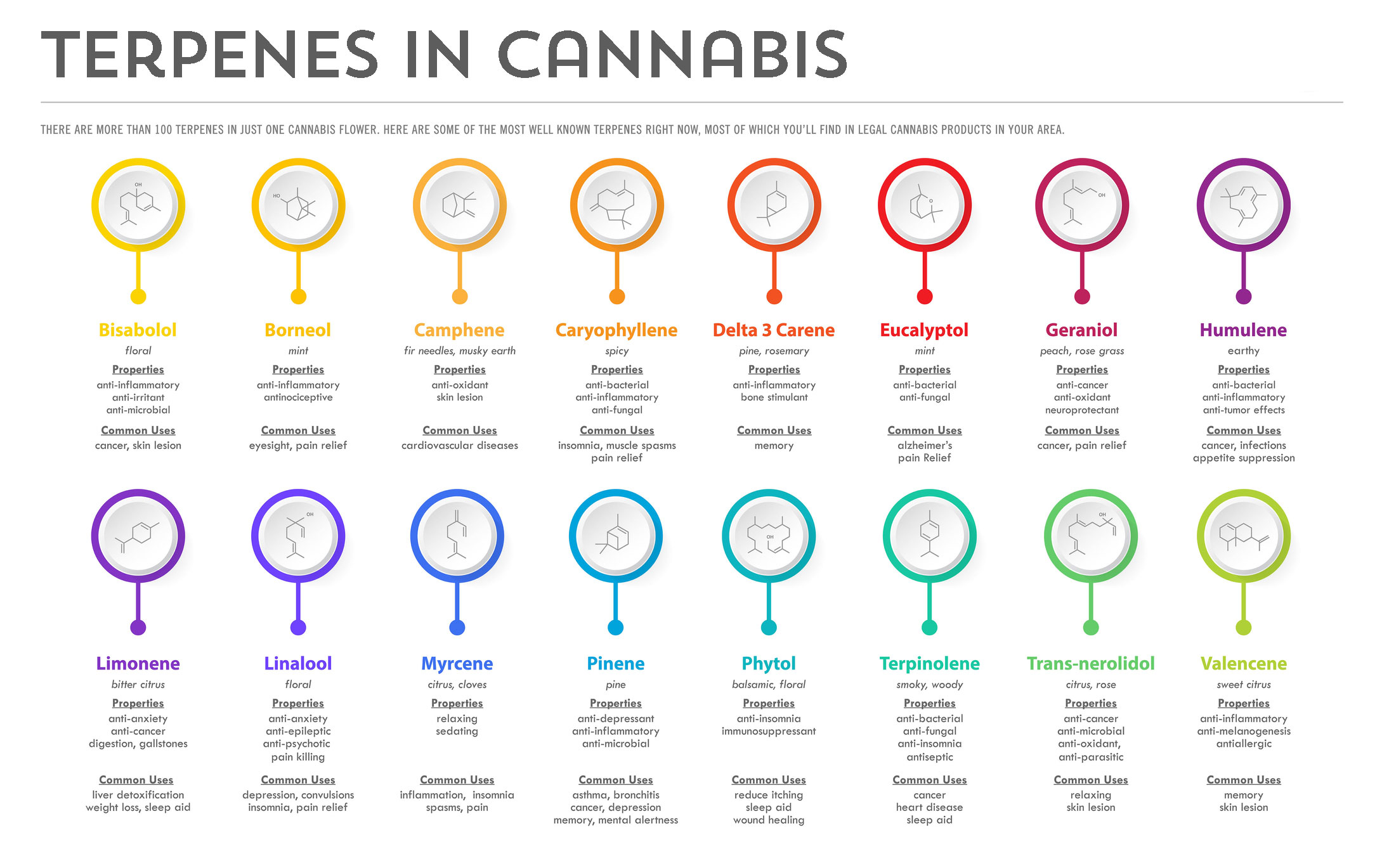
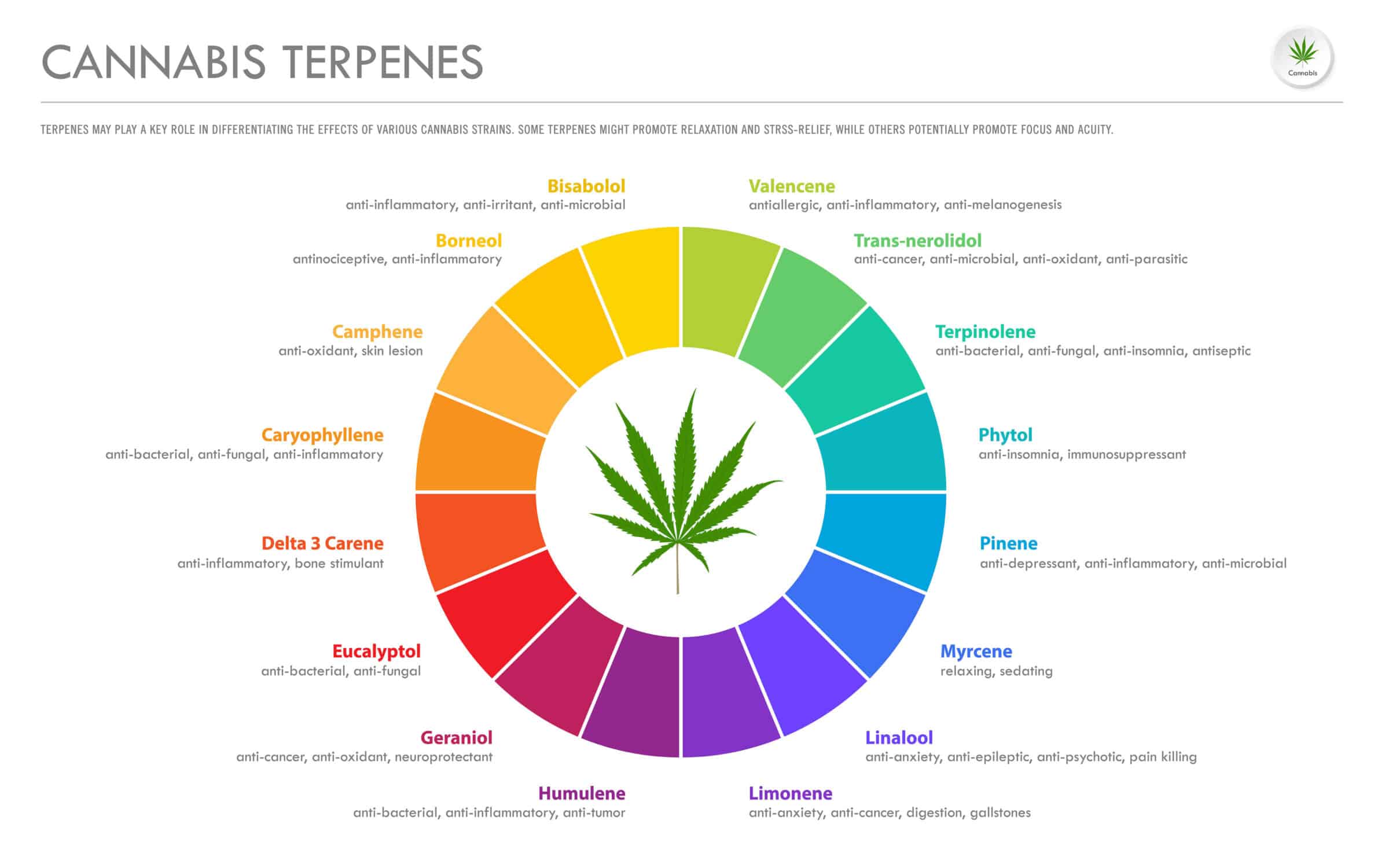
Examples of common terpenes include: Limonene (found in citrus fruits, known for its uplifting properties), Pinene (found in pine trees, thought to improve alertness), and Myrcene (found in hops and mangoes, believed to promote relaxation). Variations of terpene products include pure terpene isolates, terpene-rich essential oils, and terpene blends added to various consumer goods.

Here are a few practical tips to stay safe and informed: * Read Labels Carefully: Always check the ingredients and lab reports of any product containing terpenes, especially if it's derived from cannabis. Look for information about THC content. * Choose Reputable Brands: Purchase terpenes from trusted companies that conduct thorough testing and provide transparent information about their products. * Be Aware of Cross-Contamination: If you work in an environment where cannabis products are handled, be mindful of potential cross-contamination, which could lead to a false positive. * Know Your Employer's Policy: If you're concerned about drug testing, familiarize yourself with your employer's policies regarding cannabis use, even if it's for legal hemp-derived products.
In conclusion, while terpenes themselves are unlikely to cause a positive drug test, it's essential to be cautious about the products you're using and their potential THC content. Understanding the basics and being a savvy consumer allows you to enjoy the aromatic and therapeutic benefits of terpenes without unnecessary worry. So, go ahead, explore the fragrant world around you and appreciate the powerful impact of these fascinating plant compounds. You might just discover your new favorite scent, or even a new way to relax and unwind.