Do Storm Windows Help In Summer

Ever find yourself squinting at your summer energy bill, wondering how to keep cool without emptying your wallet? It's a common dilemma, and one that often leads to a lightbulb moment: "Wait, aren't storm windows just for winter?" That's where the fun begins! Exploring whether storm windows lend a helping hand in the heat of summer isn't just about saving a few bucks; it's about unlocking a secret weapon for home comfort. It's a surprisingly popular and useful question for keeping your home a breezy oasis when the sun blazes.
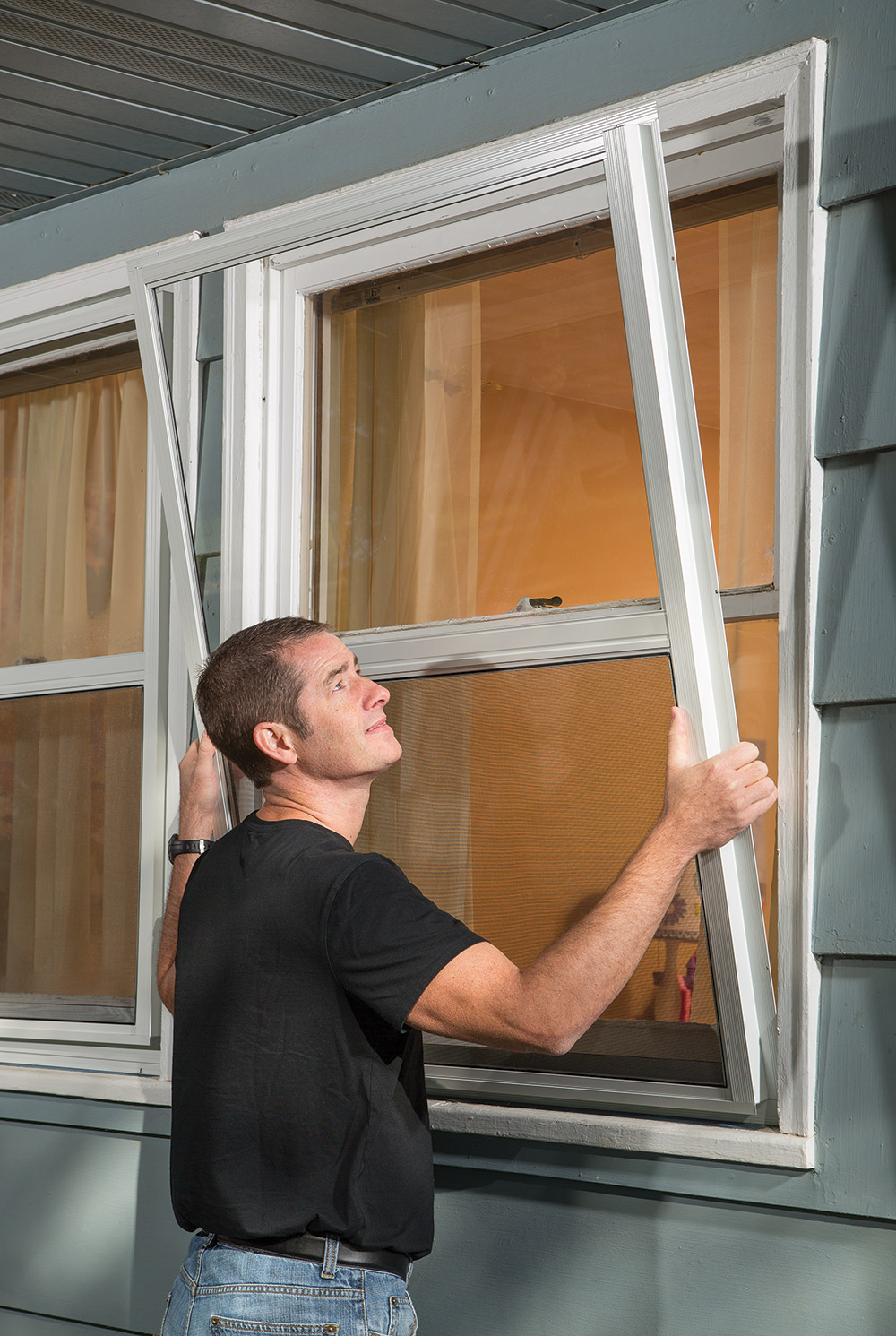
So, let's dive into why this seemingly winter-centric solution can be a summer superstar. For beginners in home energy efficiency, the core benefit is simple: storm windows create an insulating air pocket between themselves and your primary window. This air pocket acts as a barrier, much like a thermos keeps your drink hot or cold. In summer, this means it works to slow down the transfer of heat from the scorching outdoors into your nice, cool indoors. For families, this translates directly to a more comfortable living environment – fewer hot spots, less reliance on your air conditioning, and potentially quieter afternoons thanks to an added layer of sound insulation. Imagine kids playing without overheating, or enjoying a peaceful nap undisturbed by outdoor summer noise. And for those with a hobbyist bent, understanding this mechanism is satisfying. It’s about appreciating the clever engineering behind maintaining a consistent indoor climate, reducing strain on your HVAC, and making your home more resilient to external temperatures.
The magic really lies in those different layers. Traditional exterior storm windows, when properly sealed, significantly reduce air leaks, which are notorious for letting hot air creep in. Then there are interior storm windows, which can be even more effective at trapping that air pocket and are often easier to install or remove. Some modern storm windows even come with low-E coatings, which are designed to reflect heat. In summer, this means they reflect the sun's infrared rays away from your home, keeping the interior cooler and protecting your furniture and carpets from harmful UV fading. It's like giving your windows a tiny, invisible parasol! This variation allows homeowners to choose a solution that best fits their needs, whether for simple leak prevention or advanced heat reflection.
Must Read
Ready to give your storm windows a summer job? Here are a few simple, practical tips to get started. First, if you have exterior storm windows, make sure they are clean and free of debris to allow light without trapping extra heat. More importantly, ensure they are properly sealed and latched. Any gaps will diminish their effectiveness in creating that crucial air barrier. If you're considering new storm windows, look for options with weatherstripping and, ideally, a low-E coating for superior summer performance. Remember, the goal is to create a tight seal that acts as a thermal barrier, so a quick inspection of existing seals can make a big difference. Don't forget storm windows can also block UV rays, so closing blinds or curtains during the hottest parts of the day can further enhance cooling.
Ultimately, understanding the dual-purpose nature of storm windows is valuable. It’s not just about bundling up for winter; it’s about strategically managing your home’s environment year-round. By recognizing their potential to keep heat out, reduce AC costs, and improve comfort, you’re not just maintaining a house – you’re cultivating an enjoyable and efficient living space. So go ahead, appreciate those storm windows; they might just be your unsung heroes of summer!