Do Solar Panels Hurt The Resale Value Of Your Home

So, you're thinking about going solar? Awesome! Save the planet, save some money... what's not to love? But then that little voice creeps in: "Will solar panels actually hurt my home's resale value?" It's a valid question! Let's dive into this sunny (or sometimes cloudy) topic.
The Great Solar Value Debate
The truth is, there's no single, simple answer. It's like asking if a new kitchen will increase your home's value. Well, it depends on the kitchen, right? Same goes for solar.
Think of it this way: Some buyers will see solar panels as a huge plus. They'll envision lower electricity bills and a smaller carbon footprint. Ker-ching! Others? Not so much. Maybe they worry about maintenance, aesthetics, or just don't fully understand the technology. So, what gives?
Must Read
The Bright Side: Solar as a Selling Point
Let's start with the good stuff. Imagine showing off your home to potential buyers. "And here," you say with a flourish, "is our solar panel system! No more sky-high electric bills!" You're practically throwing money at them! Okay, not literally. But the appeal is there.
A well-maintained, properly installed solar system screams "modern" and "energy-efficient." It shows you care about the environment (and your wallet!). In some markets, especially those with a strong focus on sustainability, solar panels are downright desirable. They can even set your home apart from the competition!
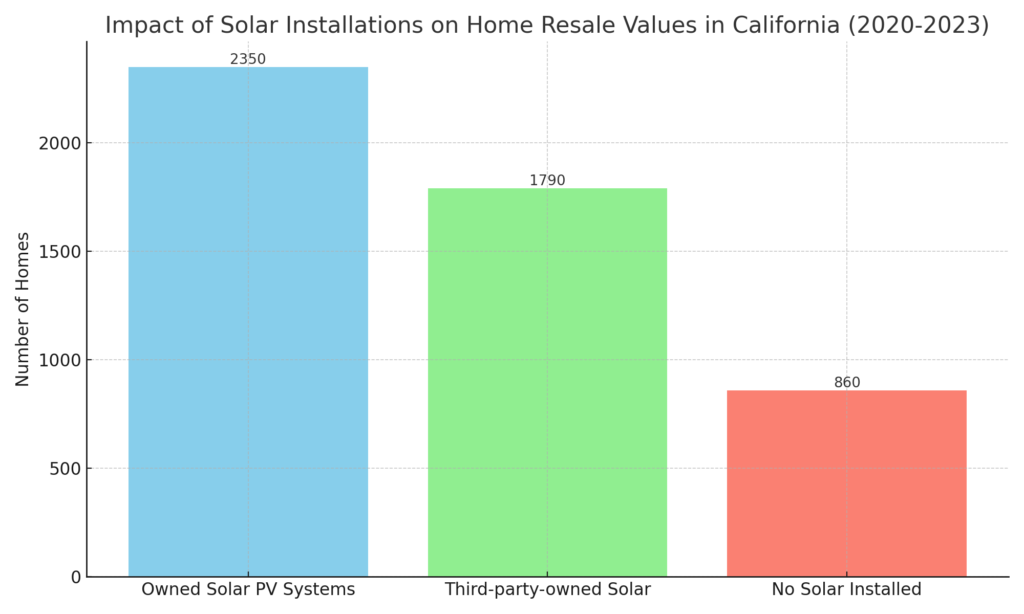
Plus, consider the savings! A buyer who can count on lower monthly expenses might be willing to pay a bit more upfront. It's like pre-paying for years of cheap electricity. Who wouldn't want that?
The Shady Side: Potential Concerns
Okay, let's acknowledge the potential downsides. Not everyone's a solar enthusiast. Some buyers might have concerns about:
- Aesthetics: Let's face it, some people just don't love the look of solar panels.
- Maintenance: Worries about cleaning, repairs, and potential roof damage can creep in.
- System Ownership: Is the system owned outright, or is it leased? Leased systems can complicate the sale.
- Shade: If your panels are heavily shaded, their efficiency is reduced, and that's a downer.
Leased solar panels? That's a whole other ballgame. It can complicate things because the buyer has to agree to take over the lease. That can add a layer of complexity that some buyers just don't want to deal with.
Location, Location, Location!
Just like with any real estate decision, location is key. In sunny states like California and Arizona, solar panels are practically the norm. Buyers expect them, and homes with solar panels often command a premium. But in areas with less sunshine or less environmental awareness, the impact might be less pronounced. Think of it as the "solar coolness factor", which changes based on the environment and local customs.
Owning vs. Leasing: A Crucial Distinction
We touched on this earlier, but it's worth emphasizing. Owning your solar panel system is generally much better for resale value than leasing. When you own the system, you're transferring a valuable asset to the buyer. When you lease, you're transferring a contract. The terms of that contract will be under extreme scrutiny.

"Owning your solar panels outright is almost always the best option for increasing resale value."
Think of it like this: Owning is like giving the buyer a free coffee machine. Leasing is like giving them a coffee machine with a subscription fee. Which one do you think they'll be more excited about?
Doing Your Homework
Before you commit to solar, do your research! Talk to a qualified solar installer. Get multiple quotes. Understand the incentives and rebates available in your area. And most importantly, consider your long-term plans. Are you planning to sell your home soon? If so, factor that into your decision-making process. Or better yet, talk to a real estate agent. Their local knowledge is crucial.
The Bottom Line: It's Complicated, But Mostly Positive
So, do solar panels hurt resale value? Generally, no. In many cases, they can even increase it. But it's not a guaranteed win. Factors like location, system ownership, and buyer preferences all play a role. Educate yourself, weigh the pros and cons, and make the decision that's right for you. And hey, even if it doesn't dramatically boost your home's value, you'll still be saving money on electricity and doing your part for the planet. Not a bad deal, right?