
Do Smart Light Bulbs Use Electricity When Off
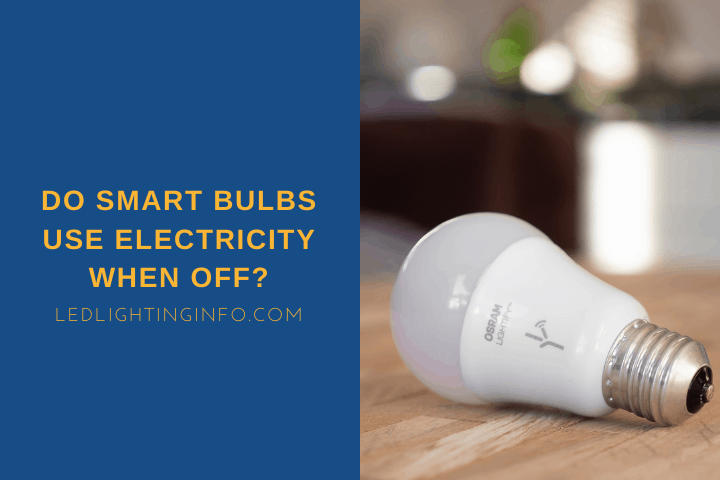
Ever wondered if your smart light bulbs are secretly munching on electricity even when they're turned off? It's like a mystery waiting to be solved, right in your own living room!
Let's dive into this electrifying question. Are our high-tech illuminators as innocent as they seem when bathed in darkness?
The Sneaky Secret of Standby Power
Think of your smart bulbs as little spies. They're always listening for your commands, ready to spring into action at a moment's notice.
Must Read
This constant readiness requires a bit of power, known as standby power or phantom load. It's like keeping a tiny flame burning so you can light the campfire instantly.
So, yes, your smart bulbs do use a minuscule amount of electricity even when off. But how much are we talking about?
A Watt a Waste? (Or Not!)
The good news is, it's not much! We're talking fractions of a watt. Think less than a charging phone, much less.
Most smart bulbs consume between 0.2 to 0.5 watts when idle. It is so small, almost invisible.
Multiply that by the number of smart bulbs in your home, and you get a slightly larger number. Still, it's unlikely to break the bank. But hey, every little bit counts, right?
Why They're Always "Listening"
Smart bulbs need to be in constant communication with your Wi-Fi network. That’s how you control them with your phone or voice assistant.
This requires a small internal receiver to be always active, even when the light is off. It's like having a radio tuned to your favorite station, always playing softly in the background.
Without this constant connection, they wouldn't be very "smart," would they?
The Cool Factor: Convenience & Control
Let's face it, controlling your lights with your voice is pretty darn cool. Turning them on and off from anywhere in the world? Even cooler!

That convenience comes with a tiny energy cost. But consider the benefits: automated lighting schedules, ambiance control, and even security features.
It's all about finding the right balance between energy efficiency and the sheer awesomeness of smart home technology.
How to Minimize Standby Power Consumption
Want to be a super-savvy energy saver? Here are a few tips to minimize that phantom load:
- Unplug when away: If you're going on vacation, consider unplugging your smart bulbs. It's a simple way to eliminate standby power altogether.
- Use smart plugs: Connect your smart bulbs to a smart plug and schedule it to turn off completely at certain times. It is like a master switch.
- Upgrade to energy-efficient models: Look for bulbs with low standby power consumption ratings. Every watt counts!
- Consider traditional bulbs for less-used areas: In closets or storage rooms, regular LED bulbs might be a better choice. No need for smart features there!
The Power of Choice
Ultimately, the decision of whether or not to use smart bulbs is a personal one. Weigh the pros and cons based on your lifestyle and energy-saving goals.
If you love the convenience and features, don't let the tiny standby power consumption scare you away. But if you're a die-hard energy conservationist, explore the tips above.
Embrace the power of choice and make informed decisions that align with your values!
The Bigger Picture: Smart Homes & Sustainability
Smart bulbs are just one piece of the larger smart home puzzle. As we automate more and more of our lives, it's crucial to consider the overall energy impact.
Think about smart thermostats that optimize heating and cooling, smart appliances that conserve water and electricity, and even smart irrigation systems that water your lawn efficiently.
By embracing smart technology thoughtfully, we can create homes that are both convenient and sustainable.
Embrace the Future, Consciously
The future of home technology is bright (pun intended!). But it's up to us to ensure that it's also energy-efficient.
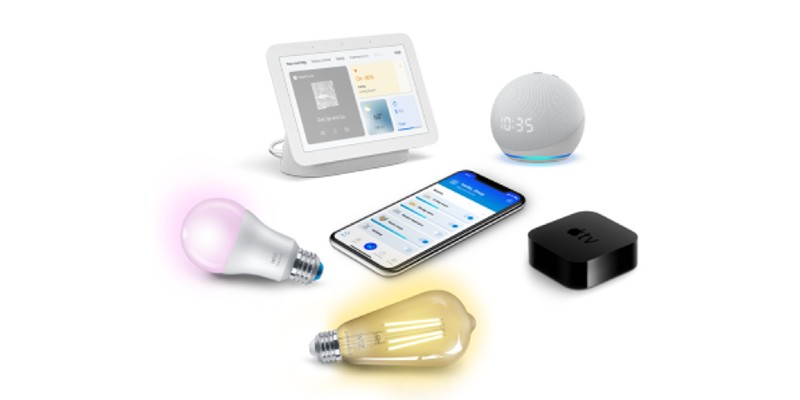
By staying informed and making conscious choices, we can enjoy the benefits of smart homes without sacrificing our commitment to the environment. It is a win-win!
So, go forth and illuminate your life with smart technology! Just remember to keep an eye on that phantom load, and let's all strive to create a more sustainable future, one light bulb at a time.
Fun Fact: Vampire Power!
Did you know that standby power is sometimes called "vampire power?" It's because it sucks energy even when you're not using the device. Spooky, right?
Thankfully, smart bulbs are more like friendly ghosts than bloodthirsty vampires. Their energy consumption is minimal, but it's still good to be aware of it.
So, next time you turn off your smart bulb, remember the little secret it's keeping. It's a tiny bit of energy, a whole lot of convenience, and a dash of technological magic!
Are They Worth It? Let's Recap.
So, after this deep dive, are smart light bulbs worth the tiny energy cost?
Consider the advantages: convenience, automation, ambiance control, and security features. They offer a lot of functionality in a compact package.
And if you're concerned about standby power, there are plenty of ways to minimize it. You have the power!
A Final Spark of Thought
The world of smart technology is constantly evolving. New, more energy-efficient bulbs are always being developed.

Stay curious, keep learning, and embrace the possibilities. The future of lighting is bright, and it's up to us to make it a sustainable one.
Now, go check out your smart bulbs. See if you can sense that tiny bit of electricity humming away. It's a secret worth knowing!
The Power is in Your Hands
Ultimately, the choice is yours. Embrace the convenience and coolness of smart light bulbs, or stick with traditional options. There's no right or wrong answer.
The key is to be informed and make choices that align with your values and lifestyle. After all, it's your home, your energy, and your decision.
So, shine on, and let your choices illuminate the path to a brighter, more sustainable future!
Beyond the Bulb: Expanding Your Smart Home Horizons
Don't stop with smart bulbs! The world of smart home technology is vast and exciting.
Explore smart thermostats, security systems, kitchen appliances, and even garden tools. Imagine a home that anticipates your needs and optimizes energy usage automatically. Pretty neat, huh?
The possibilities are endless, and the future is at your fingertips.
The Smart Home Revolution
We're living in a time of incredible technological innovation. The smart home revolution is transforming the way we live, work, and interact with our surroundings.
Embrace the possibilities, but do so thoughtfully and responsibly. Together, we can create homes that are both smart and sustainable.
So, let's light up the future, one smart device at a time!
One Last Question: How Smart Are You?
After all this talk about smart bulbs, let's turn the question around. How smart are you when it comes to energy consumption?
Are you mindful of phantom loads? Do you unplug devices when not in use? Are you making conscious choices to conserve energy?
Being a smart consumer is just as important as using smart devices. So, let's all strive to be a little bit smarter about how we use energy.
Become an Energy Efficiency Champion
You don't need to be a superhero to make a difference. Small changes in your daily habits can have a big impact.
Turn off lights when you leave a room, unplug chargers when not in use, and choose energy-efficient appliances. Every little bit counts.
Together, we can create a more sustainable future for ourselves and generations to come. Let's be energy efficiency champions!
So, Do Smart Bulbs Use Electricity When Off? The Verdict!
Yes, smart light bulbs do use a tiny amount of electricity even when they're turned off. But it's usually a negligible amount.
The convenience and features they offer often outweigh the minor energy cost, especially when weighed with the tips to reduce standby consumption.
The choice is yours! Weigh the pros and cons and decide what's best for your home and lifestyle.