Do Small Refrigerators Use A Lot Of Electricity
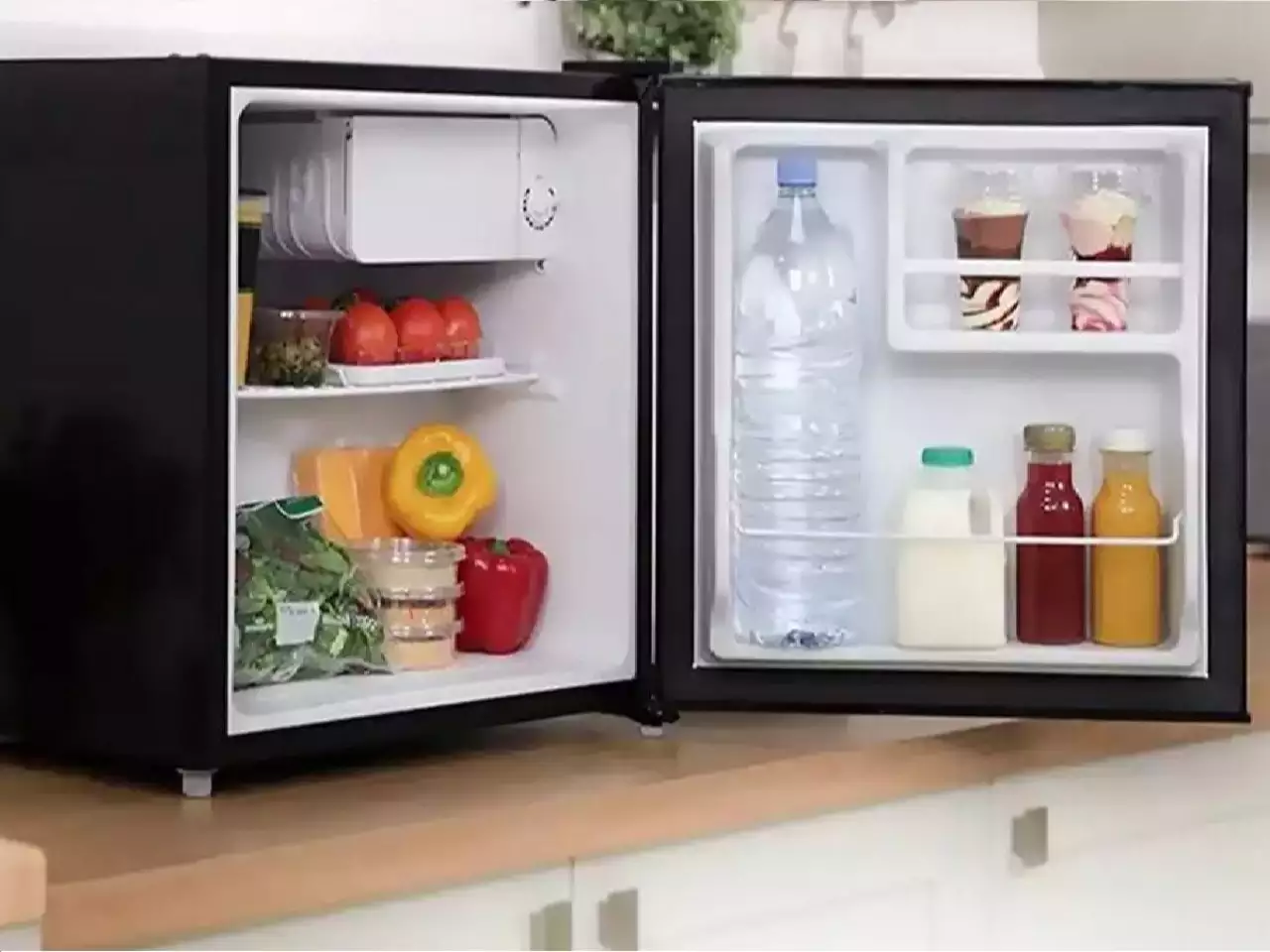
Alright, picture this: You're finally living that dorm life, or maybe you've got a sweet little office setup going. And of course, you need the essentials: a mini fridge! It's the perfect place to stash your sodas, keep your lunch from turning into a science experiment, and maybe even hide a cheeky ice cream bar. But then that little voice in the back of your head pipes up, "Hmm, I wonder how much that thing is sucking up my electricity?"
Well, my friend, you're not alone. It's a valid question. After all, no one wants a surprise electric bill that could rival the cost of a weekend getaway. So, let's dive into the world of small refrigerators and their energy consumption, shall we? Don't worry, we'll keep it breezy and avoid all the confusing jargon.
The Big Question: Are Mini Fridges Energy Hogs?
The simple answer is: it depends! Think of it like your pet hamster. Some hamsters are super active, running on their wheel all night, needing tons of food (energy!). Others are… well, let's just say they enjoy a more relaxed lifestyle. Mini fridges are the same way. Some are designed to be energy efficient, while others… not so much.
Must Read
Generally speaking, mini fridges use less electricity than their full-sized cousins. That's because they're, well, smaller! Less space to cool means less energy needed. But, and this is a big but, the efficiency of the fridge matters just as much as its size.
Imagine two tiny houses. One is super insulated, with energy-efficient windows and appliances. The other is… not so much. Which one do you think is going to cost more to heat or cool? The same principle applies to refrigerators.

Factors that Impact Energy Consumption
So, what makes one mini fridge a "good hamster" and another a "slightly lazier hamster?" Here are a few key factors:
- Age: Just like that old car your grandpa loves, older refrigerators are often less efficient. Technology has come a long way, and newer models are designed to save energy.
- Energy Star Rating: This is your magic bullet! An Energy Star label means the appliance meets certain energy-efficiency standards. Look for it! It's like a gold star for saving you money (and helping the planet a little).
- Usage Habits: This one's on you! How often do you open the door? How full is the fridge? A packed fridge actually stays colder more efficiently because the cold items help to maintain the temperature. But avoid over-packing to allow proper airflow.
- Temperature Setting: Are you trying to turn your mini fridge into the Arctic? Lowering the temperature excessively will definitely crank up the energy consumption. Find that sweet spot where your drinks are cold, but your wallet isn't weeping.
- Location, Location, Location: Where you place your fridge matters! Keep it away from direct sunlight or heat sources like ovens or radiators. It’ll have to work harder to stay cool if it's constantly battling external heat.
Real-Life Scenarios and Cost Estimates
Okay, let's get down to brass tacks. How much are we actually talking about here?

Let's say you have a standard mini fridge that uses about 100 watts. If it runs 24/7 (which it likely won't, since the compressor cycles on and off), that's 2.4 kilowatt-hours (kWh) per day. Multiply that by 30 days in a month, and you get 72 kWh per month.
Now, let's assume your electricity costs $0.15 per kWh (prices vary depending on where you live, of course). That mini fridge is costing you around $10.80 per month. Not a fortune, but it adds up over time! Especially if you have multiple mini fridges...or a whole dorm floor full of them!

An Energy Star-certified model, on the other hand, could use significantly less energy, potentially cutting that cost in half. So, it's worth the investment!
Easy Ways to Save Energy (and Money!)
Want to be a mini fridge energy-saving ninja? Here are some simple tips:
- Clean the Coils: Dust and grime buildup on the coils behind or underneath the fridge can make it work harder. Give them a good cleaning a couple of times a year.
- Check the Door Seal: A leaky door seal lets cold air escape, forcing the fridge to work overtime. Test it by closing the door on a piece of paper. If you can easily pull the paper out, the seal might need replacing.
- Defrost Regularly: If your mini fridge has a manual defrost setting, don't let ice build up too thick. Ice acts as an insulator, making the fridge less efficient.
- Think Before You Open: Every time you open the door, you let cold air out. Plan what you need before you open the fridge to minimize the amount of time the door is open.
- Consider an Upgrade: If you have an older, inefficient model, it might be time to upgrade to an Energy Star-certified fridge. The long-term savings will likely outweigh the initial cost.
The Bottom Line
So, do small refrigerators use a lot of electricity? Not necessarily! By choosing an energy-efficient model, practicing good usage habits, and performing a little maintenance, you can keep your snacks cold without breaking the bank. Think of it as a small step toward a more sustainable lifestyle. And who knows, maybe those savings can go towards that cheeky ice cream bar after all!