Do Radiant Heaters Use A Lot Of Electricity

Ever felt that sudden, intense burst of warmth when standing near a radiant heater? It's a feeling that's both comforting and a little bit magical, especially on a chilly day. But as we become more conscious of our energy consumption, a natural question arises: do these instant sun-like devices guzzle electricity or are they a more energy-friendly option than we might think? It's a question worth exploring, not just for our wallets, but also for understanding how different heating technologies impact our energy footprint.
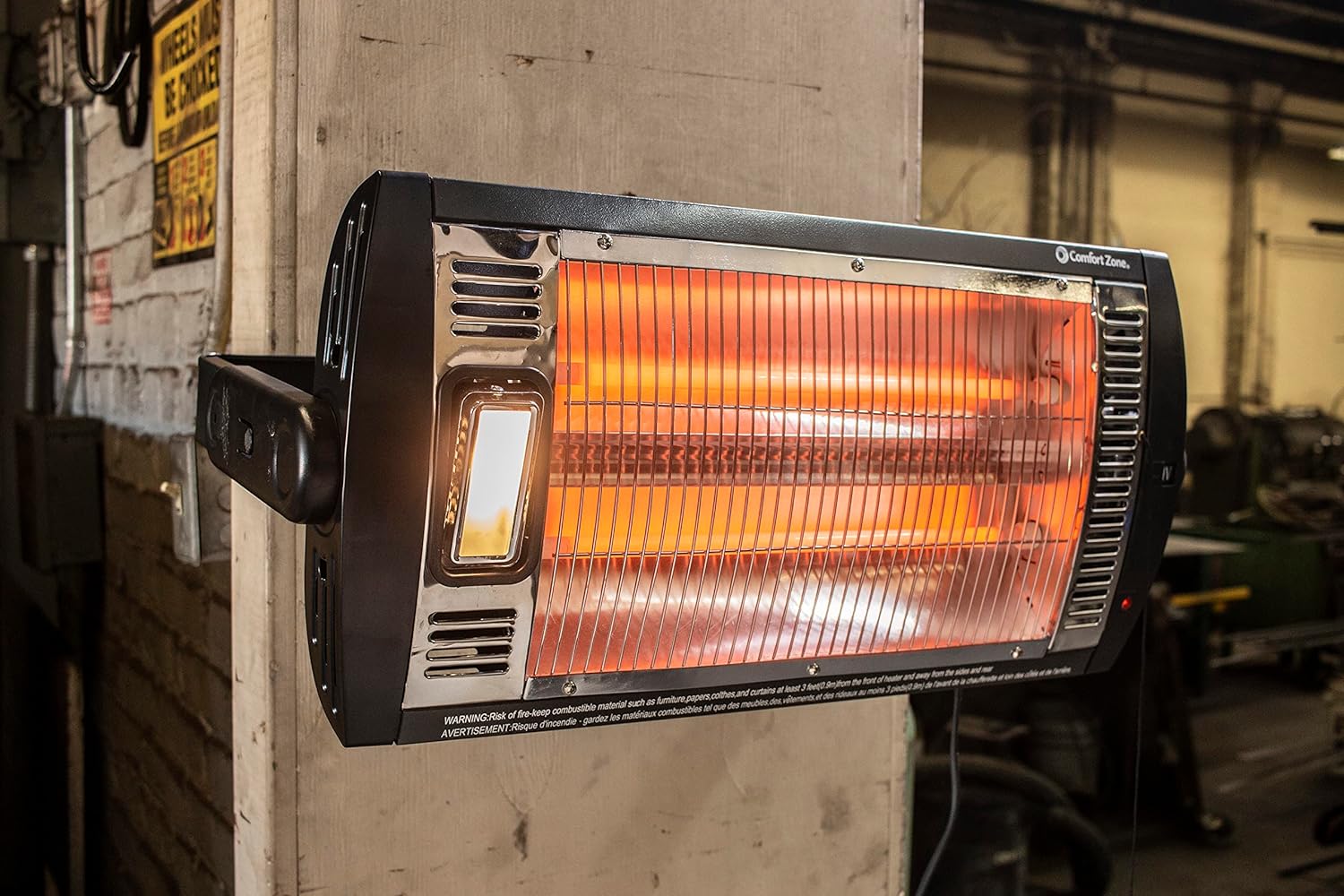
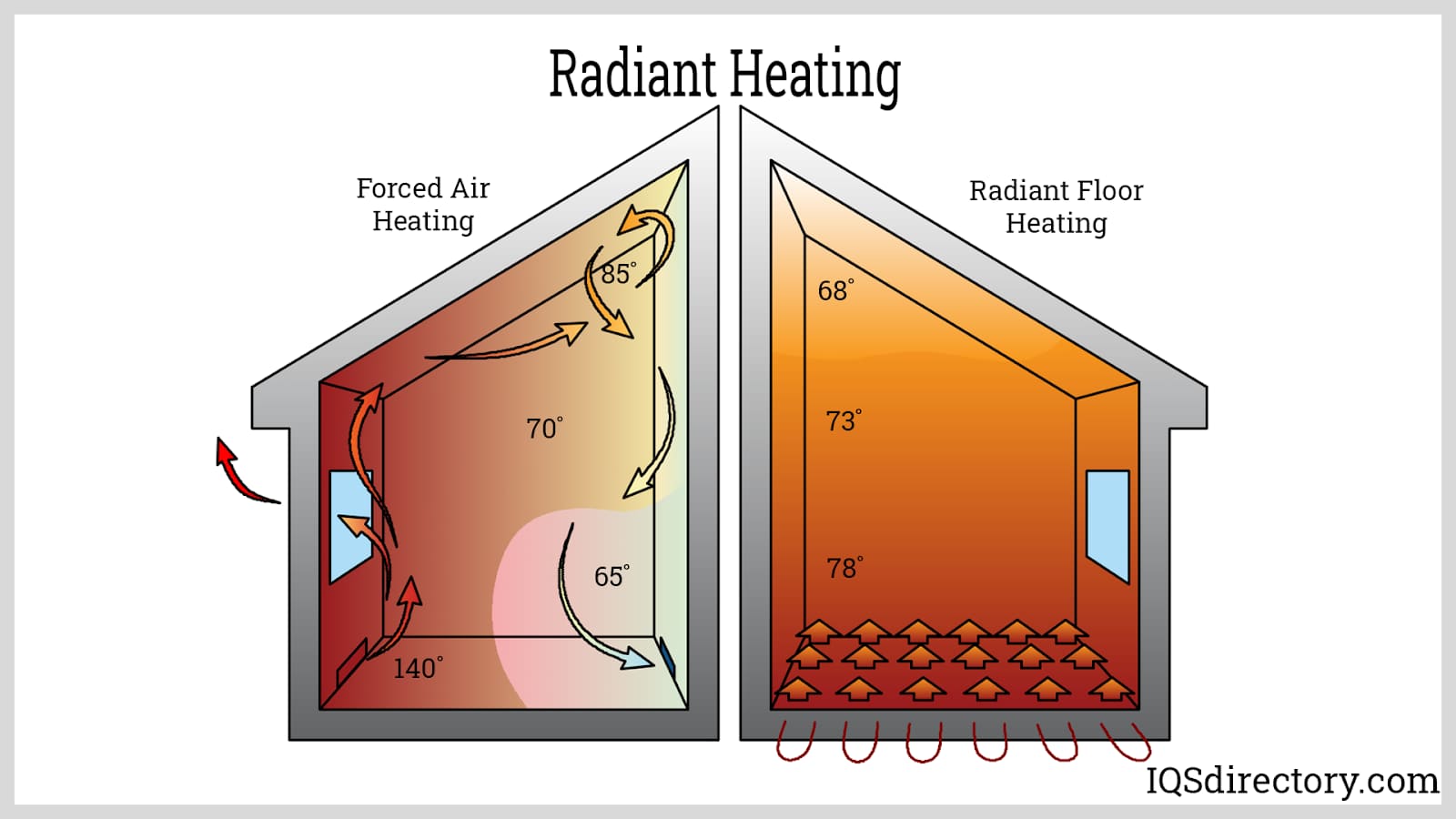
So, what exactly is a radiant heater? Unlike traditional heaters that warm the air, radiant heaters work by emitting infrared radiation. This radiation travels directly to objects and people in the room, warming them up directly. Think of it like the sun! The benefits are numerous: they heat up quickly, are often portable, and can provide targeted warmth to specific areas. This makes them ideal for situations where you don't need to heat an entire room, such as focusing the heat on a workspace or providing extra warmth in a drafty corner.
You've probably encountered radiant heaters in various settings. In educational environments, they might be used in workshops or art studios where localized heat is needed for projects or processes. Think of warming up clay for sculpting or providing comfortable conditions for students working on intricate tasks. In daily life, they're incredibly versatile. You might find them in outdoor patios, extending the usability of these spaces into cooler months. Garages, workshops, and even bathrooms can benefit from the focused warmth of a radiant heater, creating a more comfortable environment for various activities.
Must Read
Now, back to the million-dollar question: electricity usage. The truth is, radiant heaters can use a significant amount of electricity, especially the larger models. Their power consumption is typically measured in watts, and a higher wattage means more energy consumption. However, the key to understanding their efficiency lies in how and when they're used. A radiant heater used to quickly warm a small area for a short period might actually be more energy-efficient than running a central heating system to warm an entire house for the same duration.
Here are some practical tips to explore radiant heater usage more mindfully:
- Check the Wattage: Before purchasing a radiant heater, look at the wattage rating. This will give you a good indication of its power consumption.
- Use a Timer: Set a timer to automatically turn off the heater after a certain period to prevent it from running unnecessarily.
- Targeted Heating: Focus the heat on the area you need, rather than trying to heat the entire room.
- Compare with Alternatives: Compare the energy consumption of a radiant heater with your central heating system or other space heaters to see which is the most efficient option for your needs.
- Experiment: Use an energy monitoring device to actually measure the electricity consumption of your radiant heater over time. This will give you a real-world understanding of its impact on your energy bill.
Ultimately, whether a radiant heater uses "a lot" of electricity depends on several factors, including its wattage, usage habits, and the specific heating needs. By understanding how these heaters work and implementing mindful usage strategies, we can enjoy their benefits without unnecessarily straining our energy resources. So, go ahead, feel that warmth, but do it wisely!