
Do Power Companies Work At Night
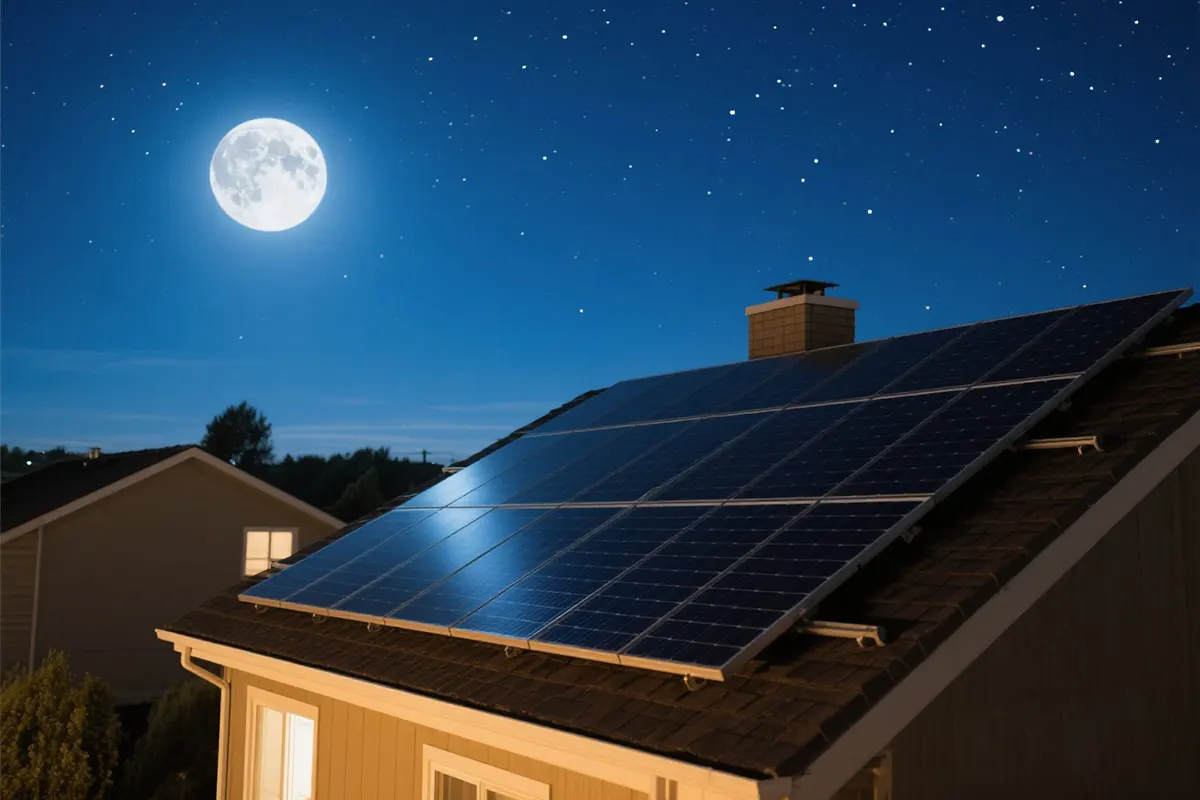
Ever gazed out your window late at night, admiring the glowing city skyline or the quiet hum of your appliances, and wondered: who keeps the lights on? It’s a pretty fundamental question, isn’t it? We flip a switch, and light appears. Our phones charge silently while we sleep. But have you ever paused to consider the unseen network and the people behind it, especially when the rest of the world is winding down? Let's peel back the curtain and explore whether power companies truly work through the night, and why that work is so incredibly vital.
The short answer is a resounding yes! Power companies operate around the clock, 24/7, 365 days a year. Their core purpose isn't merely to generate electricity; it's to maintain a stable, reliable, and safe power grid. Think of it like the circulatory system of our modern world – constantly monitored and adjusted to keep everything flowing smoothly. At night, while most of us sleep, operations centers are fully staffed, monitoring demand, generation, and transmission lines. Crews are also on standby, ready to respond to unforeseen issues like storm-related outages or equipment failures, ensuring rapid resolution.
One key benefit of night work is the typically lower electricity demand. This "off-peak" period is ideal for power companies to perform essential maintenance, upgrades, and repairs to the vast network of power lines, substations, and generating facilities. Conducting this work during low-demand hours minimizes disruption to businesses and homes. It ensures that when everyone wakes up and the morning rush begins, the grid is robust and ready, a continuous balancing act where supply always meets fluctuating demand.
Must Read
How does this affect your daily life or education? Every time you plug in your phone overnight for a full charge, that's a direct benefit of round-the-clock power management. Streetlights safely guide our way, hospitals perform life-saving operations, and data centers tirelessly process global information – all powered by a grid that never sleeps. Educationally, understanding this unveils complex systems engineering, the economics of energy, and infrastructure's critical role. It highlights the importance of fields like electrical engineering, logistics, and even meteorology for predicting storm impacts.
Curious to explore this further? It's simpler than you think! One easy way is to observe your surroundings at night. Notice the streetlights, illuminated signs, and faint glows from distant homes – silent testaments to electricity's continuous flow. You could also visit your local power company’s website; many offer details on operations, outage maps, and educational resources. Pay attention to "planned outage" notices, often scheduled late at night for minimal impact. Finally, simply imagine a single night without electricity. It powerfully underscores the enormous importance of those unsung heroes working diligently behind the scenes, ensuring our world keeps spinning, even in the darkest hours.


