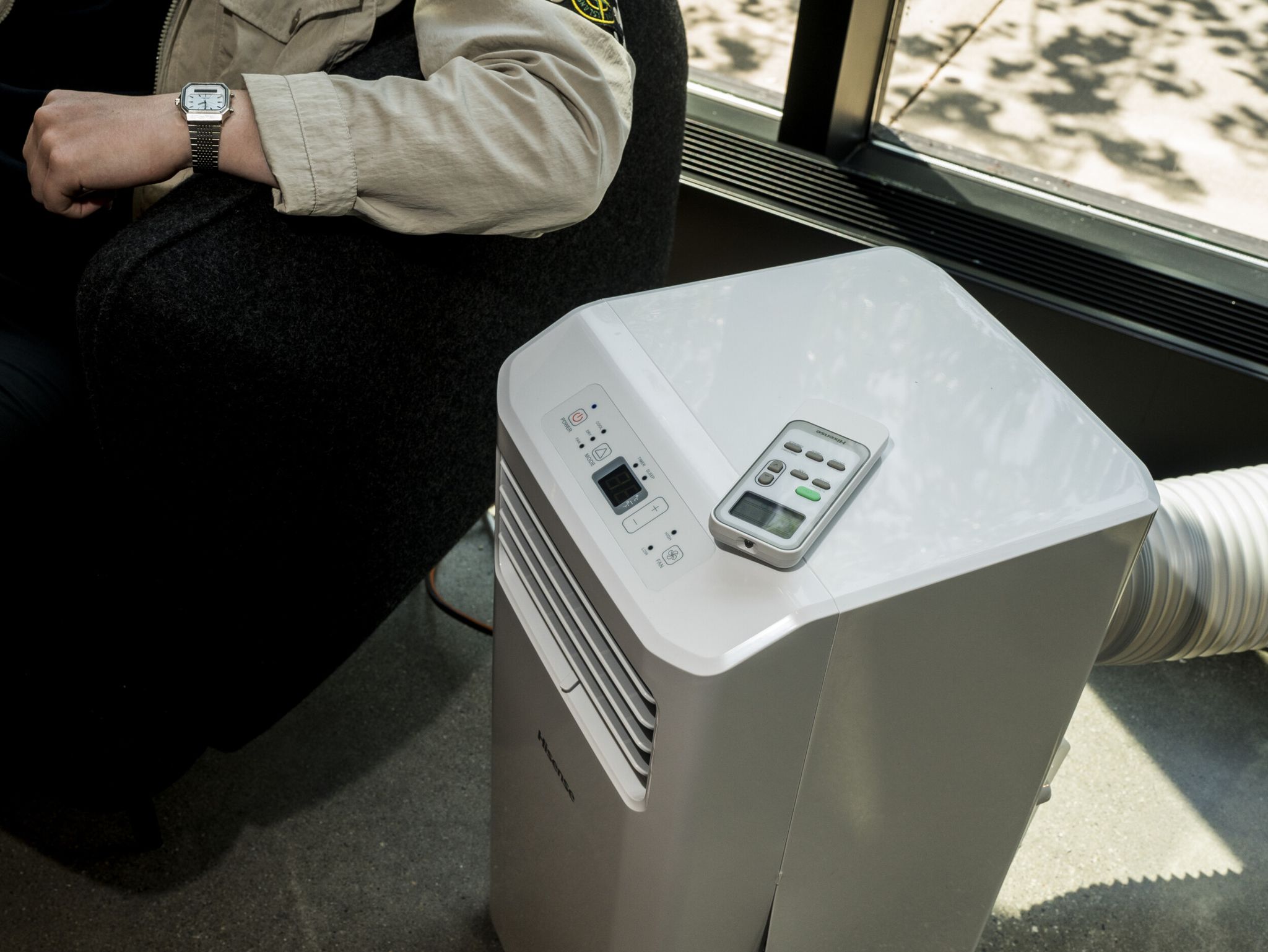
Do Portable Air Conditioners Need To Be Drained
So, you've got yourself a portable air conditioner! Welcome to the club of cool cats (literally!). You're probably basking in the glorious, icy breeze right now, wondering if you made the right choice. You did! But hold on a minute... there's a little secret to portable AC ownership that nobody tells you upfront, a sort of quirky responsibility akin to feeding a Tamagotchi, but way less demanding: draining.
The Big Question: Drain or Not to Drain?
Okay, let's get straight to the point. Do you need to drain your portable AC? The suspense is killing you, right? Well, the answer is... it depends! dun dun DUNNNN! Don't worry, it's not as complicated as quantum physics (unless your portable AC is powered by quantum physics, in which case, hats off to you!).
Think of your portable AC like a tiny, thirsty dragon. It breathes in hot, humid air, performs some magical, thermodynamic wizardry, and spits out glorious, cool air. But where does all that humidity go? Well, some portable ACs are designed like self-sufficient superheroes, using clever evaporation tricks to get rid of the excess water. Others... well, they need a little help.
Must Read
The Self-Evaporating Superheroes
Some portable AC models are advertised as "self-evaporating." These are the rockstars of the portable AC world! They essentially recycle the condensed water and use it to cool the condenser coils, then vent the remaining moisture out the exhaust hose. It's like a super efficient, closed-loop system. Sounds amazing, right? And it is! But even these superheroes aren't perfect. In extremely humid conditions – think jungle-level humidity – even a self-evaporating model might need occasional draining. They're good, but even Batman needs Robin sometimes.
The "Needs a Little Help" Crowd
Then there are the other portable ACs, the ones that collect the condensed water in a tank. These guys need a helping hand. Imagine forgetting to empty the water tank! It's like leaving a bathtub running... indoors. Okay, maybe not quite that dramatic, but you get the idea. The water will eventually reach a maximum level, and your AC will likely shut off, displaying a cryptic error code that will make you question your life choices. No need for existential dread! Just empty the tank!

How to Tell if You Need to Drain
So, how do you know which type of portable AC you have? The easiest way is to check your owner's manual (remember that dusty thing you probably threw in a drawer?). It will clearly state whether the unit is self-evaporating or requires manual draining. If you're feeling particularly adventurous, you can also try this scientific method: run your AC for a few hours, then peek inside the unit to see if there's any water sloshing around. Warning: Do not attempt this while the AC is running! Safety first, cool air second!
Draining: Not as Scary as It Sounds
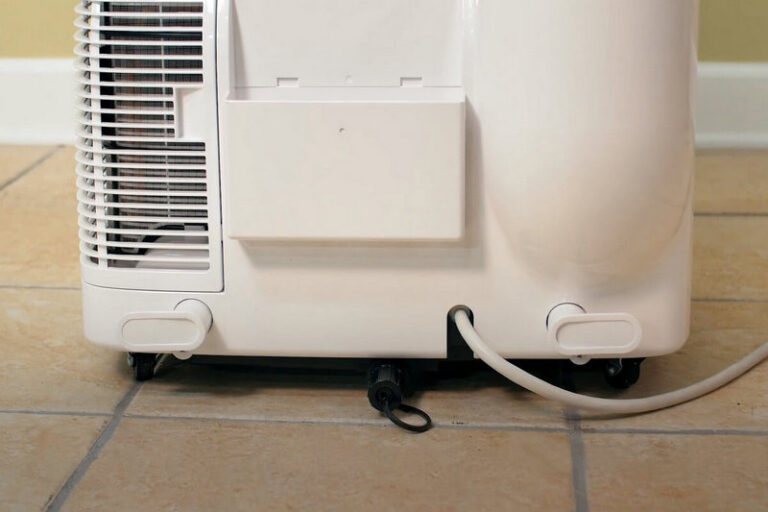
Draining a portable AC is actually pretty easy. Most models have a drain plug or a hose connection. Simply position a bucket or a shallow pan under the drain, remove the plug (carefully!), and let the water flow. Think of it as giving your AC a little spa treatment. Empty the bucket, replace the plug, and you're good to go! Some models also have a continuous drain option, where you attach a hose and continuously drain the water into a sink or a floor drain. It's like giving your AC a permanent hydration station!
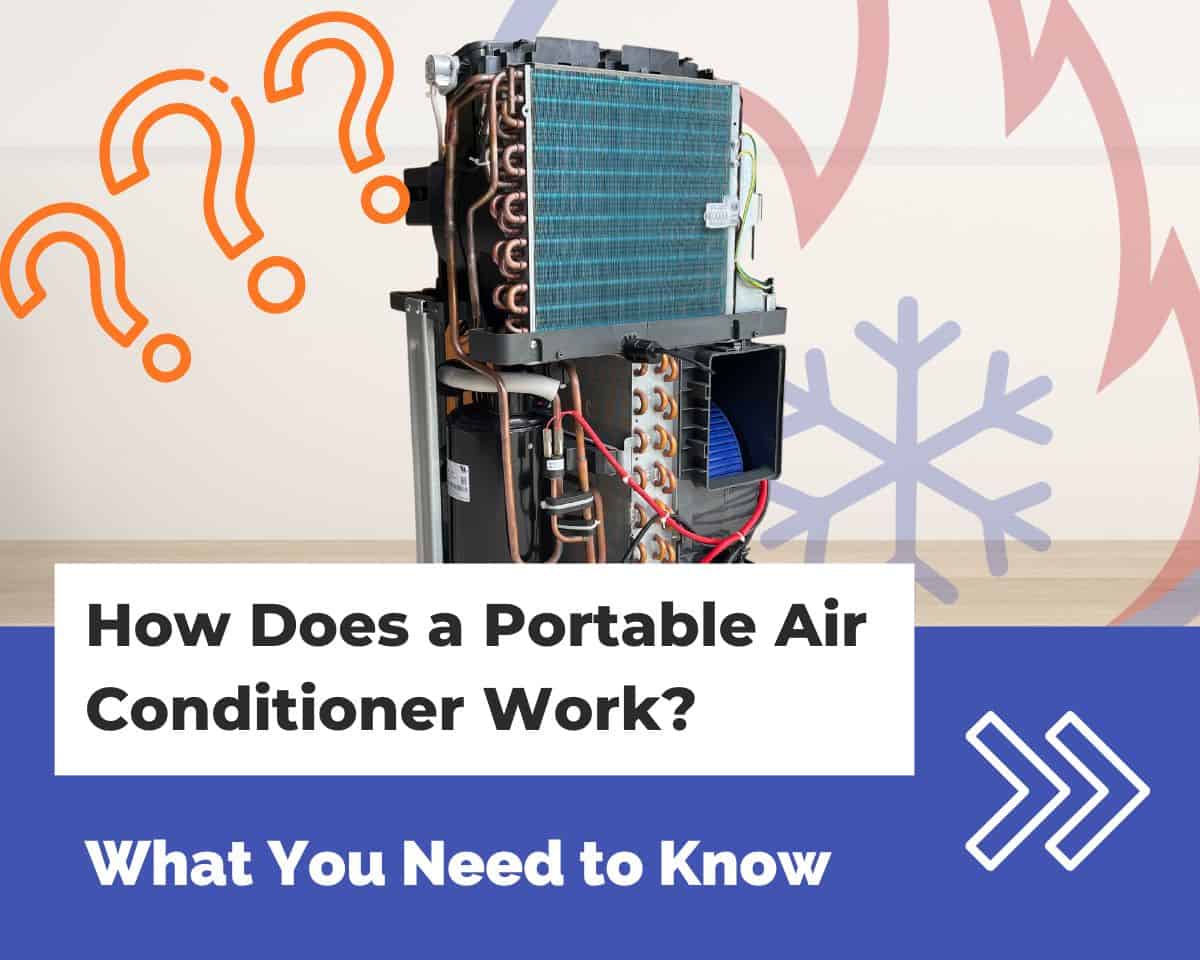
Pro Tip: Consider the location of your portable AC when deciding how often to drain it. If it's in a super humid room, you might need to drain it more frequently than if it's in a drier space. It’s all about experimenting and finding what works best for your environment and your particular unit.
The Takeaway: Stay Cool and Keep an Eye on That Water
In conclusion, whether or not you need to drain your portable AC depends on the model and the humidity levels. Check your manual, keep an eye on the water levels, and don't be afraid to give your AC a little TLC. By doing so, you'll ensure that your cool air oasis remains a pleasant escape from the heat, and not a soggy, error-code-filled nightmare! Happy cooling!