
Do Pcs Use A Lot Of Electricity
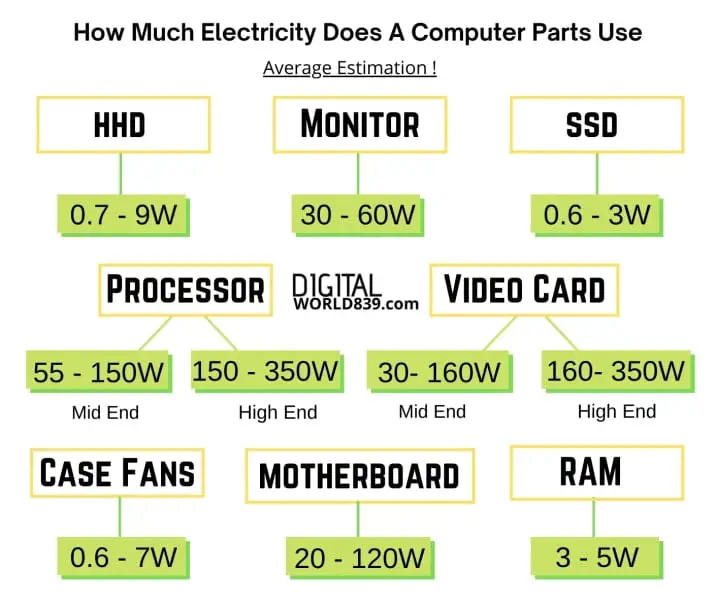
Are PCs Secret Power Plants? Spoiler: Not Really!
Ever sat there, happily browsing cat videos or conquering virtual worlds, and suddenly a tiny voice in your head whispers, "Is this thing eating all my electricity?" You’re absolutely not alone in that thought! It’s a super common worry, conjuring images of your beloved computer silently guzzling power like a thirsty dragon.
Well, buckle up, because we’re here to sprinkle some sunshine on that worry cloud! The truth about your PC and its power habits might just surprise you. It's often far less dramatic than you imagine, trust us!
The Great Power Myth: Are Our PCs Greedy Guzzlers?
The Common Worry
Let's get straight to it: the idea that your personal computer is some kind of colossal electricity hog is largely a myth. It’s an old tale from a bygone era of clunkier, less efficient machines.
Must Read
Today's PCs are designed with efficiency in mind, making them surprisingly polite guests on the electricity grid. They're definitely not the ravenous beasts some folks imagine, constantly plotting to inflate your utility bill.
The Surprising Truth
For most of us, most of the time, our PCs are actually quite frugal! Think of them more like a well-behaved house pet, content with a modest meal rather than a full-on feast. You probably spend more time stressing about their power use than they actually contribute to your bill.
So, take a deep breath and let’s dive into the delightful reality of PC power consumption! It's time to bust some myths and give your tech a well-deserved pat on the back for its efficiency.
The Fridge Face-Off: PC vs. Household Titans
Your Chilly Champion
Want a truly mind-blowing comparison that will put your PC worries to rest? Your good old refrigerator, chilling away 24/7, often uses way more electricity than your PC. Yes, really!
That silent sentinel in your kitchen is a true energy workhorse, constantly running to keep your food fresh. It’s a crucial appliance, but it definitely pulls more amps than your average computer.
PC vs. Appliance Titans
A typical desktop PC, running for a few hours a day, barely sips power compared to its chilly counterpart. It’s like comparing a casual stroll to a marathon sprint in terms of energy expenditure. Many other appliances, like your clothes dryer, water heater, or air conditioner, are the true power champions of your home.
"Your PC is less of an energy hog and more of a polite sipper, especially when stacked against the mighty fridge!"
So next time you grab a snack, give your fridge a little nod for its significant energy dedication, and then smile at your PC for being so reasonable!
Laptop Love Story: The Ultra-Efficient Champions
Energy Ninjas on the Go
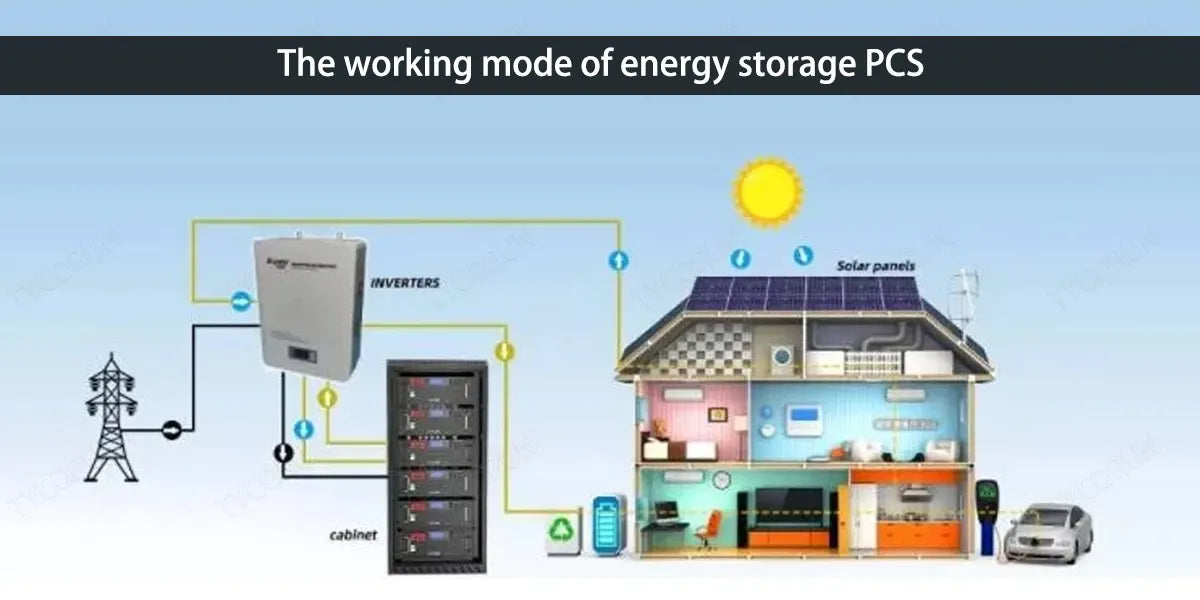
If you're rocking a laptop, give yourself a big high-five right now! These sleek, portable machines are truly the efficiency superstars of the computing universe. They are meticulously engineered to sip power like the most delicate of tea drinkers.
Imagine your laptop as a tiny, highly trained energy ninja, gliding through tasks without leaving a massive power footprint. It sips power so gently, you might even forget it's plugged in sometimes!
Battery Power Magic
The very nature of laptops, running on batteries, forces them to be incredibly power-conscious. This design philosophy translates directly into lower energy consumption, whether they're on battery or plugged into the wall.
You can enjoy hours of uninterrupted work, creative endeavors, or pure entertainment on a single charge. And even when connected to the grid, their draw is often astonishingly minimal, making them incredibly kind to your electric bill.
It's truly a testament to modern technology, making powerful computing accessible without the hefty energy cost. Laptops prove that you can have fantastic performance without being an electricity hog!
Desktop Demystified: Still Pretty Prudent!
Reliable Home Base
Alright, so your trusty desktop isn't quite the energy ninja of a laptop. It's a bit bigger, with more components, but don't despair! Even a standard desktop PC is far from a power monster.
They're like a comfortable family sedan – reliable, sturdy, and not too thirsty when it comes to fuel. They offer a powerful computing experience without demanding an unreasonable amount of electricity.

Everyday Energy Use
A typical desktop setup, complete with its monitor and all the usual peripherals, uses a perfectly reasonable amount of power. It’s certainly not going to send your electricity bill skyrocketing all by itself, especially with today's efficient components.
We're talking mere pennies a day for most users, which is pretty incredible for the amount of work and entertainment they provide. Desktops might have a bit more oomph than laptops, but they're still incredibly well-behaved when it comes to energy consumption.
Gaming Rigs: Power with Purpose (Only When Revving!)
High Performance, Smart Consumption
Okay, let's talk about the big guns: the gaming PCs. These are the flashy, high-performance sports cars of the computer world! They pack powerful graphics cards and processors specifically built for intense action and breathtaking visuals.
When you're deep into an epic battle, exploring vast virtual worlds, or rendering a complex 3D model, yes, a gaming PC will pull more juice. This is where the power consumption steps up a notch, demanding more from your outlet.
Cruising vs. Racing
But here's the crucial part: they only do that when they're truly working hard! Think of it like driving a sports car: it uses a lot of fuel when you're flooring it on the racetrack, but much less when you're just cruising slowly through town.
Your gaming PC is exactly the same; it's smart about its power usage. When you're simply browsing the web, checking emails, or watching a movie, even a beefy gaming rig goes into a more relaxed, energy-saving mode.
So, no need to feel guilty about your gaming adventures! Your rig knows when to flex its muscles and when to take it easy.
The Wonder of Sleep Modes: Your PC's Power Nap
Quick Naps for Your PC
Here’s another fantastic secret weapon in your PC’s energy-saving arsenal: sleep modes! When you walk away from your computer for a bit, it politely drifts off into a power-saving slumber. It's like a quick power nap for your tech!
In sleep mode, your PC uses a tiny, minuscule amount of electricity – barely a whisper on the power meter. It’s ready to spring back to action in seconds, saving energy without making you wait.
Shut Down for Savings
Even better, a properly shut-down PC uses practically no power at all. This is the ultimate energy-saving move! If you're stepping away from your computer for a long time, a quick click to shut down makes it an energy angel.
"Give your PC a break! Sleep modes and shutdowns are your friends, saving energy without even trying."
So don't hesitate to use these built-in features; they are designed to keep your energy consumption low and your computing experience seamless.
Tackling "Vampire Power": A Gentle Reality Check
Modern Tech's Tiny Sips
You might have heard whispers about "phantom load" or "vampire power"—the idea that devices suck power even when turned off. It's true that some older electronics did this, but for modern PCs, it’s often overblown and not a cause for major concern.
Most contemporary PCs and monitors, when truly turned off or in a deep sleep state, draw very, very little power. We're talking fractions of a watt, almost imperceptible. It's not the massive energy drain it used to be years ago.
Peace of Mind Solutions
If you're still really concerned, a simple power strip with an on/off switch for your whole setup can be a handy tool. You can flip one switch to completely cut power to everything, providing ultimate peace of mind.
But honestly, for most users, the "vampire power" from a modern PC is not a major factor for your electric bill. Don't let this old ghost story spook you too much!
Your PC: A Green Ally, Not an Energy Foe!
Comparing the Big Spenders
So, what’s the big takeaway from our electricity adventure? Your PC is likely not the villain you might have imagined in your monthly utility bill drama. It's a hardworking, often surprisingly efficient piece of tech!
Compared to other common household appliances—like your water heater, clothes dryer, or even that trusty fridge—your computer generally plays a much smaller role in your overall energy consumption. This is excellent news!
Guilt-Free Computing
Your PC is there to help you work, play, connect, and learn, all without silently draining your bank account through excessive electricity use. Isn't that a wonderful, reassuring thought?
It truly is a modern marvel that offers so much utility for such a modest energy footprint. Feel good about using your tech; it's on your side!
Final Thoughts: Embrace Your Tech, Enjoy the Glow!
Relax and Compute
So, next time that little worry voice pipes up, remember: your PC is probably doing a great job of being energy-conscious. Go ahead and enjoy your screen time, guilt-free and stress-free!
Whether you're exploring digital worlds, creating masterpieces, or just catching up with friends, your computer is generally an efficient companion. Don't let unfounded power worries dim your tech-fueled fun.
Be Informed, Be Happy
Relax, recharge (your brain, not necessarily your energy bill!), and keep computing happily. Your electricity bill will thank you for being informed, not for turning off your PC every five minutes in a panic!
Embrace the amazing technology at your fingertips and continue to explore, create, and connect. Your PC is ready for whatever you throw at it, efficiently powering your digital life!