
Do Infrared Heaters Use A Lot Of Electricity

Okay, let's talk about infrared heaters and electricity. We've all been there, right? That moment when the thermostat dips, and you're suddenly contemplating whether to embrace the chill or crank up the heat. But then that little voice whispers, "Electricity bill..." It's like a tiny goblin living in your wallet, constantly reminding you of impending doom (aka, monthly expenses).
So, the big question: Do infrared heaters guzzle electricity like a thirsty camel in the Sahara? Well, the short answer is: it depends. But let's unpack that, shall we?
What Exactly Are Infrared Heaters, Anyway?
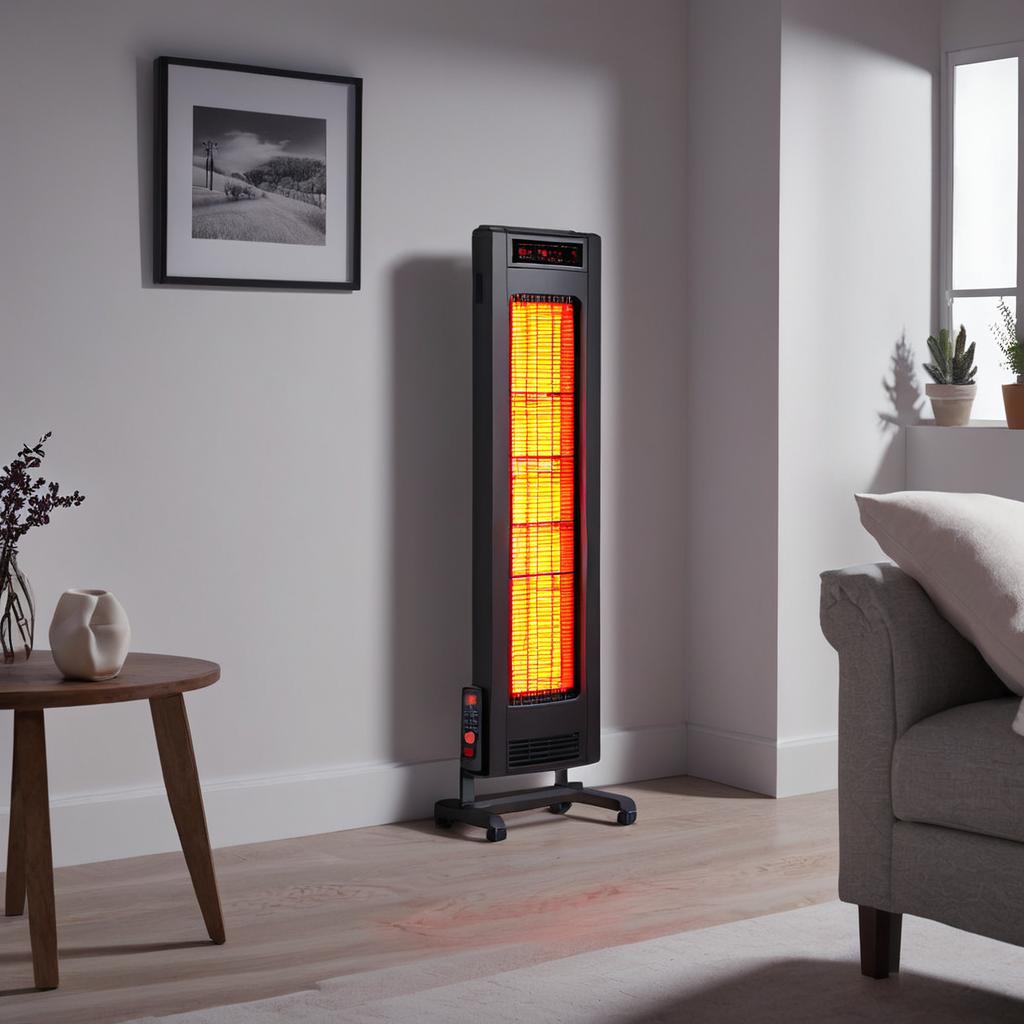
Think of infrared heaters as tiny suns, but indoors. They don't heat the air like your traditional radiator. Instead, they directly heat objects and people within their range. Imagine a heat lamp at a chicken coop, but aimed at your chilly toes. Sounds cozy, doesn't it?
Must Read
This "direct heat" approach is where the potential electricity savings come in. Because they aren't trying to warm up the entire atmosphere (a feat akin to yelling at a cloud and expecting it to rain candy), they can be more efficient.
The Wattage Watt-cha-Need
The amount of electricity any heater uses is measured in watts. The higher the wattage, the more juice it sucks up. Infrared heaters come in various wattages, from small personal heaters (think 500-750 watts) to larger models that can heat a whole room (1500 watts or more). That is important to consider!
Let's compare that to other appliances. A standard microwave might use 1000-1200 watts. A hairdryer? Easily 1500 watts or more. So, an infrared heater isn't necessarily the biggest energy hog in your house. It really depends on the size and power of the heater.
Real-World Scenarios (and a Few Exaggerations)
Let's say you have a 1500-watt infrared heater. If you run it for one hour, it'll use 1.5 kilowatt-hours (kWh) of electricity. To figure out how much that costs, check your electricity bill. It'll show the price per kWh. Let’s pretend it's $0.20 per kWh. That means one hour of running that heater will cost you about $0.30. Not exactly breaking the bank, right?
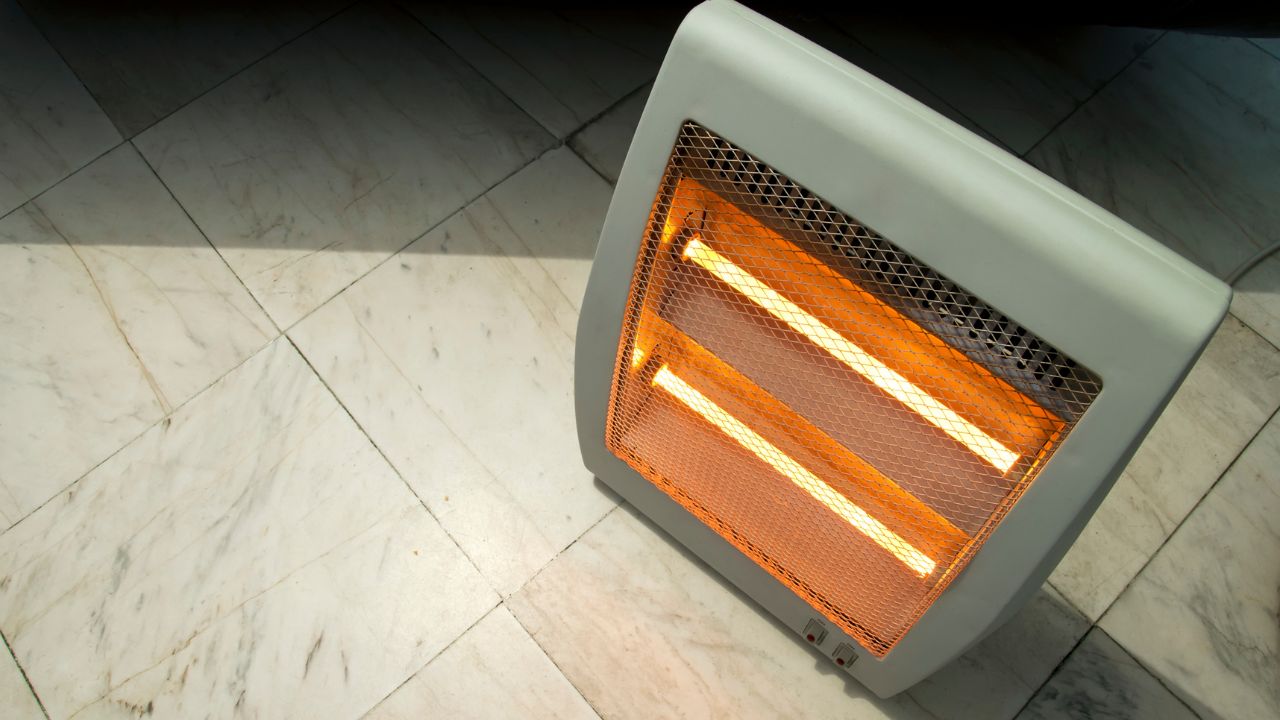
But here's the catch: If you leave it running 24/7, that $0.30 turns into $7.20 per day. And over a month? Suddenly you're looking at a significant chunk of change. It’s essential to only use the heater when needed and turn it off when you leave the room.
Tips for Staying Warm (Without Bankrupting Yourself)
Here are some simple ways to keep those electricity bills in check:

- Use a smaller heater for personal use: Instead of heating the whole room, focus on warming yourself directly. It's like having a personal sunbeam following you around.
- Use a programmable thermostat: Set it to turn on the heater only when you need it, and turn it off automatically when you don't. This will save you some money and reduce your environmental impact.
- Insulate, insulate, insulate: Make sure your windows and doors are properly sealed. It's like wearing a warm jacket – it helps to keep the heat in and the cold out.
- Layer up! Before reaching for the heater, put on a cozy sweater or wrap yourself in a blanket. Fashionable and energy-efficient!
The Verdict?
Infrared heaters can use a lot of electricity if you're not careful. But, like most things in life, moderation is key. Used wisely, they can be a cost-effective way to stay warm and toasty. Just remember to treat them with respect, and keep that goblin in your wallet at bay!
Now go forth and conquer the cold, armed with knowledge and a healthy dose of electricity bill awareness!
